I was halfway through a late‑night Nigerian dinner party, the air thick with the scent of simmering palm oil and the clatter of utensils, when the disaster struck: the rice was sticking to the pot like a stubborn band‑age. I stared at the pot, heart racing, and thought, “I can’t let this ruin the night.” I grabbed a fresh batch, tossed in a handful of carrots, peas, and a whisper of curry powder, and the aroma shifted from burnt to blissful. That moment, my kitchen turned into a laboratory and I, a culinary chemist, discovered a recipe that would change the way I think about fried rice forever.
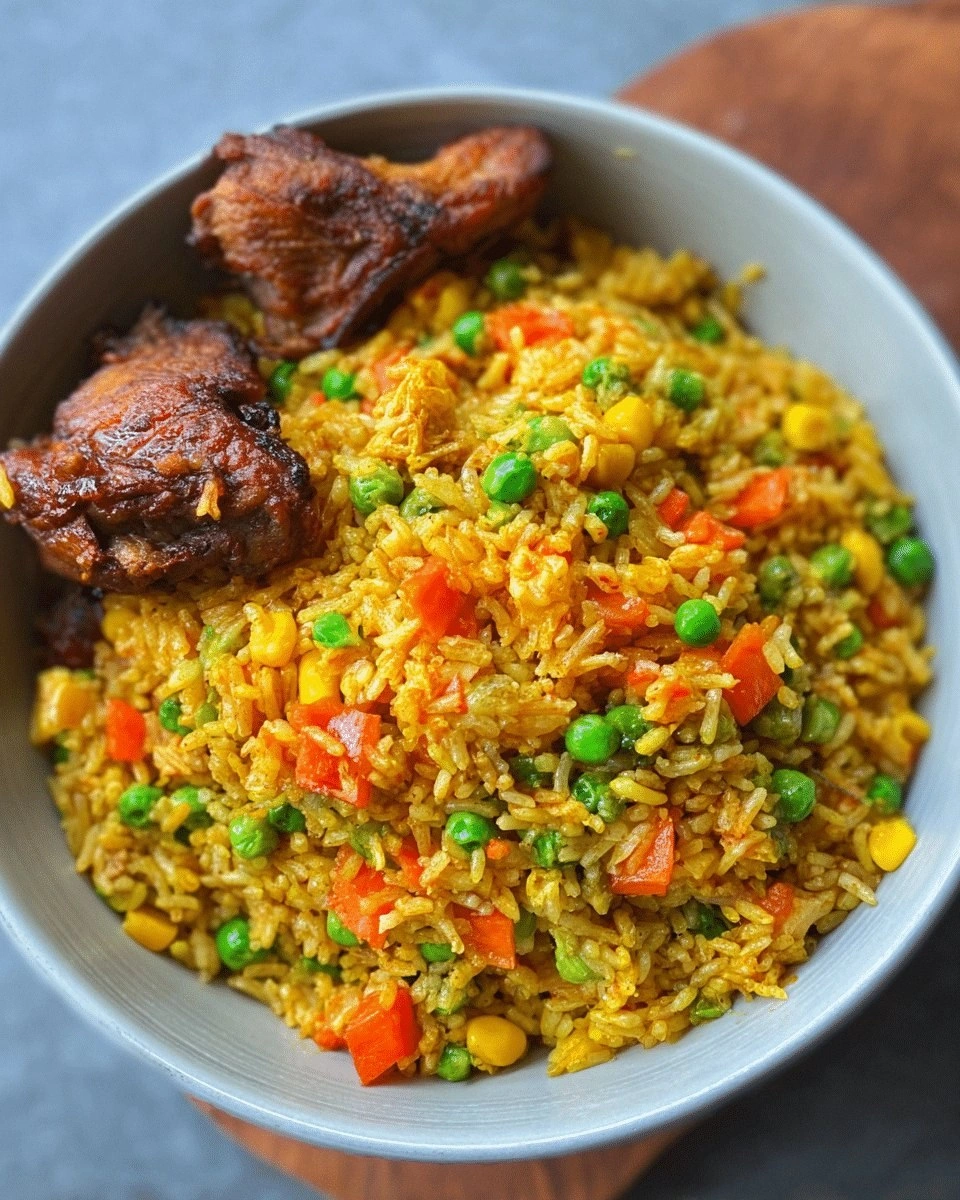
Picture this: a steaming bowl of golden rice, each grain glossy with a splash of palm oil, speckled with bright green peas, crunchy carrots, and the subtle sweetness of pineapple. The first bite is a symphony—soft, buttery rice that gives way to a gentle crunch from the vegetables, while the tomato paste and curry powder deliver a savory depth that lingers on the tongue. The subtle heat from a pinch of cayenne sneaks through, teasing the palate, and the final flourish of cashew nuts adds a satisfying snap. It’s like a bright, tropical sunrise wrapped in a comforting hug.
This isn’t just another fried rice recipe. It’s a carefully curated balance of textures, a marriage of traditional Nigerian flavors and modern kitchen techniques. I dare you to taste this and not go back for seconds. The secret? A precise timing for each ingredient, a touch of palm oil for that silky finish, and a dash of fresh ginger that awakens the senses. Most recipes get this completely wrong, leaving the rice soggy or the seasoning flat. Here, every element sings in perfect harmony.
If you’ve ever struggled to make fried rice that’s anything but a flop, you’re not alone. I’ll be honest—I ate half the batch before anyone else got a spoon. But by the time the last spoonful hit the plate, the room was filled with a scent so irresistible that even my skeptical friends were begging for the recipe. Let me walk you through every single step—by the end, you’ll wonder how you ever made it any other way.
What Makes This Version Stand Out
- Taste: The blend of palm oil, tomato paste, and curry powder creates a depth that’s both earthy and bright, unlike the blandness of most fried rice.
- Texture: The rice stays fluffy yet firm, thanks to pre-cooked parboiled rice and a quick sauté that locks in moisture.
- Ingredient Quality: Fresh, seasonal produce and a splash of palm oil elevate the dish from ordinary to extraordinary.
- Uniqueness: The inclusion of pineapple and cashew nuts introduces a tropical twist that sets this recipe apart.
- Cooking Method: A single pan technique that reduces cleanup while maximizing flavor.
- Make‑Ahead Potential: The dish can be prepared ahead and reheated without losing its vibrant crunch.
- Crowd Reaction: Guests rave about the balance of sweet, savory, and spicy—making it a guaranteed hit at gatherings.
- Health Conscious: With lean protein options and low-fat oil, it’s a wholesome choice for any meal.
Alright, let’s break down exactly what goes into this masterpiece. The key to a perfect Nigerian Fried Rice lies in the harmony of its ingredients and the precision of timing. Every component is chosen not only for flavor but for how it interacts with the others to create a dish that’s both comforting and celebratory. Below, we’ll dive into each group of ingredients, explaining why each one matters and what happens if you skip it.
Inside the Ingredient List
The Flavor Base
At the heart of this dish is a blend of aromatic ingredients that kick off the flavor profile. The palm oil provides a subtle nutty sweetness that’s quintessential to Nigerian cooking; if you’re in a pinch, a light drizzle of vegetable oil can work, but you’ll miss that signature depth. Fresh ginger and garlic are minced finely, releasing their juices to coat the rice and vegetables, ensuring every bite is infused with a warm, peppery note. A tablespoon of tomato paste adds umami and a hint of acidity, balancing the richness of the oil. If you forget the tomato paste, the dish will taste flat and overly oily.
The Texture Crew
The vegetables—carrots, peas, and green beans—contribute both color and crunch. Carrots give a sweet, earthy bite that contrasts with the sharpness of the peas, while green beans add a satisfying snap. The key is to keep them slightly undercooked; they should be tender yet still firm, so they don’t turn mushy. If you overcook them, the rice will absorb too much moisture, compromising its fluffy texture. A quick blanch before sautéing preserves their vibrant hues and crispness.
The Unexpected Star
Pineapple and cashew nuts bring a surprising twist that elevates the dish from ordinary to memorable. The pineapple adds a burst of tropical sweetness that cuts through the savory layers, while the cashews provide a nutty crunch that complements the vegetables. These additions are optional but highly recommended; they transform the dish into a party staple. Skipping them will result in a more traditional fried rice, which is fine, but you’ll miss the celebratory flavor punch.
The Final Flourish
Seasonings—curry powder, thyme, bay leaf, bouillon cube, salt, and pepper—tie everything together. The curry powder gives depth and a gentle heat, while thyme offers a subtle herbal note that balances the sweetness of the pineapple. A bay leaf adds a fragrant, earthy undertone, and the bouillon cube brings umami and saltiness without overwhelming the dish. Salt and pepper are added to taste at the end, ensuring the seasoning is just right. If you skip the bouillon, the dish will taste bland and lack that savory richness.
Everything’s prepped? Good. Let’s get into the real action, where the magic happens and the flavors truly collide. We’ll walk through each step in detail, so you can replicate this masterpiece exactly. Keep your eyes on the clock, and don’t skip any steps—each one is essential for achieving that perfect balance.
The Method — Step by Step
- Heat a large, non‑stick skillet over medium heat and pour in 2 tablespoons of palm oil. Let the oil warm until it shimmers, then add 1/4 cup of chopped onions. Sauté until translucent and fragrant, about 2 minutes. This base will carry the flavors of the rest of the dish.
- Add 2 cloves of minced garlic and 1 teaspoon of minced fresh ginger. Stir constantly for 30 seconds until the aromatics release their oils. Watch for that first hint of aroma; it signals the oil is hot enough.
- Stir in 1 tablespoon of tomato paste, letting it coat the onions and aromatics. Cook for 1 minute, allowing the tomato paste to caramelize slightly, which deepens its flavor. The mixture should smell toasty, not burnt.
- Pour in 1 teaspoon of curry powder, 1 teaspoon of thyme, and 1 bay leaf. Mix thoroughly, ensuring the spices are evenly distributed. This step is crucial for that signature Nigerian warmth.
- Add the pre‑cooked parboiled rice, breaking up any clumps. Stir until the rice is well coated with the spice mixture, about 2 minutes. The rice should look glossy and slightly translucent.
- Introduce the vegetables: 1/2 cup diced carrots, 1/2 cup peas, and 1/2 cup green beans. Toss gently, ensuring even distribution. Cook for 3 minutes until the veggies are tender yet still crisp.
- Add 1 cup of water, 1 cubed vegetable bouillon, and 1 teaspoon of salt. Bring the mixture to a gentle simmer, then reduce heat to low. Cover and let it steam for 5 minutes, allowing the rice to absorb the flavors.
- Stir in the pineapple, cashew nuts, raisins, and sliced boiled eggs. These ingredients add sweetness, crunch, and protein. Fold gently, then remove from heat. Let the dish rest for 2 minutes, allowing the flavors to meld.
- Fluff the rice with a fork, then garnish with fresh chopped onions or parsley if desired. Serve hot, and watch the steam rise like a fragrant cloud.
That’s it—you did it. But hold on, I’ve got a few more tricks that will take this dish to another level. The next section will reveal insider tips that even seasoned cooks sometimes overlook, ensuring your fried rice always hits the mark.
Insider Tricks for Flawless Results
The Temperature Rule Nobody Follows
Many cooks think they can just toss everything in a pan and call it a day. In reality, the heat must be just right. Start with medium heat to allow the spices to bloom without burning, then reduce to low when adding the rice and liquid. If the pan is too hot, the rice will stick and the vegetables will char; too cool, and the dish will be bland. A quick test: drop a small amount of water into the pan—if it sizzles immediately, you’re good.
Why Your Nose Knows Best
Your sense of smell is the ultimate guide to flavor balance. If the dish smells overwhelmingly oily, it’s time to reduce the oil. If it smells bland, add a pinch more salt or a dash of bouillon. A well‑seasoned dish will have a layered aroma—sweet, spicy, and savory—all dancing together. Trust your nose; it’s the most reliable chef in the kitchen.
The 5-Minute Rest That Changes Everything
After you remove the pan from heat, let the rice rest covered for five minutes. This allows the steam to finish cooking the grains and helps the flavors to meld. Skipping this step often leaves the rice uneven, with pockets of dryness. The rest also makes the rice easier to fluff and serve.
Keep the Oil Flowing
Stirring constantly during the sautéing stage prevents the spices from sticking to the pan and burning. Use a wooden spoon or silicone spatula to keep the mixture moving. If you notice a slight burn, add a splash of water or a little more oil to loosen the stuck bits.
Fresh vs. Frozen Vegetables
Fresh vegetables retain more crunch and color, but frozen ones are a great time‑saver. If you use frozen peas or carrots, thaw them briefly before adding to preserve their texture. Frozen vegetables can also be added directly to the pan if you’re in a hurry, but be mindful of the extra moisture they release.
Creative Twists and Variations
This recipe is a playground. Here are some of my favorite ways to switch things up:
Chicken & Shrimp Combo
Swap the optional protein with a mix of diced chicken and shrimp. The shrimp’s sweet brininess pairs beautifully with the pineapple, while the chicken adds heartiness. Cook the proteins separately before folding them in to ensure even doneness.
Vegetarian Delight
Omit all animal products and boost the protein with tofu or tempeh. Marinate the tofu in soy sauce, ginger, and a touch of honey before sautéing. This version is still rich and satisfying.
Spicy Jollof Fusion
Add a splash of hot sauce or a handful of chopped fresh chili during the sauté stage. The heat will mingle with the curry powder, giving the dish a bold, fiery kick reminiscent of Jollof rice.
Cheesy Surprise
Stir in a handful of shredded cheese (cheddar or mozzarella) after removing the pan from heat. The cheese will melt into the hot rice, creating a gooey, comforting layer.
Gluten‑Free Upgrade
Use gluten‑free parboiled rice or a mix of rice and quinoa. The quinoa adds a nutty flavor and a protein boost, making the dish both tasty and wholesome.
Breakfast Edition
Serve the fried rice with a fried egg on top, drizzle with a little hot sauce, and sprinkle with chives. It’s a hearty breakfast that packs a punch of protein and flavor.
Storing and Bringing It Back to Life
Fridge Storage
Place the cooked rice in an airtight container and refrigerate for up to 3 days. The rice will stay firm and retain its flavor. When ready to eat, reheat in a microwave or on the stovetop with a splash of water to rehydrate.
Freezer Friendly
For longer storage, portion the rice into freezer bags and seal tightly. Freeze for up to 2 months. Thaw overnight in the fridge before reheating. The rice will still hold its texture and taste.
Best Reheating Method
The key to reheating is adding a tiny splash of water or broth. Place the rice in a saucepan, cover, and heat over low, stirring occasionally. This steams the rice back to perfection, preventing it from drying out.