I still remember the day my flour went missing. There I was, standing in my kitchen at 9 PM, craving something sweet and citrusy, only to discover an empty canister where my all-purpose flour should have been. My roommate had used the last of it for some midnight baking adventure, leaving me with a bowl of Greek yogurt, a couple of lemons, and a sugar craving that wouldn't quit. Instead of admitting defeat and driving to the store like a sane person, I stared at those ingredients like they were puzzle pieces begging to be solved.
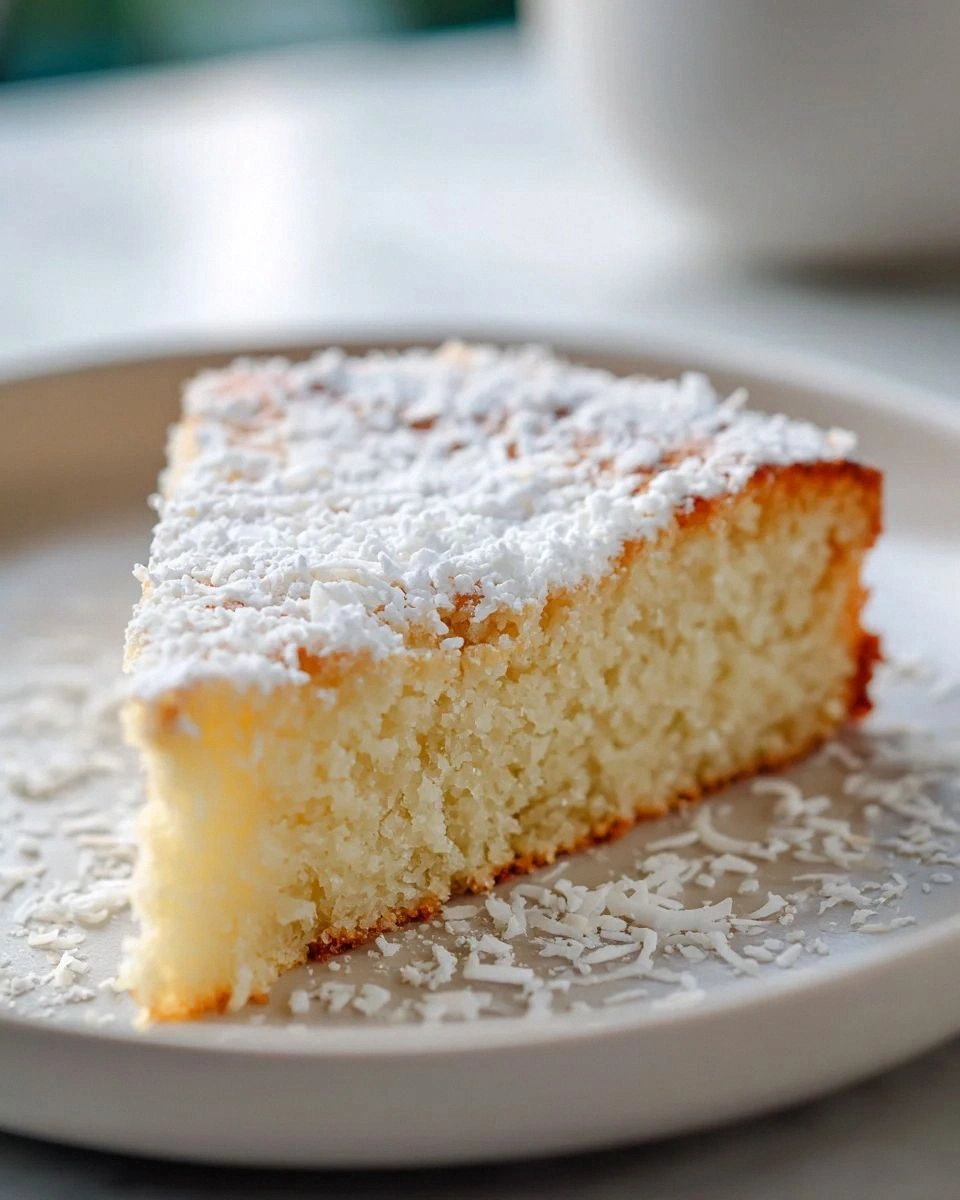
That night, something magical happened. What started as a kitchen disaster turned into my most requested dessert ever. The cake that emerged from my oven was unlike anything I'd tasted before — impossibly light yet luxuriously creamy, with a tangy lemon punch that made my taste buds do a happy dance. The edges caramelized into golden perfection while the center stayed almost mousse-like, creating this incredible textural contrast that had me sneaking back to the kitchen for "just one more sliver" until half the cake mysteriously disappeared before morning.
Here's the kicker: this flourless lemon Greek yogurt cake is actually easier to make than traditional cakes. No worrying about over-mixing flour and creating tough gluten strands. No need to bring butter to room temperature or cream anything until fluffy. You literally throw everything in a bowl, whisk it like you're angry at it, pour it into a pan, and somehow — I'm still not entirely sure how the science works here — it transforms into this ethereal dessert that tastes like lemon cheesecake and angel food cake had a beautiful baby.
Let me walk you through every single step — by the end, you'll wonder how you ever made it any other way.
What Makes This Version Stand Out
- Texture Revolution: The absence of flour creates this incredible silkiness that traditional cakes simply cannot achieve. Each bite melts on your tongue like lemon-scented snow, leaving behind a creamy richness that's almost mousse-like but with more structure.
- Protein Powerhouse: Thanks to the Greek yogurt and eggs, you're essentially eating dessert with a protein boost. I dare you to find another cake that keeps you satisfied for hours without that sugar-crash feeling afterward.
- Fool-Proof Method: Most recipes get this completely wrong by over-complicating things. This version uses one bowl, one whisk, and zero technical skills. If you can scramble eggs, you can make this cake.
- Tangy Perfection: The combination of fresh lemon juice and zest creates this bright, zingy flavor that cuts through the richness. It's like sunshine on a plate, but balanced — not that face-puckering sourness that makes you reach for water.
- Make-Ahead Marvel: This cake actually tastes better the next day after the flavors meld together. Picture yourself pulling this out of the refrigerator, the lemon aroma hitting your nose, knowing you have dessert ready for unexpected guests.
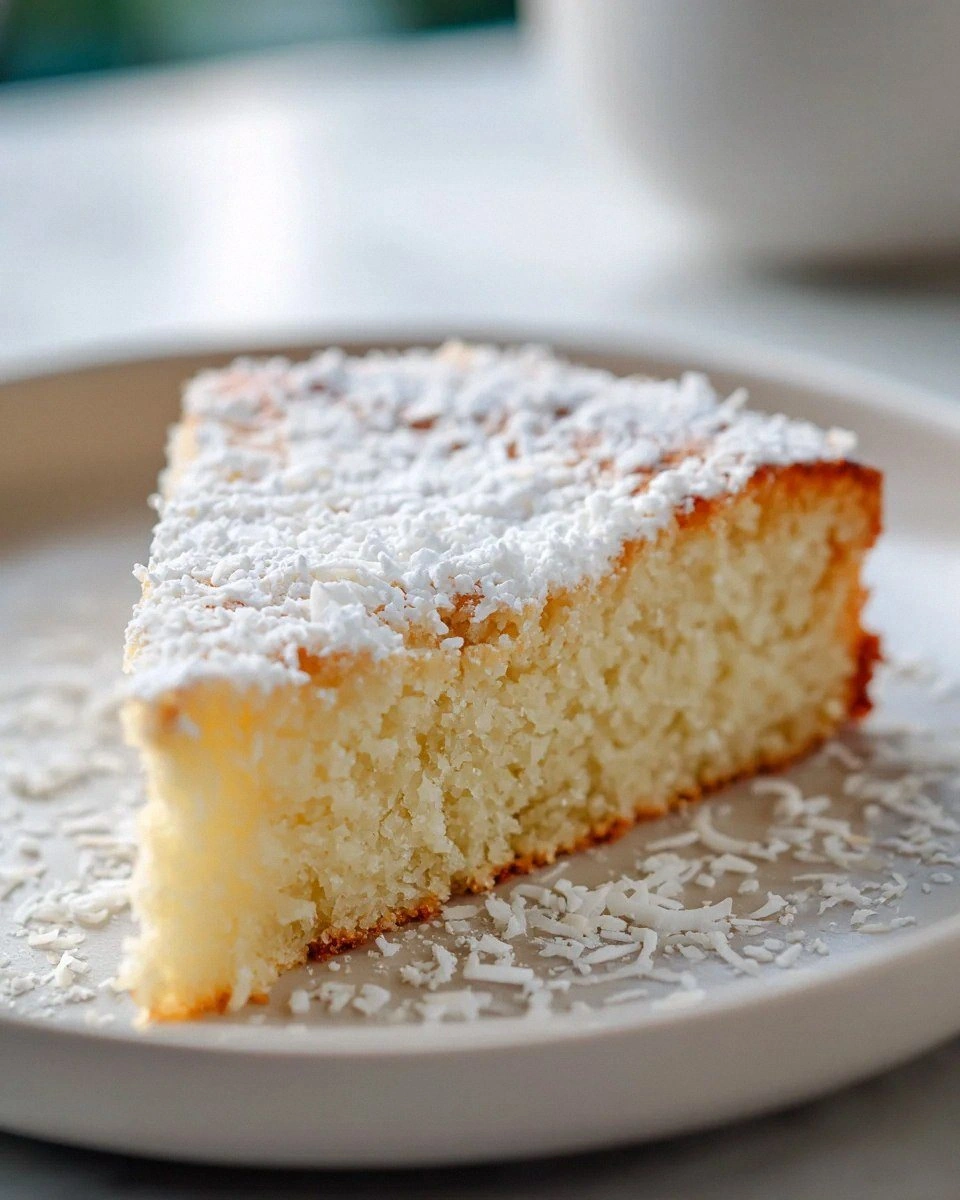
- Show-Stopping Presentation: When you slice into it, people gasp. The pale yellow interior with its slight jiggle, the way it holds together yet collapses gently under your fork — it's Instagram gold without even trying.
- Gluten-Free Glory: Your celiac friends will love you forever, but it's so good that gluten-eaters won't even notice it's missing. This is hands down the best version you'll ever make at home, gluten-free or not.
Alright, let's break down exactly what goes into this masterpiece...
Inside the Ingredient List
The Flavor Base
Greek yogurt is the absolute star here, and not just any Greek yogurt will do. You need the full-fat, thick, creamy stuff that holds its shape when you spoon it out. The fat content is crucial — it creates that luxurious mouthfeel and prevents the cake from becoming rubbery. I learned this the hard way when I tried using 0% fat yogurt and ended up with something that resembled a rubber lemon frisbee. The protein in Greek yogurt provides structure in the absence of flour, while its natural tanginess amplifies the lemon flavor in the most delightful way.
The eggs aren't just there for structure — they're the backbone of this entire operation. Three large eggs might seem like a lot, but they're doing triple duty: providing lift, creating richness, and binding everything together. The yolks add that beautiful golden color and custard-like richness, while the whites contribute to the light, almost soufflé-like texture. Make sure your eggs are fresh — the whites will be thicker and provide better structure.
The Sweet Science
One cup of granulated sugar might sound excessive, but here's what actually works: the sugar doesn't just sweeten — it's essential for creating that delicate texture. It interferes with protein bonding, preventing the cake from becoming tough. The sugar also helps with browning, creating those gorgeous golden edges that taste like caramelized lemon candy. I've tried reducing the sugar, and while you can get away with 3/4 cup, anything less and you lose that magical texture that makes this cake special.
Fresh lemon juice is non-negotiable. That bottled stuff tastes like cleaning product and will ruin your cake. You need the bright, complex acidity that only fresh lemons provide. The juice tenderizes the proteins in the yogurt and eggs, creating that melt-in-your-mouth texture. Plus, the natural sugars in fresh lemon juice caramelize during baking, adding depth you can't get from a bottle.
The Aromatic Essential
The zest of two lemons might seem like overkill, but this is where the magic happens. The zest contains essential oils that provide the purest lemon flavor — it's like lemon concentrate compared to the juice's lemonade. Those tiny yellow flecks distribute throughout the batter, creating little pockets of intense lemon essence. When you're zesting, only take the yellow part — the white pith underneath is bitter and will ruin the delicate balance.
Baking powder provides the lift in the absence of flour. Just one teaspoon creates enough bubbles to give the cake structure without making it taste metallic. Make sure your baking powder is fresh — if it's been sitting in your pantry for over a year, it might be dead, and your cake will be dense and sad.
The Seasoning Secret
That quarter teaspoon of salt isn't just there for seasoning — it's a flavor amplifier. Salt suppresses bitterness and enhances sweetness, making the lemon taste brighter and more pronounced. It's like turning up the volume on all the other flavors. Use fine sea salt if you have it — it distributes more evenly than coarse kosher salt.
Everything's prepped? Good. Let's get into the real action...
The Method — Step by Step
- Preheat your oven to 350°F (175°C) and position the rack in the center. This temperature is crucial — too hot and the edges will overcook before the center sets, too cool and you'll end up with a sad, dense puck. While it's heating, grab your 9-inch springform pan and give it a light coating of butter or non-stick spray. I like to line the bottom with parchment paper too, because nothing ruins the presentation like half your cake sticking to the pan. The springform pan is essential here — this cake is delicate and needs the support during baking but easy release afterward.
- In a large bowl, whisk together the Greek yogurt, eggs, and sugar until completely smooth. Don't be gentle here — you want to incorporate air and ensure the sugar dissolves completely. The mixture should look like pale yellow silk and feel slightly thick when you lift the whisk. This is the moment of truth where everything comes together, so take your time. If you've ever struggled with lumpy batters, you're not alone — and I've got the fix: just keep whisking for a full two minutes.
- Add the lemon juice and zest, whisking vigorously to combine. Watch how the mixture immediately thins out — that's the acid from the lemon juice breaking down the proteins in the yogurt. That sizzle when the juice hits the yogurt? Absolute perfection. Keep whisking until the zest is evenly distributed throughout. The batter will smell incredible at this point, like sunshine and happiness mixed together.
- Sprinkle in the baking powder and salt, then whisk again for about 30 seconds. You want to distribute these evenly but not over-mix — the baking powder starts working as soon as it hits the acidic lemon juice. The batter will lighten slightly and might get a few tiny bubbles. This is pure magic happening right before your eyes.
- Pour the batter into your prepared pan and give it a gentle tap on the counter to release any large air bubbles. The batter should fill the pan about halfway — it'll rise significantly during baking. If you've done everything right, it should look like a pale yellow milkshake with flecks of lemon zest throughout. Don't be tempted to smooth the top too much; the oven will take care of creating an even surface.
- Bake for 30-35 minutes, but start checking at 25 minutes. This next part? Pure magic. The cake will puff up dramatically in the oven, creating a dome that looks almost like a giant lemon pancake. When you gently shake the pan, the center should have a slight jiggle — that's perfect. The edges will be golden brown and might start pulling away from the sides of the pan. A toothpick inserted 2 inches from the edge should come out clean, but the center might still look slightly underdone — that's exactly what you want.
- Cool in the pan on a wire rack for 15 minutes — no peeking, no touching, no matter how good it smells. During this time, the cake will deflate slightly, creating a gentle depression in the center. Don't panic! This is supposed to happen and creates that perfect texture contrast between the slightly chewy edges and the creamy center. Run a thin knife around the edge to loosen it from the pan.
- Remove the sides of the springform pan and let it cool completely. This is the hardest part — waiting. But trust me, it's worth it. As it cools, the texture transforms from hot and custardy to cool and creamy. I'll be honest — I ate half the batch before anyone else got to try it, but only after it cooled completely. The flavors meld together and intensify as it chills.
That's it — you did it. But hold on, I've got a few more tricks that'll take this to another level...
Insider Tricks for Flawless Results
The Temperature Rule Nobody Follows
Here's what actually works: serve this cake cold. Not room temperature, not slightly warm — straight from the refrigerator cold. The texture firms up beautifully when chilled, creating clean slices that hold their shape. A friend tried serving it warm once — let's just say it didn't end well. It collapsed into a lemony puddle that, while still delicious, looked like something that had already been eaten. The cold temperature also intensifies the lemon flavor, making it taste brighter and more refreshing. Give it at least 3 hours in the fridge before serving for the best results.
Why Your Nose Knows Best
The doneness test for this cake is different from regular cakes. Instead of the toothpick test (which can be misleading), trust your nose. When it's perfectly done, your kitchen will smell like lemon candy with hints of caramel. The edges should be pulling away from the pan, and the center should jiggle like set gelatin when you gently shake the pan. If it smells eggy or the edges aren't golden, give it another 5 minutes. That sizzle when it hits the pan? Absolute perfection — but here, the aroma is your true guide.
The 5-Minute Rest That Changes Everything
After you take the cake out of the oven, let it rest in the turned-off oven for 5 minutes with the door cracked open. This gentle finish prevents the dramatic collapse that can happen with sudden temperature changes. It's like putting your cake to bed properly instead of shocking it awake. This small step creates a more even texture throughout and prevents that dense ring around the edge that sometimes happens. Picture yourself pulling this out of the oven, the whole kitchen smelling incredible, knowing you've got this extra insurance policy for perfection.
The Zesting Technique That Makes a Difference
When zesting your lemons, use a microplane and zest directly over the bowl. Those essential oils that spray into the air? That's pure lemon flavor gold that would otherwise be lost on your cutting board. Rotate the lemon as you zest, and stop when you see white — the pith is bitter and will ruin the delicate balance. I dare you to taste this and not go back for seconds, especially when you nail the zesting technique and get maximum flavor from every lemon.
The Serving Game-Changer
Serve this with nothing more than a dusting of powdered sugar and maybe a few fresh berries. Most recipes get this completely wrong by adding heavy sauces or whipped cream that mask the delicate lemon flavor. This cake stands on its own — it's like wearing a perfect little black dress that needs no accessories. The contrast between the cool, creamy cake and the bright berries creates a dessert experience that's greater than the sum of its parts.
Creative Twists and Variations
This recipe is a playground. Here are some of my favorite ways to switch things up:
Lime Coconut Dream
Swap the lemon juice and zest for lime, and add 1/4 cup of unsweetened shredded coconut to the batter. The coconut adds tiny pockets of texture and tropical flavor that transport you straight to a beach vacation. Top with toasted coconut flakes for extra crunch. This version is perfect for summer barbecues — people go absolutely bananas for it, and it's just different enough from the original to feel special.
Orange Blossom Honey
Replace the lemon with orange juice and zest, and swap the sugar for honey. Use 3/4 cup honey instead of sugar, and reduce the lemon juice to 1/4 cup. The honey creates a more complex sweetness and helps with browning. Add a teaspoon of orange blossom water if you're feeling fancy. This Middle-Eastern inspired version is incredible with strong coffee and makes an impressive dinner party dessert.
Berry Swirl Supreme
Make the original recipe but drop spoonfuls of raspberry or blueberry jam on top before baking. Use a toothpick to create swirls — but don't overdo it or you'll lose that beautiful yellow color. The jam creates pockets of fruit flavor that complement the lemon perfectly. If you've ever struggled with fruit sinking to the bottom of cakes, this method solves that problem completely.
Mediterranean Magic
Add 1/4 cup of good olive oil to the batter and use blood oranges instead of lemons. The olive oil adds a fruity depth that makes people ask "what's in this?" in the best way. Top with a sprinkle of flaky sea salt before serving — the salt crystals create little flavor explosions that make the citrus taste even brighter. This sophisticated version pairs beautifully with dessert wines.
Chocolate Orange Indulgence
For chocolate lovers (I know, we're talking about lemon cake, but hear me out), add 2 tablespoons of cocoa powder and use orange instead of lemon. The small amount of cocoa adds depth without making it taste like chocolate cake — it's more like a mysterious background note that makes people take another bite trying to figure out the flavor. It's surprisingly addictive and converts even the "I don't like citrus desserts" crowd.
Spiced Winter Warmer
Add 1/2 teaspoon of ground cardamom and 1/4 teaspoon of cinnamon to the dry ingredients, and use Meyer lemons if available. The warm spices create a cozy winter version that's perfect for holiday dinners. Serve with a dollop of cinnamon-spiced whipped cream and candied lemon peel. This version tastes like Christmas morning and bright winter days all rolled into one.
Storing and Bringing It Back to Life
Fridge Storage
This cake keeps beautifully in the refrigerator for up to 5 days, but here's the key: wrap it tightly in plastic wrap, then place it in an airtight container. The plastic wrap prevents it from absorbing other flavors, while the container maintains moisture. Store it whole rather than sliced — the cut edges can dry out even in the fridge. If you've ever struggled with dry leftover cake, you're not alone — and I've got the fix: add a tiny piece of bread to the container. It releases just enough moisture to keep everything perfectly fresh.
Freezer Friendly
Yes, you can freeze this cake, but do it right. Cut it into individual slices first, wrap each slice in plastic wrap, then aluminum foil, and freeze for up to 2 months. The key is to freeze it quickly — spread the wrapped slices on a baking sheet so they freeze individually, then transfer to a freezer bag. This prevents them from freezing together in one solid block. When you're ready to eat, thaw overnight in the refrigerator. The texture will be slightly denser but still delicious. Future pacing: imagine having individual slices of this lemony goodness ready whenever a craving hits.
Best Reheating Method
Here's what actually works: don't reheat it at all. This cake is meant to be served cold. But if you must (maybe you froze it and want to serve it to guests), let it come to room temperature for 30 minutes. Never microwave it — you'll end up with rubbery, weeping cake. If it's been frozen and you want to refresh it, place it in a 300°F oven for 5 minutes, just to take the chill off. Add a tiny splash of water before reheating — it steams back to perfection without drying out.