I was standing in my kitchen at 6 a.m., half asleep, clutching a half‑empty pumpkin can, when a frantic text from my roommate hit my phone: “Dude, you have to bring something that says fall, now!” I stared at the empty pantry, the clock ticking, and realized I was about to commit the cardinal sin of every breakfast lover—show up empty‑handed. After a frantic raid of the pantry, the only things that survived the night were a tub of non‑fat Greek yogurt, a bottle of canola oil, and a jar of honey that had been waiting for its moment in the sun. I thought, “What if I could turn these humble leftovers into a loaf that smells like a sweater‑weather hug?” That was the spark that ignited the creation of this Moist Greek Yogurt Pumpkin Bread, a loaf so tender it practically melts on your tongue.
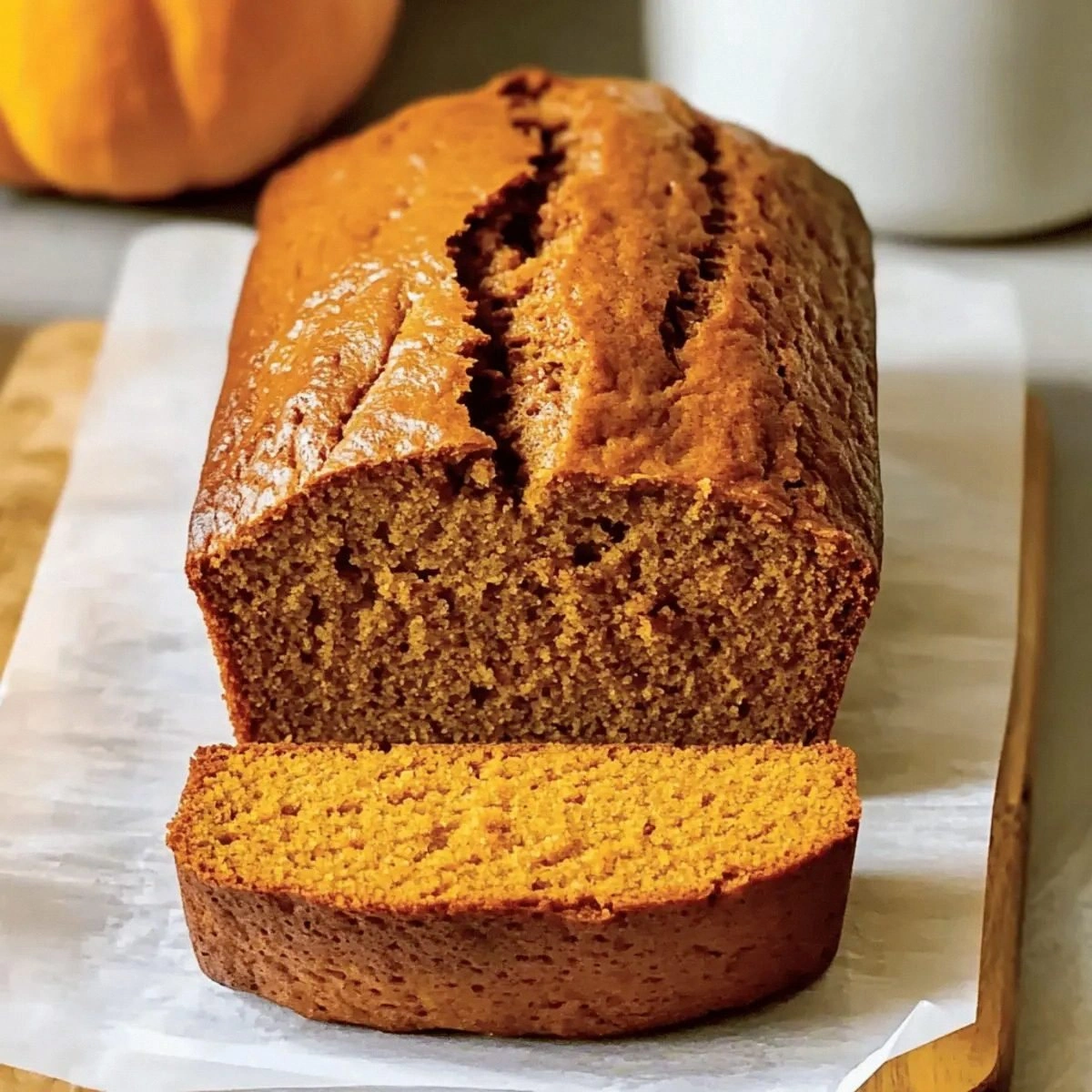
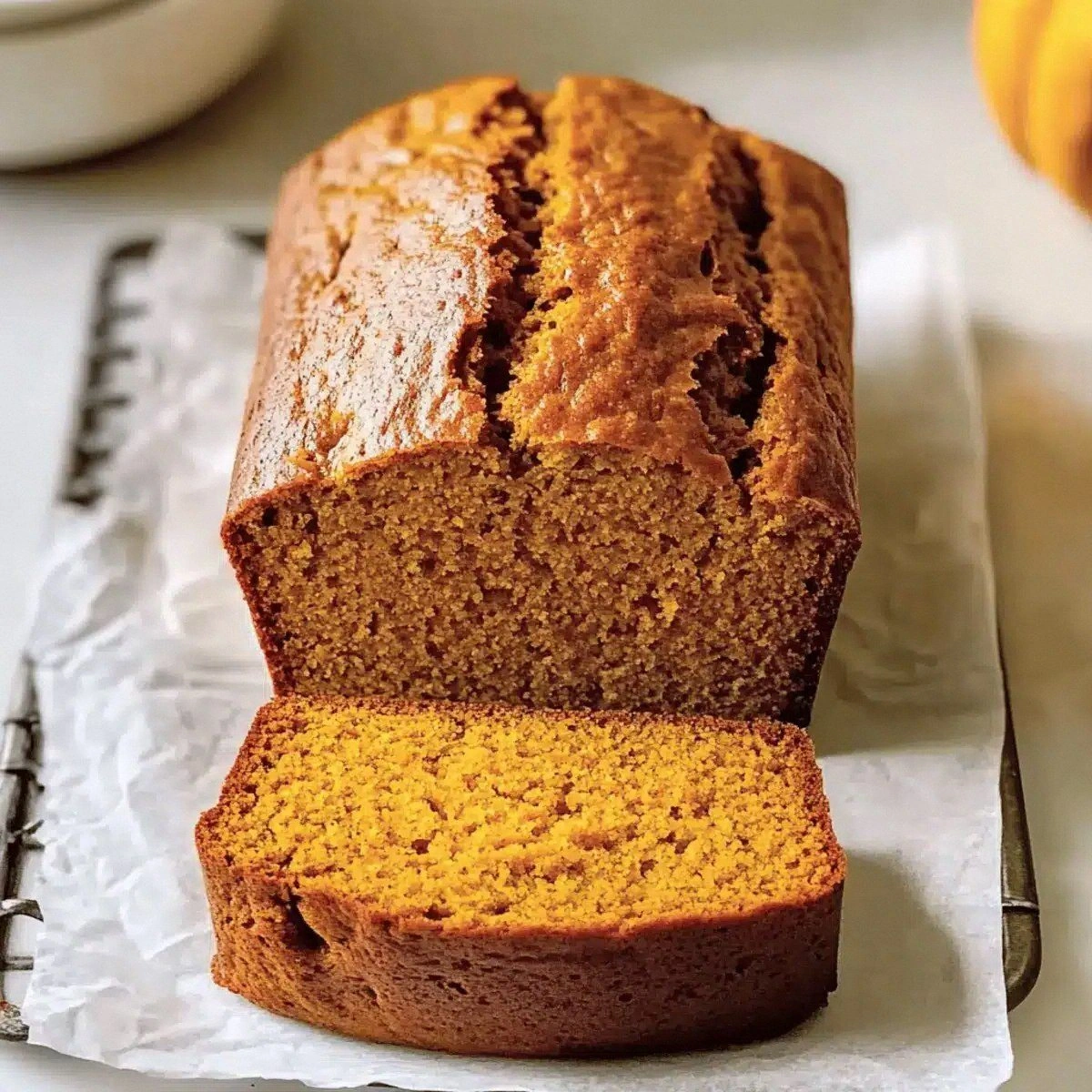
Picture this: the oven door swings open, a warm golden glow spilling onto the countertop, and the air is instantly saturated with the sweet, spicy perfume of pumpkin, cinnamon, and nutmeg. The crust, just a whisper of caramelized sugar, cracks ever so slightly as you pull the loaf out, revealing a crumb that’s as light as a cloud yet as moist as a fresh‑squeezed yogurt smoothie. The first bite is a symphony—crunchy on the outside, buttery soft inside, with a subtle tang from the Greek yogurt that cuts through the sweetness like a cool breeze on a crisp morning. It’s the kind of breakfast that makes you want to linger over a mug of coffee, listening to the rustle of fallen leaves outside your window.
Most pumpkin breads I’ve tried either collapse into a soggy mess or turn into a dry, crumbly brick that would make even a seasoned baker wince. I’ve been there, I’ve tasted that, and I’m here to tell you there’s a better way. The secret lies in the marriage of Greek yogurt and pumpkin puree, a combo that brings protein, moisture, and a gentle acidity that balances the honey’s sweetness. Add a splash of canola oil for that buttery sheen, and you’ve got a loaf that’s practically begging for a second slice. I dare you to taste this and not go back for seconds.
But wait—there’s a twist you won’t see coming. Instead of the usual butter or oil‑heavy batter, I’m using a modest amount of canola oil and letting the yogurt do the heavy lifting. The result? A loaf that’s not only moist but also surprisingly light, with a crumb that holds together without being gummy. I’ll be honest — I ate half the batch before anyone else got a chance to try it, and that’s a testament to how addictive this bread truly is. Let me walk you through every single step — by the end, you’ll wonder how you ever made it any other way.
What Makes This Version Stand Out
- Moisture Mastery: The Greek yogurt injects a creamy moisture that no oil or butter can match, giving each bite a tender, almost melt‑in‑your‑mouth feel.
- Flavor Depth: A balanced blend of honey, pumpkin, and warm spices creates a layered taste that evolves from the first bite to the last crumb.
- Protein Boost: Non‑fat Greek yogurt adds a protein punch without the heaviness, making this loaf a smarter choice for breakfast or a post‑workout snack.
- Health‑Conscious: Using white whole wheat flour and a modest amount of canola oil keeps the loaf lighter, while still delivering that comforting, home‑baked feel.
- Simple Technique: No fancy mixers or special pans—just a basic loaf pan and a whisk, perfect for even the most timid home baker.
- Make‑Ahead Magic: This bread freezes beautifully, so you can bake a batch on a Sunday and have cozy fall mornings all week long.
Inside the Ingredient List
The Flavor Base
Pumpkin puree is the heart of this loaf, delivering that unmistakable autumnal sweetness and a velvety texture that pairs perfectly with the tangy Greek yogurt. If you’re using canned pumpkin, opt for the 100 % pure kind—no added sugars or spices, because we want the flavor to stay true to the season. Skipping the pumpkin? You’ll end up with a bland, texture‑less bread that feels more like a plain muffin than a celebration of fall. A great swap is roasted butternut squash puree; it adds a deeper, caramelized note while keeping the moisture intact.
Greek yogurt, especially the non‑fat variety, brings a subtle acidity that brightens the sweet pumpkin and honey, preventing the loaf from becoming cloyingly sweet. It also contributes protein, making this bread a more balanced option for a hearty breakfast. If you’re dairy‑free, a thick coconut yogurt works, but expect a faint coconut flavor to sneak in.
The Texture Crew
Canola oil is the unsung hero here; its neutral flavor lets the pumpkin and spices shine while ensuring the crumb stays moist. Unlike butter, it won’t create a heavy, dense texture, and it blends seamlessly with the yogurt. If you’re looking for a richer mouthfeel, you can replace half of the oil with melted coconut oil, but keep in mind the subtle coconut aroma that will emerge.
Honey does more than sweeten; it adds a glossy sheen to the crust and helps the loaf brown evenly. The natural sugars in honey caramelize during baking, giving the top a slightly crisp edge that shatters like thin ice when you bite into it. In a pinch, maple syrup can be swapped in, though the flavor will shift toward a deeper, woodsy sweetness.
The Unexpected Star
White whole wheat flour may sound like a paradox, but it’s the perfect compromise between the hearty nutrition of whole wheat and the lightness of all‑purpose flour. It adds a gentle nuttiness without the gritty texture that sometimes sneaks into whole‑grain breads. If you can’t find white whole wheat, a 50/50 blend of all‑purpose and whole wheat flour will still deliver a tender crumb while upping the fiber content.
The Final Flourish
The spice blend—cinnamon, nutmeg, and a pinch of cloves or allspice—creates that signature fall aroma that makes your kitchen feel like a cozy cabin. Cinnamon is the front‑line flavor, while nutmeg adds a warm, earthy undertone, and the cloves provide a subtle bite that keeps the palate interested. If you’re daring, a dash of ginger powder can be introduced for a zingy surprise. Salt, though often overlooked, is crucial; it amplifies every other flavor and prevents the sweetness from becoming one‑dimensional.
Everything’s prepped? Good. Let’s get into the real action…
The Method — Step by Step
Preheat your oven to 350°F (175°C) and grease a 9×5‑inch loaf pan with a light coat of canola oil or line it with parchment paper. While the oven warms, take a moment to inhale the sweet scent of pumpkin that will soon fill the kitchen; this is the first cue that you’re on the right track. Place the pan on the middle rack so the heat circulates evenly, ensuring a uniform rise.
Kitchen Hack: If you’re short on parchment, lightly dust the greased pan with flour and tap out the excess; this creates a non‑stick surface without waste.In a large mixing bowl, whisk together the canola oil and honey until the mixture becomes glossy and slightly thickened, about 30 seconds. This emulsification step is crucial because it traps air bubbles that will later expand, giving the bread a lighter crumb. Add the egg and whisk until fully incorporated; the egg acts as a binder, holding the batter together during the rise.
Now, fold in the Greek yogurt, pumpkin puree, and vanilla extract. Watch the batter turn a deep amber hue as the pumpkin pigments mingle with the yogurt’s creamy white. This is the moment of truth—the batter should be smooth, with no visible lumps. If you spot any, give it a quick hand‑mix; a few minutes of effort now prevents pockets of dry flour later.
In a separate bowl, combine the white whole wheat flour, baking soda, cinnamon, nutmeg, cloves (or allspice), and kosher salt. Whisk these dry ingredients together for about 15 seconds; this aerates the flour and distributes the leavening agents evenly. Watch Out: Over‑mixing the dry mix can develop gluten, leading to a tougher crumb, so keep it brief.
Watch Out: Adding the flour too quickly can cause clumps; sift the flour into the wet mixture in two batches for a silky batter.Gently fold the dry mixture into the wet batter using a rubber spatula. Start from the center, turning the bowl over and over, until just combined. The batter will look slightly thick and a little lumpy—that’s perfect. Over‑stirring at this stage can deflate the air you just trapped, resulting in a dense loaf.
Kitchen Hack: Use a large metal spoon for folding; the weight helps incorporate the flour without over‑mixing.Pour the batter into the prepared loaf pan, smoothing the top with the back of a spoon. Tap the pan lightly on the counter three times to release any trapped air bubbles; you’ll hear a soft “plop‑plop‑plop” that signals a uniform batter.
Slide the pan into the preheated oven and bake for 30‑35 minutes. About 25 minutes in, rotate the pan 180 degrees to ensure even browning. The loaf is done when a toothpick inserted into the center comes out clean, and the top has turned a deep amber with a subtle crackle along the edges. Trust your nose too—when the kitchen smells like a bakery on a crisp morning, you’re golden.
Fun Fact: Baking soda reacts with the acidity in yogurt and pumpkin, creating carbon dioxide bubbles that lift the batter without the need for yeast.Allow the bread to cool in the pan for 10 minutes, then transfer it to a wire rack. This short rest lets the crumb set, preventing it from crumbling when you slice. While it cools, take a moment to admire the glossy crust and the faint steam rising—this is the payoff for all that patience.
Slice, serve, and watch as the first bite melts in your mouth, releasing layers of pumpkin, honey, and a whisper of spice. I dare you to pair it with a dollop of extra Greek yogurt and a drizzle of honey; the contrast of cool tangy yogurt against the warm loaf is pure magic. That’s it — you did it. But hold on, I’ve got a few more tricks that’ll take this to another level...
Insider Tricks for Flawless Results
The Temperature Rule Nobody Follows
Never bake a pumpkin loaf at a temperature higher than 350°F. Higher heat may give you a quick rise, but it also dries out the interior, leaving you with a crust that’s over‑browned while the center stays gummy. Keep the oven at a steady 350°F and let the chemistry of the yogurt and baking soda do the slow, steady lift. I once cranked the oven to 375°F in a rush; the result was a hard, rubbery loaf that could have doubled as a doorstop.
Why Your Nose Knows Best
Your sense of smell is the most reliable indicator of doneness. Around the 25‑minute mark, start sniffing the kitchen. When the aroma shifts from raw pumpkin to a sweet, caramelized perfume, you’re close. If you rely solely on the timer, you might over‑bake and lose that coveted moist crumb. Trust the nose, not the clock.
The 5‑Minute Rest That Changes Everything
After removing the loaf from the oven, let it rest in the pan for exactly five minutes before turning it out. This short pause allows the steam trapped inside to redistribute, finishing the cooking process gently. Skipping this step results in a crumb that collapses when sliced, turning your beautiful loaf into a sad, flat pancake. I’ve seen beginners pull the bread out immediately, only to watch the middle sink like a deflated balloon.
Flour Power: Sifting Secrets
Sift the white whole wheat flour with the baking soda and spices before mixing. This aerates the flour, prevents clumps, and ensures the leavening agent is evenly dispersed. A well‑sifted flour blend yields a lighter crumb and eliminates those occasional dense pockets that can appear when the flour is packed too tightly.
The Honey‑Oil Emulsion Trick
Whisk the honey and oil together until they become glossy before adding the egg. This creates a stable emulsion that holds moisture longer, preventing the loaf from drying out during the cooling phase. If you skip this step, the honey can separate, leaving you with a dry top and a gummy interior.
Creative Twists and Variations
This recipe is a playground. Here are some of my favorite ways to switch things up:
Maple‑Pecan Delight
Swap the honey for pure maple syrup and fold in ½ cup toasted pecans. The maple adds a deep, caramel‑like sweetness while the pecans contribute a satisfying crunch that contrasts the soft crumb. Perfect for those who love a nutty finish.
Chocolate Swirl Surprise
Add ¼ cup dark cocoa powder to the dry ingredients and swirl in ¼ cup melted dark chocolate after folding in the flour. The bitter chocolate ribbons cut through the sweet pumpkin, creating a sophisticated flavor duo that’s ideal for brunches.
Spiced Apple Fusion
Replace half of the pumpkin puree with unsweetened applesauce and increase the cinnamon to 1½ teaspoons. The apple adds a fresh, fruity note and extra moisture, while the extra cinnamon amplifies the autumn vibe.
Savory Herb Version
Omit the honey and spices, add 1 tablespoon fresh rosemary, ½ teaspoon garlic powder, and a handful of grated Parmesan. This turns the loaf into a savory side perfect for Thanksgiving leftovers or a hearty sandwich base.
Gluten‑Free Adaptation
Swap the white whole wheat flour for a 1‑to‑1 gluten‑free flour blend and add 1 tablespoon xanthan gum. The texture remains tender, and the loaf still rises beautifully thanks to the yogurt‑baking soda reaction.
Storing and Bringing It Back to Life
Fridge Storage
Wrap the cooled loaf tightly in plastic wrap or store it in an airtight container; it will stay fresh for up to five days. The yogurt’s natural acidity helps preserve moisture, so you won’t notice any staleness if you slice it within that window.
Freezer Friendly
Slice the bread before freezing and place the slices in a zip‑top freezer bag, separating layers with parchment. The loaf freezes solid for up to three months. When you’re ready to enjoy, pop a slice into the toaster or microwave; add a tiny splash of water before microwaving for a steam‑revived crumb.
Best Reheating Method
To reheat a whole slice, preheat a skillet over medium heat, add a few drops of water, and cover with a lid for 2‑3 minutes. The steam created by the water revives the moisture, while the skillet gives the edges a gentle crisp. This method beats the microwave’s soggy results every time.