I was in the middle of a Tuesday night that felt like a culinary apocalypse—my pantry was half empty, the kids were demanding something that tasted like a hug, and my fridge only had a sad, wilted head of lettuce staring back at me. I grabbed the chicken, a few jars, and a daring idea: what if I could turn those briny pepperoncini into the star of a creamy skillet that would make even the most stubborn dinner‑skeptic swoon? I tossed the chicken into the pan, and the moment the butter hit the heat, a sizzle erupted that sounded like applause at a Broadway opening. The kitchen filled with a buttery, garlicky perfume that made my stomach do a little dance.
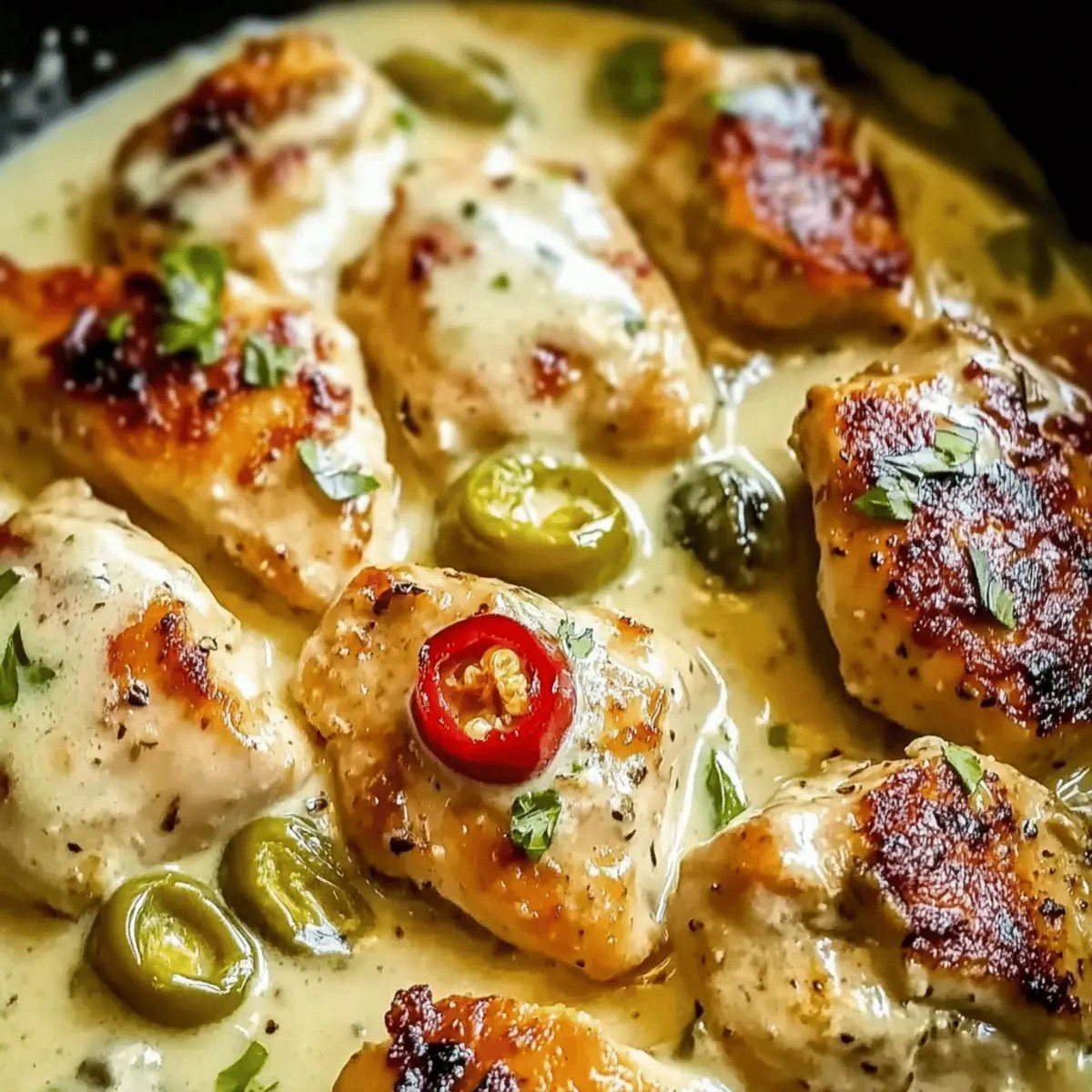
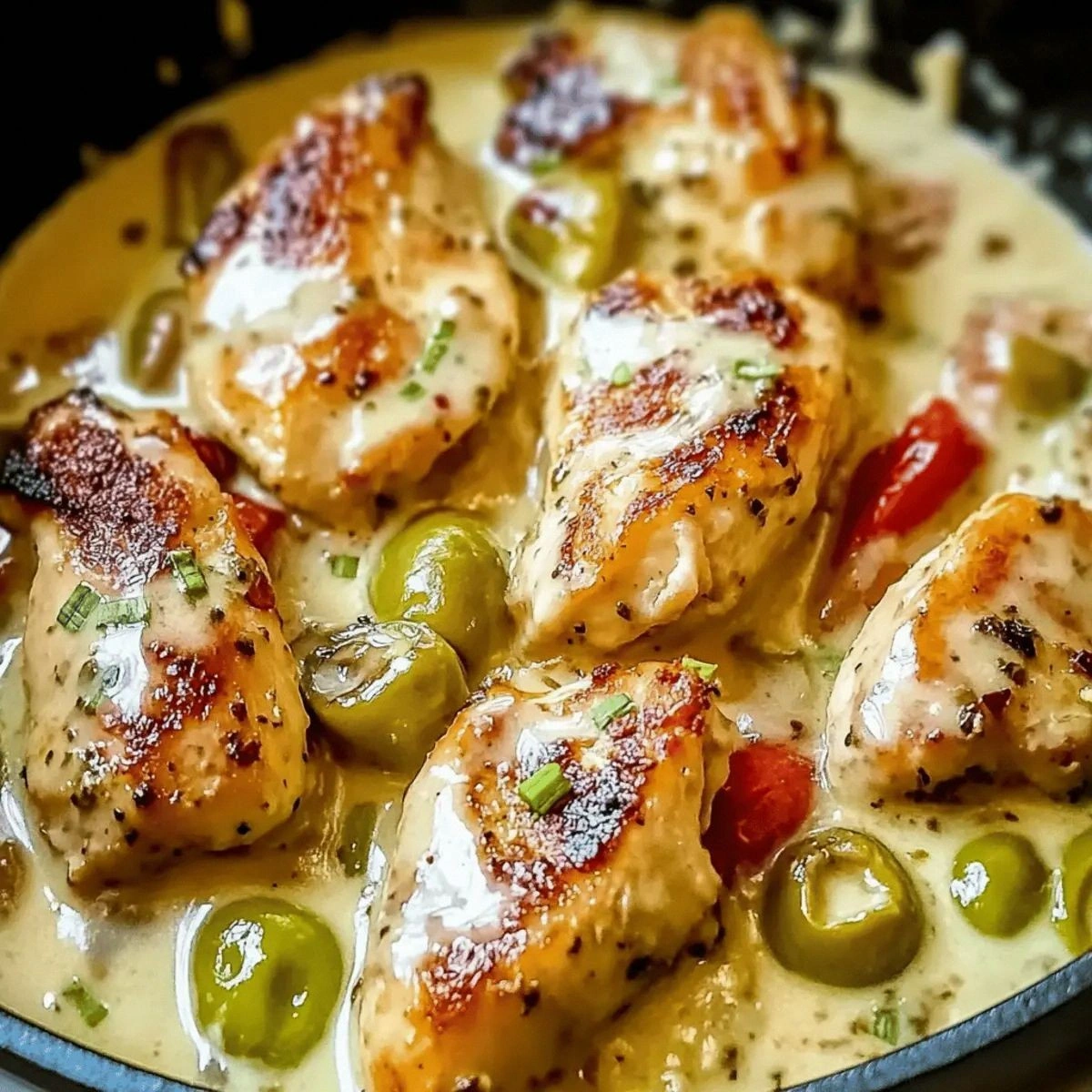
Picture this: the chicken, browned to a golden‑brown that could rival a sunrise, bathed in a sauce that’s as smooth as a silk scarf and as tangy as a summer garden party. The pepperoncini bring a subtle heat that sneaks up on you, while the roasted red pepper adds a smoky sweetness, and the heavy cream ties it all together in a velvety embrace. When you take that first forkful, the sauce clings to the meat like a lover that just won’t let go, and the Parmesan melts into little islands of umami bliss. It’s the kind of dish that makes you want to stare at the skillet, just to admire the glossy, caramel‑kissed surface.
Most recipes for chicken and pepperoncini either drown the meat in a watery broth or overload it with cheese until it feels like a pizza casserole. This version, however, respects each component, letting the butter and garlic create a foundation, the stock and cream build a luxurious body, and the pepperoncini provide that perfect zing without overwhelming the palate. I dare you to taste this and not go back for seconds—because once you’ve experienced this balance, you’ll understand why this is hands down the best version you’ll ever make at home.
I’m about to spill the secret that most cooks miss: a quick deglaze with chicken stock right after browning the chicken, followed by a splash of heavy cream that turns the pan into a glossy, aromatic masterpiece. This isn’t just a recipe; it’s a confidence boost for anyone who’s ever stared at a skillet and thought, “I wish I knew what to do next.” Let me walk you through every single step — by the end, you’ll wonder how you ever made it any other way.
What Makes This Version Stand Out
- Flavor Explosion: The combination of pepperoncini’s briny snap with the sweet depth of roasted red pepper creates a taste that dances on the tongue like a well‑choreographed flash mob.
- Creamy Texture: Heavy cream and butter fuse into a sauce that coats the chicken like velvet, ensuring every bite is luxuriously smooth.
- One‑Pan Simplicity: No pots, no pans, no mess—just a single skillet that goes from stovetop to table, saving you time and dishes.
- Unexpected Brightness: The pepperoncini adds a tangy pop that most chicken dishes lack, keeping the palate awake and eager for the next spoonful.
- Crowd‑Pleaser: Even the pickiest eaters love the creamy sauce, while the subtle heat satisfies those who crave a little kick.
- Ingredient Quality: Using real butter and fresh garlic makes a world of difference compared to shortcuts that leave the sauce flat.
- Make‑Ahead Friendly: The skillet reheats beautifully, and the flavors meld even more after a night in the fridge.
- Season‑Proof: This dish shines any time of year—perfect for chilly evenings or a quick summer supper.
Inside the Ingredient List
The Flavor Base
Butter is the unsung hero here. Its rich, nutty notes provide a buttery foundation that carries the garlic and onion into the sauce without ever feeling greasy. If you’re looking for a dairy‑free twist, try a high‑smoke‑point oil like avocado oil, but know you’ll lose a touch of that classic depth. Sea salt isn’t just seasoning; it amplifies the natural flavors of the chicken and peppers, turning a simple sauce into something restaurant‑worthy.
White onion, when sautéed until translucent, adds a subtle sweetness that balances the pepperoncini’s brine. Slice it thinly so it melts into the sauce, and don’t be tempted to brown it too much—you want that gentle aroma, not a caramelized crunch. Garlic, minced finely, releases allicin instantly, creating a fragrant base that makes the whole kitchen feel alive.
The Texture Crew
Chicken, preferably boneless, skinless thighs, brings moisture and flavor that breast meat sometimes lacks. If you prefer breast, pound it to an even thickness to ensure uniform cooking. The chicken stock is the liquid gold that deglazes the pan, lifting every browned morsel and infusing the sauce with savory depth. Skipping the stock? You’ll end up with a thin, flavor‑poor sauce that clings like cheap glue.
Heavy cream is the silk thread that ties everything together. It thickens the sauce without curdling, creating that glossy finish. If you’re watching calories, you can substitute half‑and‑half, but the sauce will lose some of its luxurious body. Parmesan cheese, grated fresh, adds a nutty saltiness that elevates the dish from comfort food to a culinary showcase.
The Unexpected Star
Roasted red pepper brings a smoky sweetness that contrasts beautifully with the pepperoncini’s tang. You can buy them jarred, but I swear by roasting fresh peppers yourself—char them under a broiler, peel, and blend. The effort pays off with a deeper, more authentic flavor that store‑bought jars can’t replicate. If you’re short on time, a high‑quality jar works fine; just drain excess liquid.
Italian seasoning, a blend of oregano, basil, thyme, and rosemary, injects herbaceous notes that round out the sauce. For a fresher punch, toss in a handful of chopped fresh basil right before serving. The herb blend is the secret handshake that tells your taste buds, “We’re serious about flavor.”
The Final Flourish
Pepperoncini peppers, sliced thin, are the bright, briny spark that keeps the sauce from feeling one‑dimensional. Their subtle heat is a gentle reminder that this dish isn’t just comfort; it’s a flavor adventure. If you love heat, add a pinch of red‑pepper flakes; if you prefer milder, rinse the peppers briefly to dial back the brine.
Everything's prepped? Good. Let’s get into the real action…
The Method — Step by Step
Heat a large, heavy‑bottomed skillet over medium‑high heat and melt the butter. Once the butter foams, add the chicken pieces in a single layer, making sure they’re not touching. Let them sear undisturbed for about 3‑4 minutes; you’ll hear a satisfying sizzle that signals a perfect crust forming. Flip the chicken and brown the other side for another 3 minutes, then remove the pieces to a plate and set aside.
Kitchen Hack: Pat the chicken dry with paper towels before seasoning; excess moisture prevents browning and leads to soggy edges.In the same skillet, add the diced white onion. Sauté for 2‑3 minutes until the edges turn translucent and the aroma becomes sweet. Add the minced garlic and cook for an additional 30 seconds—watch closely, because garlic burns faster than you think and can turn bitter.
Now comes the game‑changer: sprinkle the sea salt, ground pepper, and Italian seasoning over the onions. Stir to coat, then pour in the chicken stock, scraping the browned bits from the bottom of the pan. Those caramelized morsels are flavor fireworks; don’t skip the deglaze.
Reduce the heat to medium and stir in the roasted red pepper, pepperoncini slices, and the heavy cream. As the cream bubbles, you’ll notice the sauce thickening—this is the moment of truth. Let it simmer gently for 5 minutes, allowing the flavors to meld and the sauce to become glossy.
Watch Out: If the heat is too high, the cream can separate, leaving a curdled mess. Keep the flame moderate and stir frequently.Return the browned chicken to the skillet, nestling each piece into the sauce. Spoon some of the creamy mixture over the top, then cover the pan with a lid and let it simmer for another 8‑10 minutes. The chicken will finish cooking through, and the sauce will thicken further, clinging to each bite like a warm blanket.
Just before finishing, grate the Parmesan cheese directly into the skillet. Stir until it melts completely, creating little pockets of cheesy goodness that melt in your mouth. Taste and adjust seasoning with a pinch more sea salt if needed—remember, the pepperoncini already bring a salty bite.
Turn off the heat and let the skillet rest for 2 minutes. This short rest allows the sauce to settle and the flavors to harmonize. While it rests, the steam will keep the chicken tender, and the sauce will achieve that perfect, glossy sheen.
Serve the skillet straight from the pan, garnished with a sprinkle of fresh basil or a drizzle of extra virgin olive oil if you like. Pair it with crusty bread, rice, or a simple green salad, and watch as your guests dive in without hesitation. And now the fun part—watch them go back for seconds, because you’ve just created a dinner that feels like a warm hug.
That's it — you did it. But hold on, I've got a few more tricks that'll take this to another level...
Insider Tricks for Flawless Results
The Temperature Rule Nobody Follows
Start with a hot pan. A properly heated skillet creates a Maillard reaction that locks in juices and gives the chicken that irresistible caramel crust. If the pan isn’t hot enough, the chicken will release water and steam instead of sear. I once tried a “low‑and‑slow” approach and ended up with soggy pieces that looked like they’d been boiled. Trust the heat, and the flavor will thank you.
Why Your Nose Knows Best
Your sense of smell is the ultimate doneness gauge. When the onions turn translucent and the garlic releases a sweet, nutty perfume, you’re ready for the next step. If you ever feel uncertain, take a quick sniff—if you detect a hint of burnt butter, lower the heat immediately. Your nose can prevent a ruined sauce faster than any timer.
The 5‑Minute Rest That Changes Everything
After the chicken finishes cooking, let it rest in the sauce for five minutes, covered. This short pause lets the muscle fibers relax, resulting in juicier meat. It also allows the sauce to thicken naturally without having to rush with a cornstarch slurry, preserving that silky texture.
Pepperoncini Prep Perfection
Rinse the pepperoncini briefly if you prefer a milder tang, or keep them whole for maximum brine impact. Slice them thinly so they integrate seamlessly into the sauce; thick chunks can dominate the bite. A friend once tossed whole pepperoncini into the skillet and ended up with a surprising crunch that threw off the sauce’s smoothness.
Cheese Timing Mastery
Add Parmesan at the very end of cooking, off the heat. This prevents the cheese from becoming grainy and ensures it melts into the sauce like melted butter on warm toast. If you add it too early, the protein in the cheese can coagulate, giving the sauce a gritty texture.
Creative Twists and Variations
This recipe is a playground. Here are some of my favorite ways to switch things up:
Spicy Sriracha Swirl
Add a tablespoon of sriracha to the cream mixture for a bold, Asian‑inspired heat. The sweet‑spicy combo pairs wonderfully with a side of jasmine rice and a sprinkle of toasted sesame seeds.
Mushroom Medley
Sauté sliced cremini or shiitake mushrooms with the onions. The earthy umami deepens the sauce, making it a perfect match for a rustic polenta base.
Herb‑Fresh Finale
Swap the Italian seasoning for a fresh herb blend of thyme, rosemary, and sage. The aromatic lift adds a forest‑floor vibe that’s perfect for autumn evenings.
Cheesy Overload
Stir in a handful of shredded mozzarella along with the Parmesan for a gooey, stretchy finish. This version is a hit with kids who love that melty cheese pull.
Lemon‑Zest Brightness
Finish the dish with a teaspoon of freshly grated lemon zest just before serving. The citrus spark cuts through the richness, delivering a balanced, palate‑cleansing finish.
Storing and Bringing It Back to Life
Fridge Storage
Allow the skillet to cool to room temperature, then transfer to an airtight container. It will keep for up to 4 days. Reheat gently on the stovetop over low heat, adding a splash of chicken stock or water to revive the sauce’s silkiness.
Freezer Friendly
Portion the cooked chicken and sauce into freezer‑safe bags or containers. Freeze for up to 3 months. Thaw overnight in the fridge, then reheat in a skillet, stirring in a tablespoon of cream to restore the glossy texture.
Best Reheating Method
The secret to perfect reheating is low, slow heat. Place the skillet (or a saucepan) over medium‑low, add a teaspoon of water or stock, and stir continuously. This gentle steam brings the sauce back to life without separating, and the chicken stays tender.