I was standing in my kitchen on a rainy Tuesday, staring at a half‑finished batch of banana muffins that had turned into a soggy mess. The oven was humming, the rain was drumming on the windows, and my craving for something sweet, tangy, and comforting was growing louder by the second. I grabbed a handful of fresh cranberries, a jar of walnuts, and a bottle of orange juice, and I thought, “What if I could turn this disaster into a warm, dreamy loaf that feels like a hug in bread form?” That moment of desperation turned into a revelation: the perfect balance of bright citrus, tart cranberry pop, and buttery walnut crunch.
Imagine the kitchen filling with the aroma of toasted walnuts and orange zest, the kind of scent that makes you pause mid‑step and just breathe in the comfort. The batter is a swirl of ruby red cranberries against a golden orange‑infused dough, each spoonful promising a burst of flavor that’s both festive and everyday‑cozy. You’ll hear the gentle crackle as the crust begins to set, see the top turn a deep caramel hue, feel the loaf spring back under your fingertips, and taste the sweet‑tart dance that lingers on the palate. This isn’t just bread; it’s a sensory story that starts with a drizzle of melted butter and ends with a slice that melts in your mouth.
Most cranberry‑walnut breads I’ve tried either end up dry, overly sweet, or they miss that bright citrus note that makes the flavors sing. This version uses fresh orange juice and zest to lift the whole loaf, while a splash of melted butter keeps the crumb moist and tender. I dare you to taste this and not go back for seconds—because once you’ve experienced that perfect balance, ordinary store‑bought versions will feel like a bland afterthought.
I’m about to spill the beans on the secret technique that makes the crumb unbelievably airy: a quick “whisk‑and‑rest” method that creates tiny air pockets without the need for a stand mixer. Trust me, this is the game‑changer you’ve been waiting for. Let me walk you through every single step — by the end, you’ll wonder how you ever made it any other way.
What Makes This Version Stand Out
- Flavor Explosion: The combination of fresh orange juice, citrus zest, and tart cranberries creates a bright, layered taste that dances on the tongue.
- Texture Harmony: Crunchy walnuts meet a soft, pillow‑like crumb, delivering a satisfying contrast in every bite.
- Simplicity: No fancy equipment required; a whisk, a mixing bowl, and a regular loaf pan do the trick.
- Unique Twist: Adding both fresh and dried cranberries gives bursts of juiciness and chewiness that keep the loaf interesting.
- Crowd‑Pleaser: Whether it’s a family brunch or a holiday gathering, this loaf gets rave reviews and empty plates.
- Ingredient Quality: Using unbleached flour and fresh juice ensures a wholesome, less processed bite.
- One‑Pan Wonder: The entire recipe bakes in a single pan, minimizing cleanup and maximizing flavor.
- Make‑Ahead Magic: The loaf stores beautifully, and a quick reheating revives the freshness as if it just came out of the oven.
Alright, let's break down exactly what goes into this masterpiece...
Inside the Ingredient List
The Flavor Base
Fresh orange juice is the hero here, providing a natural sweetness and a citrusy lift that balances the tartness of the cranberries. If you swap it for milk, you’ll lose that bright zing and end up with a denser loaf. For the zest, use a microplane to grate the outer orange peel—only the colored part, never the white pith, which can turn bitter. A tip from my grandma: zest the orange right over the bowl so the essential oils fall directly into the batter, maximizing flavor.
The Texture Crew
Walnuts bring crunch and a buttery richness that contrasts beautifully with the soft crumb. If you’re allergic or just want a different nutty profile, try toasted pecans or almonds—just remember to keep the quantity the same. Fresh cranberries add juicy bursts, while dried cranberries contribute chewiness; together they create a textural symphony. Skipping either will make the loaf feel one‑dimensional, like a song missing its bridge.
The Unexpected Star
Unbleached flour is used for a slightly higher protein content, giving the loaf structure without making it tough. If you only have all‑purpose flour, feel free to use it; the difference is subtle, but the unbleached version yields a softer crumb. The combination of baking powder and baking soda creates a double‑acting lift: the powder reacts immediately, while the soda waits for the acidity from the orange juice and cranberries, ensuring a tall, airy loaf.
The Final Flourish
A pinch of salt isn’t just seasoning; it amplifies the sweetness and balances the acidity of the fruit. The melted butter (or oil) adds richness and keeps the crumb moist, while the egg acts as a binder, giving the loaf its structure. If you’re dairy‑free, swap butter for a neutral‑tasting oil, but don’t forget to add a splash more orange juice to compensate for the missing flavor.
Everything's prepped? Good. Let's get into the real action...
The Method — Step by Step
Preheat your oven to 350°F (175°C) and grease a 9×5‑inch loaf pan with a thin layer of butter or oil. The moment the oven clicks on, you’ll hear that comforting hum that signals a baking session is about to begin. Place a rack in the middle of the oven to ensure even heat distribution; this prevents the top from over‑browning while the center stays undercooked. Pro tip: If you like a glossy crust, brush the top with a little extra melted butter before sliding the pan in.
In a large mixing bowl, whisk together the all‑purpose flour, unbleached flour, baking powder, baking soda, and salt. Whisk until the mixture is uniform and the flour has aerated—this is the first step to a light crumb. I dare you to taste the dry mix; you’ll notice a faint, almost buttery scent from the flour, which is a good sign.
In a separate bowl, combine the granulated sugar, melted butter (or oil), and the egg. Beat vigorously for about 30 seconds until the mixture turns a pale yellow and thickens slightly. This is where the magic begins: the sugar dissolves, the butter emulsifies, and the egg starts to incorporate air, setting the stage for a tender loaf.
Kitchen Hack: Use a handheld whisk instead of a fork; the extra whisking action introduces more air, making the crumb fluffier.Add the fresh orange juice, orange zest, and vanilla extract (if using) to the wet mixture. Stir gently until fully incorporated; you’ll notice a bright, citrusy aroma that instantly lifts the entire bowl. This is the moment of truth—the liquid should be glossy, not watery.
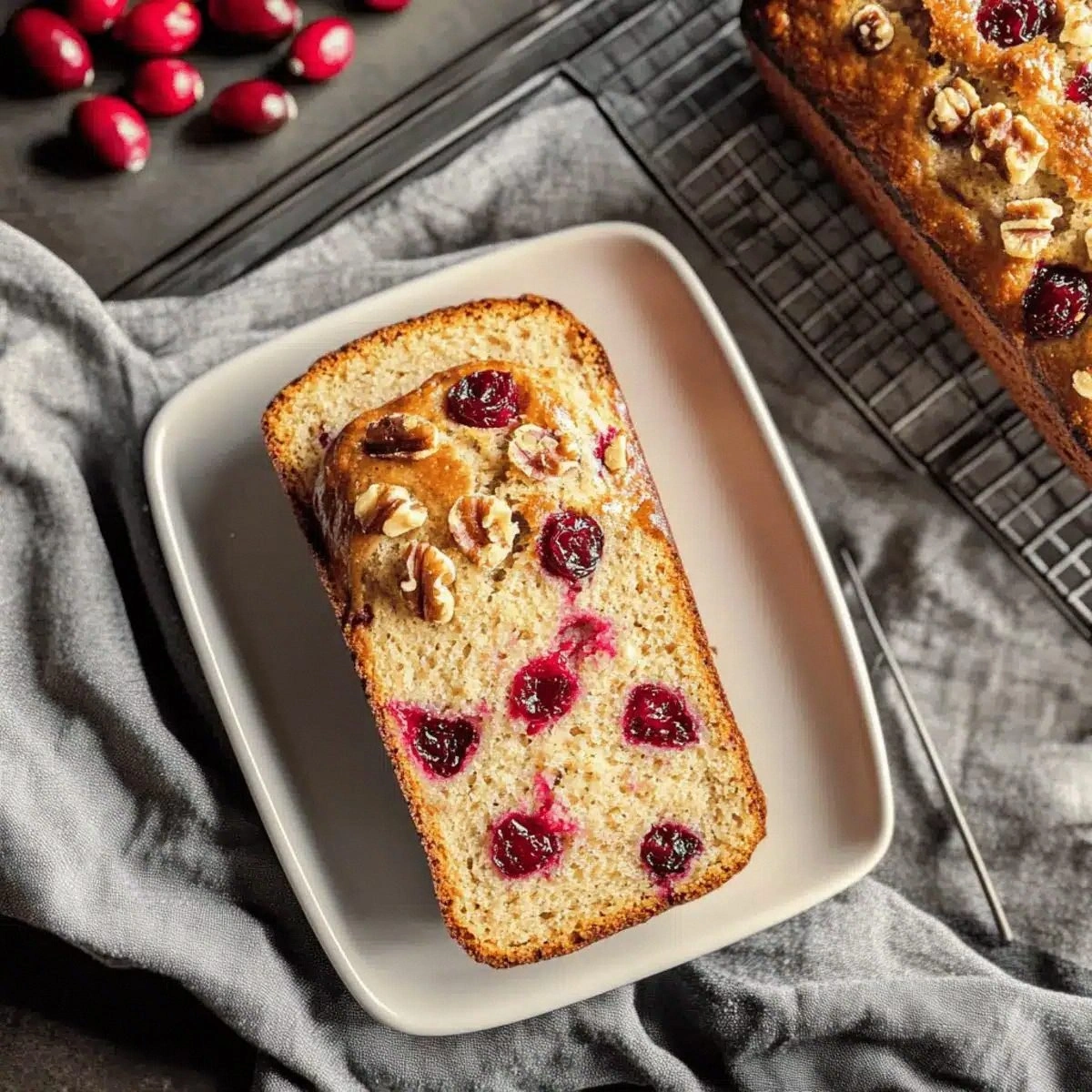
Fold in the fresh cranberries, dried cranberries, and toasted walnuts. Use a rubber spatula and a gentle folding motion to avoid crushing the berries; you want them to stay whole for those juicy pops. If you’re using alternative nuts, this is the point to add them. The batter should look speckled with ruby and amber flecks.
Gradually add the dry flour mixture to the wet ingredients, stirring just until combined. Over‑mixing will develop gluten and make the loaf dense; stop as soon as you see no streaks of flour. The batter will be thick but still slightly lumpy—that’s perfect.
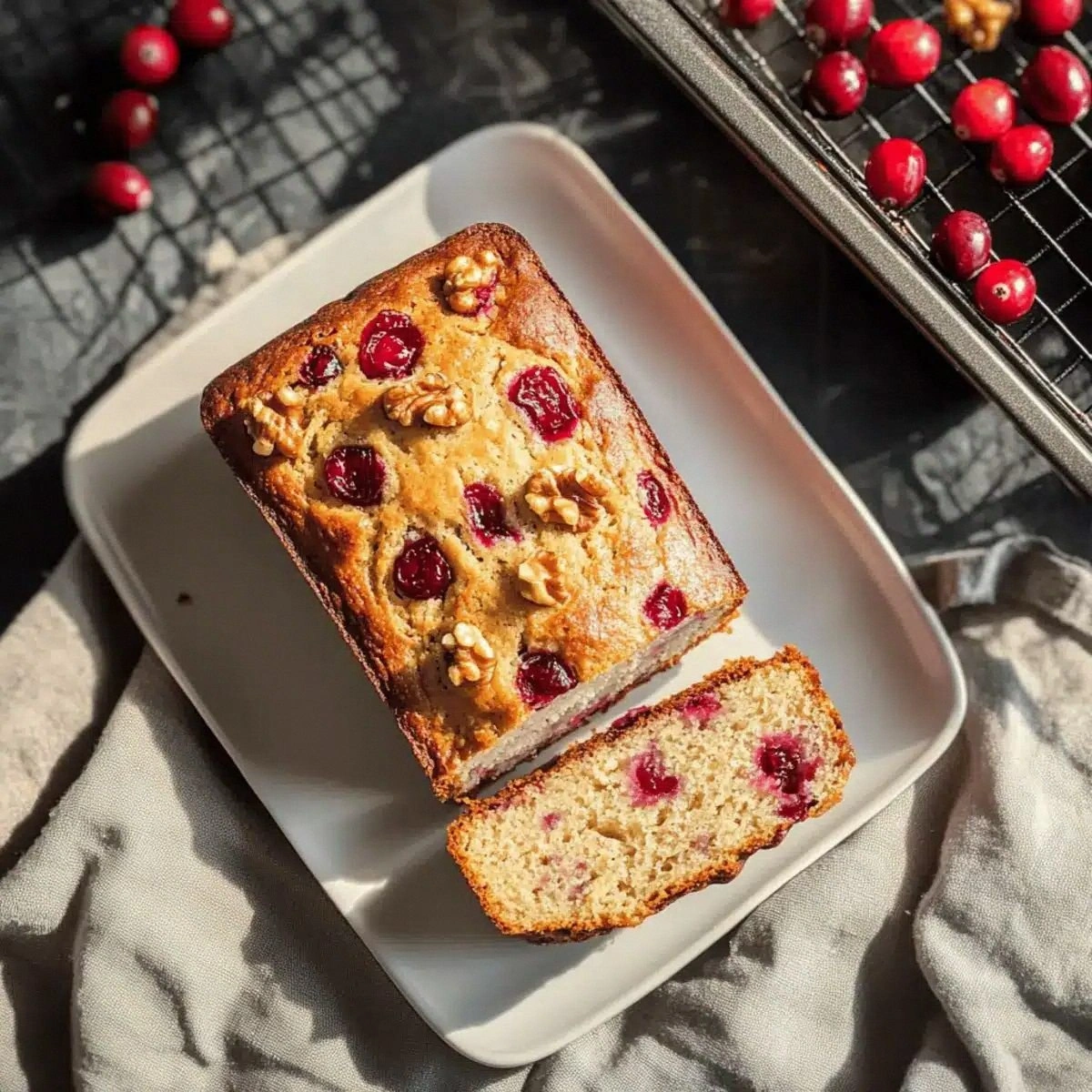
Watch Out: If the batter looks too dry, add a tablespoon of orange juice at a time; too much liquid will make the loaf sink in the middle.Pour the batter into the prepared loaf pan, smoothing the top with the back of a spoon. The surface should be slightly domed; this will give the bread a beautiful, natural crown as it bakes. Sprinkle a handful of extra walnuts and a pinch of zest on top for an eye‑catching finish.
Slide the pan into the oven and bake for 30‑35 minutes, or until a toothpick inserted into the center comes out clean and the top is a deep golden‑brown. Around the 20‑minute mark, rotate the pan 180 degrees to ensure even browning. You’ll hear a faint crackle as the crust sets—listen for that, it’s your cue that the loaf is forming a perfect crust.
Remove the loaf from the oven and let it rest in the pan for 10 minutes, then transfer it to a wire rack. The loaf will continue to set as it cools; this step is crucial for a clean slice. While it cools, the aroma will fill your kitchen, making you want to dive in immediately—resist! That’s the power of anticipation.
That's it — you did it. But hold on, I've got a few more tricks that'll take this to another level...
Insider Tricks for Flawless Results
The Temperature Rule Nobody Follows
Never bake this loaf at a temperature higher than 350°F. Higher heat creates a crust too quickly, preventing the interior from rising fully. I once cranked the oven to 375°F hoping for a faster bake; the result was a burnt top and a gummy middle. Keep the heat steady, and you’ll get an even rise and a caramelized edge that shatters like thin ice when you bite into it.
Why Your Nose Knows Best
The moment the bread starts to smell like toasted nuts and citrus, you’re close to the finish line. Trust your nose more than the timer; ovens can vary by several minutes. If the scent is strong and the top looks golden, pull it out a minute early and let residual heat finish the job. This trick saved me from a dry loaf once, and it’ll save you too.
The 5‑Minute Rest That Changes Everything
After removing the loaf from the pan, let it sit for exactly five minutes before transferring to a rack. This short rest allows the steam trapped inside to redistribute, preventing the crumb from becoming gummy. A friend once skipped this step and ended up with a crumb that stuck to the knife—let's just say it didn't end well.
Glaze for Extra Shine
Brush the top with a quick glaze made of 1 tablespoon orange juice and 1 teaspoon sugar right after baking. The glaze gives a subtle gloss and a sweet finish that makes the loaf look bakery‑ready. It’s a tiny effort that pays off in visual appeal and a hint of extra sweetness.
Freeze‑Proof Packing
If you’re planning to freeze leftovers, wrap the cooled loaf tightly in plastic wrap, then a layer of foil. This double‑wrap prevents freezer burn and keeps the texture intact. When you’re ready to enjoy, thaw at room temperature and give it a 5‑minute steam in the oven to revive the crust.
Creative Twists and Variations
This recipe is a playground. Here are some of my favorite ways to switch things up:
Chocolate‑Swirl Dream
Add ¼ cup cocoa powder to the dry ingredients and swirl in a chocolate ganache before baking. The result is a marble‑like loaf that pairs the tartness of cranberries with deep chocolate richness—perfect for chocolate lovers.
Spiced Autumn Version
Replace orange zest with 1 teaspoon ground cinnamon and add a pinch of nutmeg. The warm spices complement the cranberries, turning the loaf into a cozy fall treat that pairs wonderfully with chai.
Tropical Twist
Swap orange juice for pineapple juice and add shredded coconut with the walnuts. The tropical notes give the bread a sunny vibe, ideal for summer picnics.
Vegan Friendly
Use a flax egg (1 tablespoon ground flaxseed + 3 tablespoons water) instead of the large egg, and replace butter with coconut oil. The flavor remains rich, and the crumb stays moist.
Nut‑Free Alternative
Omit walnuts and replace them with toasted pumpkin seeds. The seeds add a subtle crunch without the nutty flavor, making the loaf safe for those with nut allergies.
Storing and Bringing It Back to Life
Fridge Storage
Wrap the cooled loaf tightly in plastic wrap and store it in an airtight container for up to 5 days. The moisture from the fruit helps keep it soft, while the wrap prevents the crust from drying out.
Freezer Friendly
Slice the loaf before freezing; this way you can defrost individual pieces as needed. Place slices on a parchment sheet, freeze solid, then transfer to a zip‑top bag. They’ll keep for up to 3 months.
Best Reheating Method
Preheat your oven to 300°F, place a slice on a baking sheet, and add a tiny splash of water (about a teaspoon) on the slice before covering loosely with foil. Heat for 8‑10 minutes; the steam revives the crumb, and the crust regains its slight crunch.