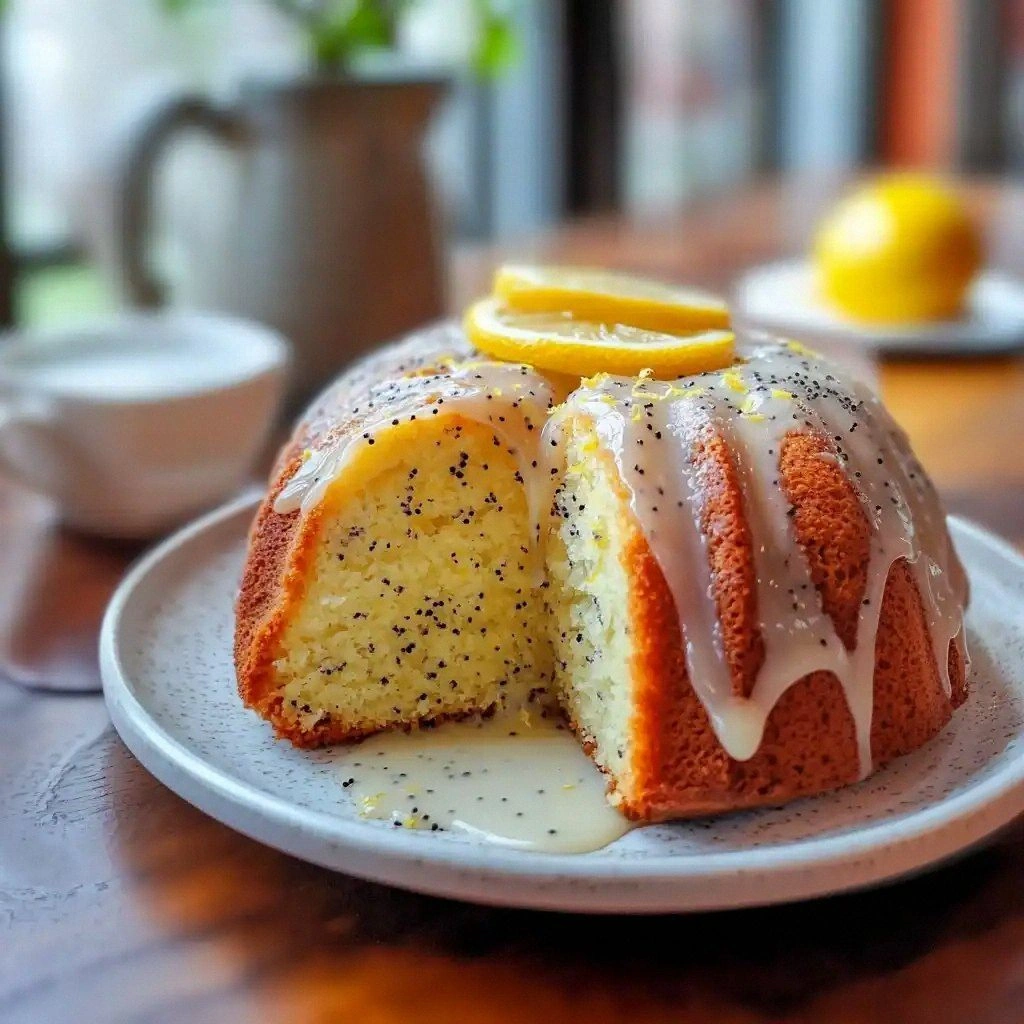
Picture this: I’m in my kitchen, the oven preheating, a box of lemons sitting like tiny suns on the counter, and the sweet scent of butter and sugar already swirling in the air. I was trying to salvage a disastrous batch of lemon cake from last week—crumbly, dry, and as bright as a wilted flower. That failure sparked a mission: create a cake that’s not just moist but practically a liquid hug of citrus and poppy seed. I’ve spent the last month tweaking ratios, experimenting with buttermilk, and even adding a secret pop of vanilla to keep the flavors balanced. The result? A lemon poppy seed cake that feels like a sunrise in a bite.
I dare you to taste this and not go back for seconds. The first bite releases a burst of zesty lemon that settles into a silky, buttery crumb. The poppy seeds add a subtle crunch that echoes like tiny applause. And the finish? A whisper of citrus that lingers long after the last crumb. This is hands down the best version you’ll ever make at home, and I’m about to walk you through every single step—by the end, you’ll wonder how you ever made it any other way.
Most recipes get this completely wrong by either overbaking or under-seasoning. I’ve found that the secret is a delicate balance of acidity and leavening that keeps the cake airy yet dense. The buttermilk adds a mild tang that cuts through the sweetness, while the lemon zest keeps the aroma alive. If you’re like me and love a cake that can be sliced for dessert or served with a cup of tea, this recipe is your new best friend. And trust me, the aroma alone will make your entire kitchen feel like a summer orchard.
If you’ve ever struggled with a dry lemon cake, you’re not alone—and I’ve got the fix. The trick is in the wet ingredients and the right amount of leavening. I’ll show you how to fold the batter just enough to keep it light, and how to use the right baking temperature for a golden crust. Picture yourself pulling this out of the oven, the whole kitchen smelling incredible, and the cake cooling on a rack with the buttery scent of lemon dancing in the air. Ready for the game-changer?
What Makes This Version Stand Out
- Flavor: The dual lemon component—zest and juice—creates a layered citrus experience that’s bright yet mellow.
- Texture: The addition of buttermilk keeps the crumb moist without compromising structure.
- Leavening: A balanced mix of baking powder and soda ensures a tender rise without a domed top.
- Visual Appeal: Poppy seeds scatter across the batter like tiny specks of gold, turning every slice into a work of art.
- Versatility: This cake is perfect for birthdays, brunches, or a simple afternoon treat.
- Time: From prep to finish, you’ll spend less than an hour—ideal for a last-minute dessert.
- Make-ahead Friendly: It stores well and can be refreshed with a quick dusting of powdered sugar.
- Health Conscious: By swapping white sugar for a natural sweetener or using a low-fat butter, you can keep the calories in check.
Alright, let’s break down exactly what goes into this masterpiece…
Inside the Ingredient List
The Flavor Base
All-purpose flour is the canvas that holds everything together. Using 2 ½ cups ensures a generous volume that keeps the cake from being too dense. If you prefer a gluten-free version, swap for a blend that contains xanthan gum to mimic the structure. Skipping flour entirely would turn the cake into a batter, not the delightful crumb we’re aiming for.
The Texture Crew
Buttermilk is the star that keeps the cake moist. Its acidity reacts with the leavening agents to create a tender crumb. If you’re out of buttermilk, whisk 1 cup of milk with 1 tablespoon of lemon juice and let it sit for 5 minutes. A pinch of baking soda is essential; it neutralizes the acidity and helps the cake rise evenly. Without it, you’ll end up with a flat, heavy dessert.
The Unexpected Star
Poppy seeds might seem like a decorative touch, but they add a delightful crunch that breaks up the buttery softness. They also contribute a subtle nutty flavor that balances the sharpness of lemon. If you’re allergic or simply don’t like poppy seeds, you can replace them with toasted almond slivers for a different crunch.
The Final Flourish
Zest of two lemons is the aromatic punch that keeps the cake from becoming sweetly bland. The zest releases essential oils that intensify the lemon flavor. Fresh lemon juice, on the other hand, provides the bright acidity that cuts through the richness of butter and sugar. Together they create a symphony of citrus notes that dance on the palate.
Everything’s prepped? Good. Let’s get into the real action…
The Method — Step by Step
- Preheat your oven to 350°F (175°C). Line a 9-inch springform pan with parchment paper and lightly grease the sides. The parchment ensures a smooth release, while greasing prevents sticking. As the oven warms, the kitchen starts to smell like a citrus orchard. Keep an eye on the timer; a 30-minute bake is the sweet spot.
- In a medium bowl, whisk together the flour, baking powder, baking soda, and salt. Sifting the dry mix once more removes lumps and creates an airy batter. This step is crucial for a light crumb. The aroma of the dry ingredients is already a hint of what’s to come. Set the bowl aside for a minute.
- In a separate large bowl, beat the softened butter and granulated sugar until pale and fluffy—about 3 minutes. The goal is to incorporate air, which will lift the cake. When the mixture is light, add the eggs one at a time, beating well after each addition. This gradual incorporation keeps the batter from curdling. The mixture should feel silky, not gritty.
- Stir in the lemon zest, vanilla extract, and poppy seeds. The zest’s oils should swirl through the batter like a bright sunrise. The poppy seeds will pepper the mixture, adding texture. This is the moment where the aroma of citrus hits full force. Fold gently, so you don’t deflate the air pockets you just created.
- Add the buttermilk in two separate pours, alternating with the dry ingredients. Start and finish with the dry mix to keep the batter from separating. Each addition should be folded until just combined. The batter will look slightly lumpy, but that’s fine. The buttermilk’s acidity will react with the baking soda, creating tiny bubbles that give the cake its rise.
- Pour the batter into the prepared pan, smoothing the top with a spatula. Tap the pan lightly on the counter to release any large air pockets. The batter should spread evenly, covering the entire surface. The edges will start to pull away from the sides, indicating a good rise. This is the moment of truth.
- Bake for 30 minutes, or until a toothpick inserted into the center comes out clean. The top should be golden brown, slightly crisp, yet still soft inside. As the cake bakes, the sugars caramelize, creating a subtle caramelized lemon flavor. The smell will be intoxicating—think fresh lemons with a buttery undertone.
- Let the cake cool in the pan for 10 minutes, then transfer it to a wire rack to cool completely. This prevents condensation from making the bottom soggy. While the cake cools, prepare a simple glaze: whisk powdered sugar with 2 tablespoons fresh lemon juice until smooth. Drizzle the glaze over the cake once it’s cooled. The glaze adds a glossy finish and a burst of citrus.
That’s it—you did it. But hold on, I’ve got a few more tricks that’ll take this to another level…
Insider Tricks for Flawless Results
The Temperature Rule Nobody Follows
Many bakers bake at 375°F, assuming a higher temperature yields a crisper top. In reality, 350°F is the sweet spot for lemon cakes, allowing the batter to rise evenly without drying out. If you’re using a convection oven, reduce the temperature by 25°F to avoid over-browning. The key is a gentle heat that lets the cake expand slowly.
Why Your Nose Knows Best
The first scent you notice during baking is the toasty sugar. When it turns a golden amber, the cake is almost done. Trust your nose; it’s a reliable indicator of doneness. If you’re unsure, insert a toothpick—if it comes out clean, you’re good to go. This sensory checkpoint saves you from overbaking.
The 5-Minute Rest That Changes Everything
After removing the cake from the oven, let it rest in the pan for 10 minutes before transferring to a rack. This short rest allows the structure to set, preventing cracks. It also gives the cake time to finish cooking from residual heat, ensuring a moist interior. Skipping this step often results in a crumb that’s too loose.
The Poppy Seed Trick
If you want a more pronounced poppy seed flavor, toast them lightly in a dry skillet before adding to the batter. Toasting releases their oils, giving a nuttier taste. Keep them warm until you’re ready to fold them in, or you risk them settling to the bottom of the pan. This simple step elevates the cake’s depth.
The Sweet Finish
A dusting of powdered sugar after cooling creates a classic look. But for a modern twist, swirl a little lemon glaze into the powdered sugar for a glossy, citrusy finish. The glaze also adds moisture, keeping the cake from drying out over time. This finishing touch turns a simple cake into a showstopper.
Creative Twists and Variations
This recipe is a playground. Here are some of my favorite ways to switch things up:
Lemon Blueberry Surprise
Fold in a cup of fresh blueberries during step 5. The berries burst with juice, adding a sweet-tart contrast. Use a lemon glaze to keep the flavor profile cohesive. This version is perfect for summer brunches.
Almond Joyful
Replace poppy seeds with toasted almond slivers and add a tablespoon of almond extract in step 4. The nutty aroma complements the citrus. Serve with a drizzle of almond butter for an extra indulgent touch.
Vanilla Bean Twist
Swirl a vanilla bean paste into the batter during step 5 for a subtle vanilla undertone. The bean’s seeds add a silky texture. This variation pairs wonderfully with a caramel drizzle.
Chocolate‑Lemon Fusion
Add ½ cup of melted dark chocolate to the batter in step 5. The chocolate’s bitterness balances the lemon’s brightness. Top with a chocolate ganache for a decadent finish.
Herbal Citrus
Introduce a tablespoon of chopped fresh thyme into step 4. The herb’s earthiness pairs unexpectedly well with lemon. This version is ideal for a sophisticated dinner party.
Low‑Calorie Clean‑Up
Swap the butter for a plant‑based butter alternative and reduce sugar by ¼ cup. Use a sugar substitute like stevia in the glaze. This keeps the cake moist while cutting calories.
Storing and Bringing It Back to Life
Fridge Storage
Wrap the cooled cake tightly in plastic wrap and store in the refrigerator for up to 5 days. The lemon flavor intensifies over time, giving you a more pronounced citrus note. When ready to serve, let it sit at room temperature for 15 minutes to soften. This prevents a dry bite.
Freezer Friendly
Slice the cake into individual portions, wrap each in parchment paper, then place in a freezer bag. Freeze for up to 2 months. Thaw overnight in the fridge, then bring to room temperature before serving. This method preserves texture and flavor.
Best Reheating Method
To revive a refrigerated or frozen slice, place it on a baking sheet and warm in a 350°F oven for 5 minutes. Add a tiny splash of water to the pan to create steam, preventing the cake from drying out. The result is a fresh, moist slice with a crisp crust.