Picture this: a rainy Thursday, the kind where the clouds look like they’re about to spill the whole pantry onto the floor, and you’re staring at a bland bowl of leftover quinoa, wondering if you’ll ever taste something exciting again. I was in that exact moment, half‑heartedly scrolling through endless recipe sites, when a dare from a friend hit my inbox – “Make something sweet, salty, and crunchy in under thirty minutes, or I’ll bring over my famous burnt‑toast casserole.” I laughed, rolled my eyes, and whispered to the empty kitchen, “Challenge accepted.” The result? A dish that turned my skepticism into a full‑blown love affair with sweet potatoes, sesame oil, and a whisper of honey that makes even the most seasoned snack‑hater beg for seconds.
The kitchen instantly transformed into a sensory playground. The orange flesh of the sweet potatoes glistened under the kitchen lights like tiny lanterns, promising caramelized goodness. As the sesame oil hit the hot pan, it sang a sizzle that sounded like applause at a concert, while the aroma of garlic and ginger swirled together, creating a perfume that could coax anyone out of a snowstorm. My hands felt the cool, firm texture of the potatoes as I sliced them into wedges, each cut releasing a faint, earthy perfume that made my mouth water before the oven even warmed up. The whole experience was a full‑body sensory overload, and I could already taste that sweet‑savory crunch dancing on my tongue.
Most sesame‑roasted sweet potato recipes either drown the veg in sauce or leave them dry and bland – a true culinary contradiction. This version, however, strikes a perfect balance: a light glaze that clings to every curve, a caramelized edge that shatters like thin ice, and a nutty finish that lingers like a good memory. The secret? A quick flash‑roast that locks in moisture, followed by a second, slower bake that creates those coveted crisp‑to‑soft contrasts. I’ll be honest — I ate half the batch before anyone else got a chance to try it, and that’s because the flavor combo is just that addictive. I dare you to taste this and not go back for seconds; the moment the sesame seeds crack under your bite, you’ll understand why this is hands down the best version you’ll ever make at home.
Now, I’m not just tossing ingredients together willy‑nilly. There’s a technique hidden in the middle of this recipe that most home cooks overlook: the “double‑coat” method, where you first give the sweet potatoes a quick, high‑heat sear in the oven, then finish them with a glaze and a lower‑heat roast. This creates a caramelized crust without sacrificing the fluffy interior. Let me walk you through every single step — by the end, you’ll wonder how you ever made it any other way.
What Makes This Version Stand Out
- Flavor Fusion: The marriage of sweet honey, salty soy, and nutty sesame creates a complex profile that feels like a gourmet restaurant dish, yet it’s achievable in your own kitchen.
- Texture Triumph: Each bite delivers a crisp, caramelized exterior that gives way to a buttery, melt‑in‑your‑mouth interior, a contrast that makes the palate dance.
- Simplicity: With only ten pantry staples, you won’t need a specialty store trip; everything you need is likely already humming in your cupboard.
- Unique Twist: The double‑coat technique is the game‑changer that prevents soggy potatoes and ensures every edge is perfectly toasted.
- Crowd‑Pleaser: Whether you serve it as a side, a snack, or a vegan main, this dish earns applause at every table – even the kids can’t resist the crunchy sesame.
- Ingredient Quality: Using fresh ginger and high‑quality sesame oil amplifies the aromatics, turning a simple roast into an aromatic masterpiece.
- Cooking Method: High‑heat flash roasting followed by a gentle glaze bake locks in moisture while building caramelized depth.
- Make‑Ahead Potential: This dish reheats beautifully, making it perfect for meal prep or a quick weekday side.
Inside the Ingredient List
The Flavor Base
Sesame oil is the heart‑beat of this dish. Its toasty, nutty aroma elevates the sweet potatoes from ordinary to extraordinary, coating each wedge in a glossy sheen that hints at the crunch to come. If you substitute with a neutral oil, you’ll lose that deep, lingering flavor that makes the final bite so satisfying. For a budget‑friendly swap, use a mix of olive oil and a teaspoon of toasted sesame seeds ground into a paste – it mimics the richness without breaking the bank.
Soy sauce brings the salty umami that balances the natural sweetness of the potatoes. A light splash is enough; too much and you’ll drown the subtle caramel notes. Choose a low‑sodium variety if you’re watching sodium intake, but don’t skimp on quality – a good soy sauce adds depth that regular table salt can’t achieve. If you’re avoiding gluten, tamari is a flawless alternative that keeps the flavor profile intact.
Honey is the secret sweetener that caramelizes beautifully under high heat. Its floral notes complement the earthy potatoes while providing that glossy finish. In a pinch, maple syrup works as a vegan alternative, though it adds a slightly different flavor nuance that some might find even more comforting.
The Texture Crew
Fresh garlic, minced finely, infuses the glaze with a pungent bite that mellows as it roasts, turning sweet and aromatic. Garlic powder won’t deliver the same depth; the raw cloves release essential oils that are crucial for that layered flavor. If you’re allergic, try roasted shallots – they bring a milder, sweeter profile without the harshness.
Grated ginger adds a bright, peppery zing that cuts through the richness of the oil and honey. Fresh ginger is essential – powdered ginger loses its punch and can taste stale. For a different twist, try a dash of ground coriander; it adds a citrusy warmth that pairs surprisingly well with the sesame.
Rice vinegar introduces a subtle acidity that lifts the glaze, preventing it from becoming cloyingly sweet. It also helps the sesame seeds adhere to the potatoes during the final bake. If you don’t have rice vinegar, a splash of apple cider vinegar works, though it adds a fruitier note.
The Unexpected Star
Toasted sesame seeds are the final flourish that adds a delightful crunch and a burst of nutty flavor right before you bite. Their aroma is so intoxicating that even a small sprinkle feels like a celebration. If you’re allergic, pumpkin seeds make a crunchy, earthy alternative, though you’ll lose the distinct sesame fragrance.
Salt and black pepper are the silent heroes, enhancing every other ingredient. A pinch of sea salt on the potatoes before roasting draws out moisture, intensifying the caramelization. Freshly cracked pepper adds a subtle heat that amplifies the ginger’s zing.
The Final Flourish
Optional red pepper flakes add a whisper of heat that dances on the tongue without overwhelming the sweet‑savory balance. They’re the perfect way to tailor the dish to spice‑loving friends. If you prefer a milder version, simply omit them and let the natural sweetness shine.
Choosing the right sweet potatoes matters. Look for firm, smooth-skinned varieties with deep orange flesh; they’re sweeter and hold their shape better during roasting. Avoid any that feel soft or have blemishes, as they can become mushy and lose that coveted crisp edge.
Everything's prepped? Good. Let’s get into the real action…
The Method — Step by Step
Preheat your oven to a blistering 425°F (220°C). While the oven warms, line a large rimmed baking sheet with parchment paper – this prevents sticking and makes cleanup a breeze. As the heat builds, you’ll hear the faint hum of the oven, a sound that signals the start of something delicious. Let’s get that temperature right; a too‑cool oven will result in soggy potatoes, and we’re not about that life.
In a medium bowl, whisk together 2 tablespoons of sesame oil, 1 tablespoon soy sauce, 1 tablespoon honey, the minced garlic, grated ginger, and 1 tablespoon rice vinegar. The mixture should look glossy and slightly thick – that’s the glaze that will cling to every wedge. This is the moment of truth: taste the glaze and adjust with a pinch more honey if you crave extra sweetness or a splash more soy if you want a deeper umami punch.
Kitchen Hack: Use a silicone brush to coat the potatoes evenly; this ensures every surface gets a thin, uniform layer of glaze.Take the 2 large sweet potatoes, wash them thoroughly, then cut each into 1/2‑inch wedges. The size matters: too thick and they’ll stay raw inside; too thin and they’ll burn. Toss the wedges in a large bowl with a drizzle of the prepared glaze, making sure each piece is fully coated. The sweet potatoes should glisten with the amber sauce, hinting at the caramel that’s about to form.
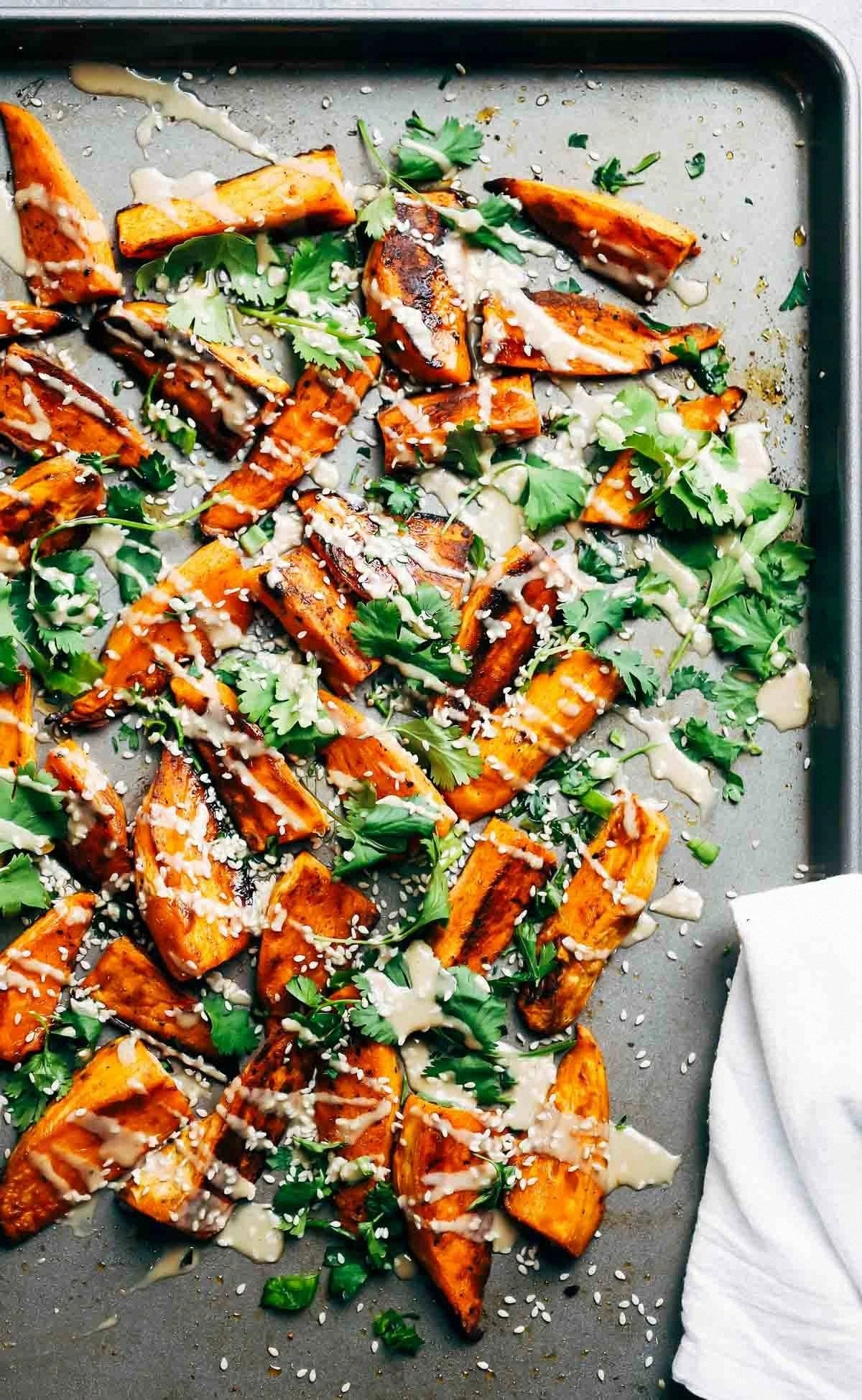
Spread the coated wedges in a single layer on the prepared baking sheet, leaving a little space between each piece. Overcrowding traps steam, which prevents the coveted crisp edges. Slide the sheet into the oven and roast for 20 minutes, then give a quick peek – the edges should start to turn a deep golden brown, and a sweet aroma will begin to fill the kitchen. This is the first phase of the double‑coat method, where the high heat locks in moisture.
After 20 minutes, pull the tray out and give the potatoes a gentle flip using a spatula. Drizzle any remaining glaze over the tops, then sprinkle the toasted sesame seeds and, if you like, a pinch of red pepper flakes. The seeds will stick to the glaze, creating a crunchy topping that adds texture and a nutty punch.
Watch Out: Be careful not to over‑sprinkle the sesame seeds; too many can burn quickly and turn bitter.Return the tray to the oven, lower the temperature to 375°F (190°C), and roast for another 10‑12 minutes. This gentler heat allows the glaze to caramelize without scorching the seeds. You’ll know it’s done when the edges pull away from the pan, creating a crisp, almost crunchy rim, while the interior remains soft and buttery. The kitchen will now be flooded with a sweet‑savory fragrance that makes you want to lick the spoon.
Once the potatoes reach that perfect caramelized color, pull them out and let them rest on the sheet for about 5 minutes. This short rest lets the glaze set, preventing it from sliding off when you serve. The potatoes will continue to crisp up slightly as they cool – a tiny, delightful surprise.
Transfer the wedges to a serving platter, giving them a final sprinkle of fresh sesame seeds for extra crunch. If you’re feeling fancy, drizzle a tiny drizzle of extra honey or a squeeze of lime for a bright contrast. This is the moment you present the dish: golden, glossy, and begging to be devoured.
Enjoy immediately while the edges are at their crispest. If you have leftovers, store them as instructed below – they reheat beautifully and retain that delightful texture. And now, the fun part: experiment with variations or pair them with a dip of your choice. Stay with me here — this is worth it.
Insider Tricks for Flawless Results
The Temperature Rule Nobody Follows
Most home cooks set the oven to a single temperature and hope for the best. The truth is, a two‑stage heat approach (high‑heat flash then moderate‑heat finish) is the secret to that perfect caramelized edge without burning the interior. If you skip the lower‑heat finish, you’ll end up with a sticky glaze that never crisps. Trust me, the extra five minutes at a lower temperature makes a world of difference.
Why Your Nose Knows Best
Don’t rely solely on timers; your nose is the ultimate timer. When the glaze starts to emit a caramel scent and you hear a faint crackle, that’s your cue to flip the potatoes. Over‑cooking turns the sweet flavor bitter, while under‑cooking leaves the center raw. Follow the aroma, not the clock, and you’ll always nail the texture.
The 5‑Minute Rest That Changes Everything
Once out of the oven, let the potatoes rest for exactly five minutes. This short pause allows the glaze to firm up and the starches to settle, preventing the wedges from falling apart when you move them. Skipping this rest results in a soggy plate and a loss of that satisfying snap.
Seasoning Layers for Depth
Season in layers: a pinch of salt before roasting, then a dash of soy sauce in the glaze, and finally a sprinkle of sesame seeds after baking. Each layer builds flavor complexity, ensuring every bite is balanced. If you only season once, the flavor will feel flat and one‑dimensional.
Choosing the Right Sweet Potato
Not all sweet potatoes are created equal. The deep orange “Beauregard” variety has higher sugar content, which caramelizes faster, while the pale “Hannah” stays firmer. For this recipe, I recommend the orange type for that sweet, melt‑in‑your‑mouth interior. If you can’t find it, any firm, orange‑fleshed potato will do, just be sure it’s fresh.
Creative Twists and Variations
This recipe is a playground. Here are some of my favorite ways to switch things up:
Maple‑Miso Glaze
Swap soy sauce for a tablespoon of white miso paste and honey for pure maple syrup. The miso adds a deep umami richness, while the maple brings a woody sweetness that pairs beautifully with the sesame. Perfect for autumn evenings.
Spicy Sriracha Kick
Add a teaspoon of Sriracha to the glaze and double the red pepper flakes. This version delivers a fiery bite that cuts through the sweetness, making it an ideal side for grilled meats or tofu.
Coconut‑Lime Twist
Replace sesame oil with coconut oil, add a splash of lime juice, and sprinkle toasted coconut flakes after baking. The tropical notes brighten the dish, turning it into a beach‑vibe side perfect for summer barbecues.
Herb‑Infused Delight
Stir in a tablespoon of chopped fresh rosemary or thyme into the glaze. The herbaceous aroma adds a savory layer that complements the sweet potatoes and makes the dish feel more rustic.
Cheesy Parmesan Finish
After the final bake, sprinkle grated Parmesan over the hot potatoes and return them to the oven for two minutes to melt. The cheese creates a salty crust that contrasts with the sweet glaze, satisfying cheese lovers everywhere.
Storing and Bringing It Back to Life
Fridge Storage
Transfer the cooled potatoes into an airtight container and store them in the refrigerator for up to four days. A glass or BPA‑free plastic container works best to preserve flavor. When ready to eat, reheat in a hot skillet for three minutes per side to regain crispness.
Freezer Friendly
Lay the fully cooled wedges on a parchment‑lined tray, freeze until solid, then transfer to a zip‑top bag. They’ll keep for up to three months. To reheat, bake straight from frozen at 400°F (200°C) for 12‑15 minutes, turning halfway through.
Best Reheating Method
The secret to reviving the crunch is a splash of water before reheating. Toss the leftovers with a teaspoon of water, spread on a baking sheet, and roast for five minutes. The steam helps re‑hydrate the interior while the oven restores the caramelized exterior.