I was standing in my kitchen, staring at the soggy, flavor‑dead chicken salad from last night, when my phone buzzed with a text from my friend: “You have to try this curry chicken salad. It’s a game changer.” The kitchen was a mess, the fridge was a rainbow of leftovers, and I had a craving that felt like a culinary rebellion. I imagined the scent of warm curry powder dancing with the crispness of celery, the bright pop of grapes, and that tangy lemon zing that would lift the whole dish. I knew I had to turn that chaos into a masterpiece, and I couldn’t wait to share how I did it.
Picture this: you’re chopping celery, and the crunch echoes like a tiny drumbeat in your kitchen. The air fills with the earthy aroma of curry powder, a spice that’s been traveling the world for centuries, now ready to make your taste buds sing. You pour a generous splash of lemon juice, and the citrus notes cut through the creamy dressing, creating a harmony that feels like a well‑orchestrated symphony. The red grapes burst with sweet juice, and the toasted almonds add a nutty crunch that’s almost a counterpoint to the silky yogurt. Every element is a character in a story, and the whole salad is a narrative that will have you asking, “What’s next?”
I’m not just talking about any curry chicken salad; I’m talking about a version that rewrites the rulebook. The secret is in the balance: the curry powder is bold but not overpowering, the yogurt is creamy yet light, and the lemon juice adds a bright counterpoint that lifts the entire dish. It’s the kind of salad that can be a quick lunch, a party side, or a comforting dinner, all at once. The result? A dish that’s vibrant, satisfying, and surprisingly simple to assemble. I dare you to taste this and not go back for seconds.
So grab your cutting board, because I’m about to walk you through every single step. By the end, you’ll wonder how you ever made it any other way. Trust me, this is hands down the best version you’ll ever make at home.
What Makes This Version Stand Out
Flavor Fusion: The curry powder isn’t just a spice; it’s the backbone that ties every component together, delivering warmth without bitterness.
Texture Contrast: The combination of tender chicken, crunchy celery, chewy grapes, and toasted nuts creates a mouthfeel that’s both playful and satisfying.
Alright, let’s break down exactly what goes into this masterpiece…
Inside the Ingredient List
The Flavor Base
Curry powder is the star of this salad. Its blend of turmeric, coriander, cumin, and other spices gives a warm, earthy foundation that’s unmistakable. If you skip it, the dish loses its signature depth, becoming a bland mix of yogurt and veggies. For a milder version, use half the amount and add a pinch of smoked paprika to keep the warmth.
The lemon juice is a bright, acidic counterpoint that cuts through the richness of the yogurt, preventing the salad from feeling heavy. A splash of lime juice can replace lemon for a slightly sweeter, tropical twist. Keep the juice fresh by squeezing it right before assembling to preserve its zing.
The Texture Crew
Celery brings a clean, crisp bite that balances the softness of the chicken and the juiciness of grapes. If you’re not a fan of celery’s slightly bitter undertone, try replacing it with crunchy cucumber ribbons or julienned carrots for a different texture profile. The almonds or cashews add a nutty crunch that’s almost a counterpoint to the creamy dressing.
Red grapes or dried cranberries add a burst of sweetness that brightens each mouthful. Fresh grapes are juicy and refreshing, while dried cranberries offer a chewy, tart bite. If you’re craving a different sweet element, try diced mango or pineapple chunks for a tropical twist.
The Unexpected Star
Fresh parsley or cilantro isn’t just a garnish; it adds a burst of herbal aroma that lifts the dish. Cilantro, with its citrusy undertones, pairs well with the curry, while parsley offers a more subtle, grassy note. If you’re allergic to cilantro, parsley or even basil can serve as a suitable substitute.
Green onions or red onion provide a mild sharpness that enhances the salad’s freshness. The choice between them depends on your preference for a milder or more pronounced bite. For a sweeter, more aromatic option, try scallions or leeks.
The Final Flourish
Salt and pepper are the unsung heroes that bring all the flavors together. A pinch of salt enhances the sweetness of grapes and the earthiness of curry, while pepper adds a subtle heat that lingers on the palate. If you’re watching sodium, use a low‑sodium curry powder and adjust accordingly.
Everything’s prepped? Good. Let’s get into the real action…
The Method — Step by Step
- Begin by shredding or dicing the cooked chicken into bite‑sized pieces. If you’re using leftover rotisserie chicken, let it rest for a few minutes to keep it moist. This step sets the foundation for the salad’s protein base. The chicken should feel tender yet firm, not dry or rubbery.
- While the chicken chills, finely dice the celery into thin ribbons or small cubes. The goal is uniformity so every bite receives the same crispness. If you’re in a hurry, a food processor with a slicing attachment can speed up the process.
- Add the red grapes or dried cranberries to the celery. If you’re using fresh grapes, slice them in half to expose the juicy interior. If you prefer cranberries, soak them in warm water for 10 minutes to plump them up before tossing.
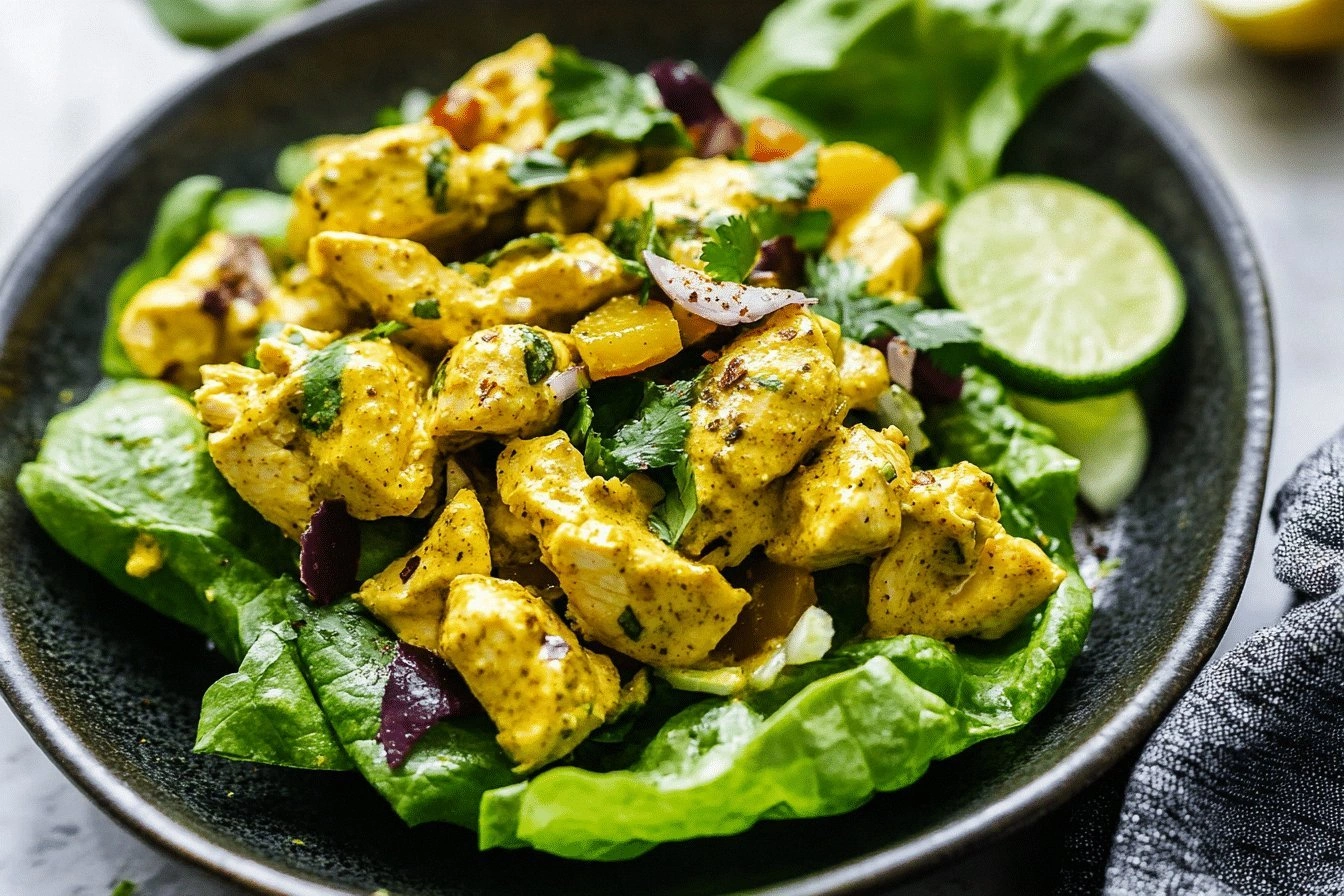
- In a large bowl, combine the shredded chicken, celery, grapes, and any additional veggies. Toss gently to distribute the ingredients evenly. This mix should look like a colorful mosaic, each component visible.
- In a separate bowl, whisk together the Greek yogurt, curry powder, lemon juice, salt, and pepper until smooth. The yogurt should coat the spoon like velvet, and the curry powder should dissolve fully. If you prefer a thicker dressing, add more yogurt; for a lighter version, add a splash of water or yogurt.
- Pour the dressing over the salad mixture. Toss until every piece is evenly coated. The salad should feel like a gentle drizzle of sauce, with each bite bursting with flavor.
- Toast the almonds or cashews in a dry skillet over medium heat until fragrant, about 2–3 minutes. Stir frequently to prevent burning. The toasted nuts should emit a nutty aroma that enhances the overall dish.
- Fold the toasted nuts into the salad, followed by the fresh parsley or cilantro. Sprinkle the herbs on top for a final burst of color and aroma. The salad should now look vibrant and ready to serve.
- Cover the bowl with plastic wrap and refrigerate for at least 30 minutes before serving. This resting period allows the flavors to meld, turning the salad into a cohesive, flavorful masterpiece.
- When ready to serve, give the salad a quick stir, taste, and adjust seasoning if needed. A final squeeze of lemon or a pinch of salt can brighten the dish. Plate it up and enjoy the harmony of flavors.
That’s it — you did it. But hold on, I've got a few more tricks that'll take this to another level. These insider tips will help you avoid common pitfalls and elevate the flavor profile even further.
Insider Tricks for Flawless Results
The Temperature Rule Nobody Follows
Let the chicken rest at room temperature for 10 minutes before shredding. This simple step ensures the meat is juicy and easier to work with. If you skip it, the chicken can become dry, especially if it’s been refrigerated for a while. I once rushed this step and the salad felt like a dry, flavorless mess.
Why Your Nose Knows Best
Before adding the lemon juice, give the dressing a sniff. If the citrus aroma is too muted, add a bit more lemon. Your nose is a better judge of acidity than your eyes or taste buds. A well‑balanced acidity lifts the entire dish.
The 5‑Minute Rest That Changes Everything
After tossing the salad, let it sit for five minutes. The spices will settle, and the dressing will coat the ingredients more evenly. This short rest is often overlooked but makes a noticeable difference in flavor.
Keep It Cool, Keep It Fresh
Store the salad in an airtight container in the refrigerator. If you plan to keep it for more than 24 hours, add a small paper towel to absorb excess moisture, preventing sogginess. The salad stays crisp and flavorful for up to 48 hours.
Add a Touch of Sweetness
If you’re using dried cranberries, add a splash of orange juice to the dressing. The citrus sweetens the cranberries and adds a subtle depth. This trick turns a simple salad into a multi‑layered flavor experience.
The Final Touch of Herbs
Just before serving, sprinkle a few extra chopped herbs on top. The fresh herbs bring a bright, almost floral note that elevates the dish. I’ve seen people ask, “Why do you add more herbs after it’s already mixed?” It’s a game‑changer.
Creative Twists and Variations
This recipe is a playground. Here are some of my favorite ways to switch things up:
Spicy Sriracha Kick
Add a teaspoon of Sriracha to the dressing for a fiery twist. The heat pairs beautifully with the curry, creating a layered spice profile. This variation is perfect for those who love a bold punch.
Coconut Cream Upgrade
Swap Greek yogurt for coconut cream to give the salad a tropical, silky texture. The coconut adds a subtle sweetness that complements the curry powder. This version feels like a beach vacation on a plate.
Mediterranean Fusion
Replace the curry powder with a blend of oregano, thyme, and a pinch of smoked paprika. Add diced feta cheese and olives for a Mediterranean twist. The result is a savory, herbaceous salad that still feels fresh.
Grilled Chicken Version
Grill the chicken breast with a sprinkle of curry powder before shredding. The char adds a smoky depth that pairs well with the yogurt dressing. This variation feels like a summer barbecue.
Vegan Take
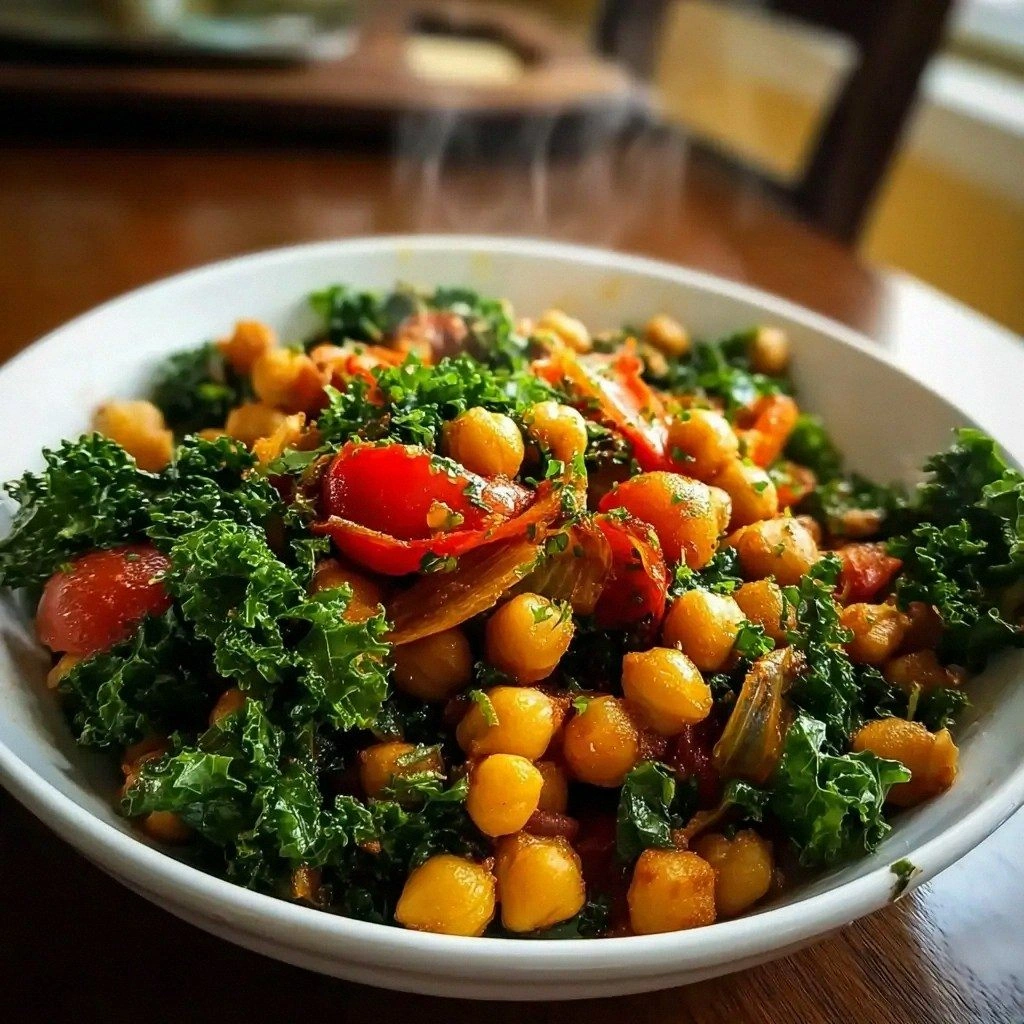
Use cooked chickpeas instead of chicken for a protein‑rich, plant‑based option. Keep the rest of the ingredients the same for a familiar flavor profile. This vegan version is surprisingly hearty.
Pineapple Paradise
Add diced fresh pineapple for a sweet, tropical burst. The pineapple’s acidity balances the curry and yogurt, creating a harmonious flavor. This version is a tropical escape on a plate.
Storing and Bringing It Back to Life
Fridge Storage
Store the salad in an airtight container for up to 48 hours. Keep the dressing separate if you prefer a crisp texture; mix just before serving. The salad’s flavors intensify over time, making it even more delicious.
Freezer Friendly
The salad can be frozen for up to 2 weeks. Freeze the dressing in a separate container to prevent sogginess. Thaw in the refrigerator overnight and give it a good stir before serving.
Best Reheating Method
If you need to reheat, add a splash of water or yogurt to the salad and gently warm it in a pan over low heat. This steams the salad back to perfection, preserving its texture and flavor. Avoid microwaving, which can break down the dressing.