I was standing in my kitchen, eyes glued to the sizzling pan, when the clock suddenly chimed 7 pm and I realized I had burned the rice. The charcoal smell, the frantic flick of the flame, the desperate scramble for a backup dish—all of it felt like a culinary nightmare. But then I remembered the little jar of soy sauce on the counter, the block of tofu I’d bought earlier, and a handful of mushrooms that had been sitting in the fridge, ready to be turned into something spectacular. That moment sparked a daring idea: a mushroom and tofu stir‑fry that would not only rescue the evening but also become the new go‑to comfort food in my household.
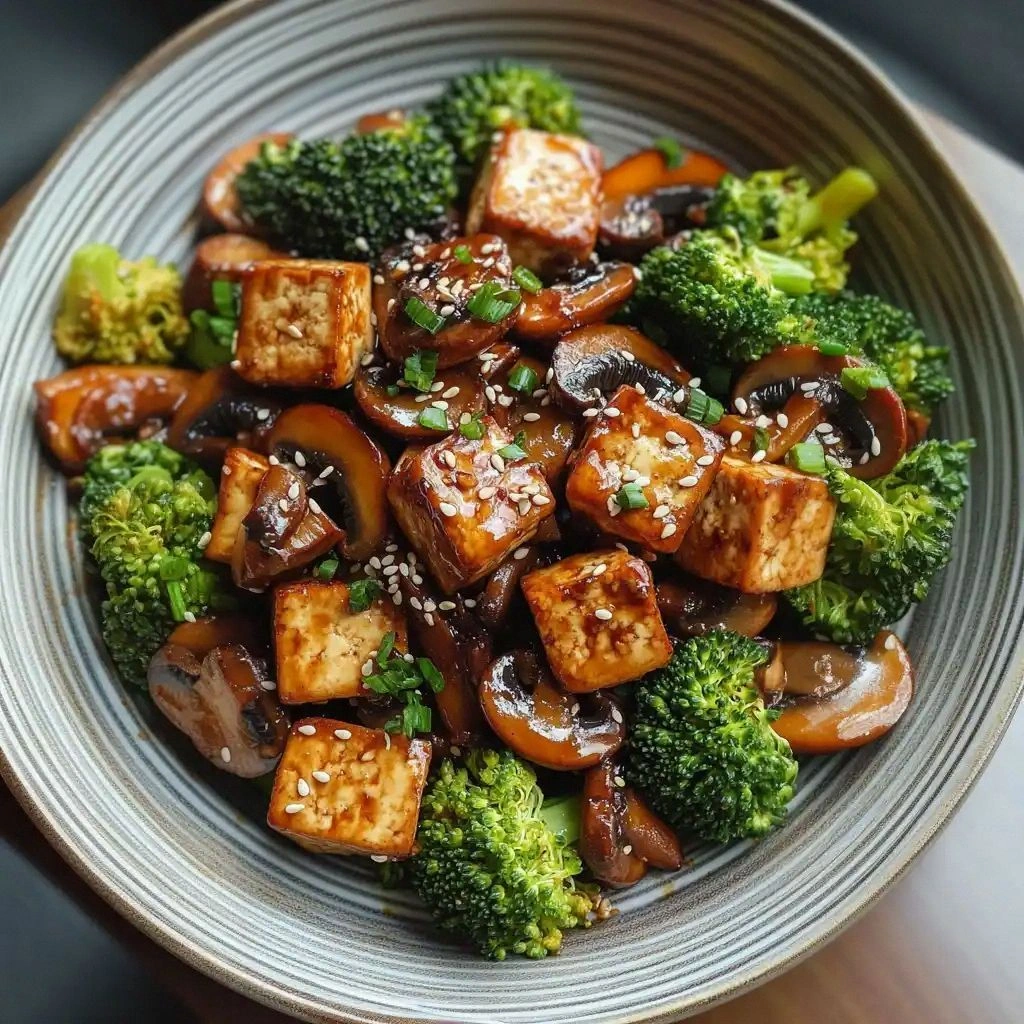
Picture the first bite: the tofu, crisp on the edges, soft inside; the mushrooms, caramelized to a deep mahogany hue, releasing their earthy aroma; the snap peas and broccoli popping with a satisfying crunch. The sauce, a glossy blend of soy, maple syrup, and rice vinegar, coats every piece like velvet, while the sesame oil adds a nutty undertone that lingers. The kitchen hums with the rhythmic hiss of the wok, the clink of the ladle, and the subtle pop of garlic and ginger as they sauté. Your senses are bombarded with warmth, aroma, and that unmistakable “I’m about to taste something amazing” anticipation.
What makes this version a game‑changer is that it balances bold flavors with a simple technique that even novice cooks can master. The tofu is pressed and cubed to absorb the sauce, while the mushrooms are sliced thick enough to hold their shape. The sauce is thickened with a cornstarch slurry, giving it that silky sheen without turning it into a stew. The result is a dish that is simultaneously comforting, vibrant, and ready in under 30 minutes—an ideal solution for busy weeknights.
I dare you to taste this and not go back for seconds. The next section will reveal why this recipe stands out from the countless other stir‑fry recipes you’ve probably tried. Let me walk you through every single step—by the end, you’ll wonder how you ever made it any other way.
What Makes This Version Stand Out
- Flavor Depth: The sauce balances sweet maple syrup, tangy rice vinegar, and umami soy, creating a complex profile that lingers on the palate.
- Texture Contrast: Crispy tofu edges meet tender mushrooms, while snap peas and broccoli provide a satisfying snap that keeps the dish lively.
- Time Efficiency: Every component is prepped in advance, allowing the actual cooking to take no longer than 30 minutes.
- Ingredient Quality: Using fresh ginger and garlic, and selecting firm tofu, elevates the dish from ordinary to extraordinary.
- Visual Appeal: The glossy sauce, bright green veggies, and pop of sesame seeds create a dish that looks as good as it tastes.
- Make‑Ahead Potential: The sauce can be prepared a day ahead and stored, making it a perfect weeknight solution.
- Versatility: The base can be swapped for different proteins or vegetables, making it a canvas for creative variations.
Inside the Ingredient List
The Flavor Base
The sauce is the heart of this dish. Soy sauce provides umami, while rice vinegar adds a subtle acidity that brightens the flavor. Maple syrup (or honey) brings a natural sweetness that balances the saltiness, and sesame oil adds a toasted, nutty aroma. If you’re vegan, use a plant‑based soy sauce and maple syrup; the result is just as delicious.
The Texture Crew
Firm tofu is the star protein—its dense flesh holds up to the stir‑fry heat and absorbs the sauce beautifully. The mushrooms, sliced into ½‑inch thick pieces, develop a caramelized crust that adds a savory depth. Snap peas and broccoli florets are added last to preserve their crunch, giving the dish a lively bite. Skipping any of these textures will change the dish’s overall feel.
The Unexpected Star
Red pepper flakes, though a small component, inject a subtle heat that awakens the palate. Sesame seeds garnish the final dish, adding a delicate crunch and a nutty finish. If you prefer a milder dish, reduce the flakes to a pinch; for a fiery version, double the amount.
The Final Flourish
A splash of cornstarch mixed with water thickens the sauce into a glossy glaze that clings to every ingredient. Green onions finish the dish with a fresh, sharp note that cuts through the richness. This finishing touch transforms the stir‑fry from simple to memorable.
Everything's prepped? Good. Let's get into the real action…
The Method — Step by Step
- First, heat a large wok or skillet over medium‑high heat until it starts to shimmer. Add the vegetable oil and swirl to coat the surface. This step is crucial; the pan must be hot enough to sear the tofu and mushrooms quickly, preventing them from steaming.
- Place the pressed tofu cubes in the pan in a single layer, letting them brown on all sides. Flip them gently with a spatula once the edges turn golden. The tofu should develop a crisp crust; if it starts to stick, lower the heat slightly.
- Remove the tofu to a plate and set aside. In the same pan, add the sliced mushrooms, letting them sit undisturbed for 2 minutes before stirring. This allows them to caramelize and release their juices. The aroma should become nutty and inviting.
- Add the minced garlic and grated ginger to the mushrooms. Sauté for 30 seconds until fragrant, being careful not to let them burn. The sizzling sound signals that the aromatics are ready to infuse the dish.
- Stir in the soy sauce, rice vinegar, and maple syrup, and let the mixture bubble for a minute. This is the moment of truth—watch the sauce deepen in color. If the mixture looks too thin, add the cornstarch slurry and whisk until thickened. The sauce should coat the back of a spoon.
- Return the tofu to the pan and toss to coat with the sauce. Add the bell pepper, snap peas, and broccoli florets. Stir‑fry for 3–4 minutes, until the vegetables are tender yet still crisp. The dish should smell toasty and the edges of the veggies should start pulling away.
- Sprinkle the red pepper flakes and sesame seeds, then give everything a final toss. The flakes should distribute evenly, adding a gentle heat. The sesame seeds should give a subtle crunch when you bite into the dish.
- Remove the wok from heat, garnish with chopped green onions, and serve immediately over steaming rice or noodles. The dish is best enjoyed hot, with the sauce still glossy and the veggies vibrant.
That’s it—you did it. But hold on, I’ve got a few more tricks that will take this to another level…
Insider Tricks for Flawless Results
The Temperature Rule Nobody Follows
Maintaining a high heat throughout the process is key to achieving a caramelized exterior on tofu and mushrooms. If the pan is too cool, the ingredients will steam instead of sear, resulting in a soggy texture. A quick test: drop a few drops of water into the pan; if they sizzle and evaporate instantly, the heat is right.
Why Your Nose Knows Best
Before adding the soy sauce, close your eyes and inhale deeply. The aroma of fresh garlic and ginger will give you a baseline. When you add the sauce, the scent should shift to a sweet, umami-rich perfume. If it feels off, adjust the balance of soy and maple syrup.
The 5‑Minute Rest That Changes Everything
After cooking, let the stir‑fry rest for 5 minutes off the heat. This allows the flavors to meld and the sauce to thicken slightly. The rest period also gives the tofu a chance to settle, preventing it from breaking apart when you plate the dish.
The Quick Toss
When adding the vegetables, toss them just enough to coat with sauce, but not so much that they tumble and break. A gentle toss keeps the veggies intact and ensures even cooking.
The Garnish Game
A sprinkle of sesame seeds and chopped green onions not only adds visual appeal but also a burst of fresh flavor. For a smoky twist, lightly toast the sesame seeds before adding them.
Creative Twists and Variations
This recipe is a playground. Here are some of my favorite ways to switch things up:
Citrus Zest Surprise
Add a tablespoon of orange zest and a splash of fresh orange juice to the sauce. The citrus brightens the dish, making it feel lighter and more refreshing—perfect for summer evenings.
Spicy Peanut Kick
Stir in a tablespoon of creamy peanut butter and a teaspoon of sriracha. The peanut butter adds a rich, nutty depth while the sriracha gives a fiery punch that pairs well with the tofu.
Mushroom Medley
Replace the sliced button mushrooms with a mix of shiitake, oyster, and portobello for a more complex umami profile. Each mushroom type brings its own texture and flavor, creating a more layered dish.
Herb‑Infused Variation
Add a handful of fresh basil or mint just before serving. The herbs introduce a fresh, aromatic note that contrasts nicely with the savory sauce.
Protein Swap
Swap tofu for tempeh, seared tofu for a protein‑rich tempeh, or even diced tempeh for a different bite. The firm texture of tempeh works well with the sauce, providing a slightly nutty flavor.
Low‑Carb Edition
Serve the stir‑fry over cauliflower rice instead of regular rice. The cauliflower adds bulk without the carbs, making it a great option for keto or low‑carb diets.
Storing and Bringing It Back to Life
Fridge Storage
Place the cooked stir‑fry in an airtight container and refrigerate for up to 3 days. The sauce will thicken slightly, but a quick stir before reheating will restore its glossy sheen.
Freezer Friendly
Store in a freezer‑safe container for up to 2 weeks. When ready to eat, thaw overnight in the fridge and reheat in a skillet over medium heat, adding a splash of water to loosen the sauce.
Best Reheating Method
Reheat over medium heat, stirring constantly until hot. A tiny splash of water or broth helps steam the dish back to its original moisture level, preventing dryness.