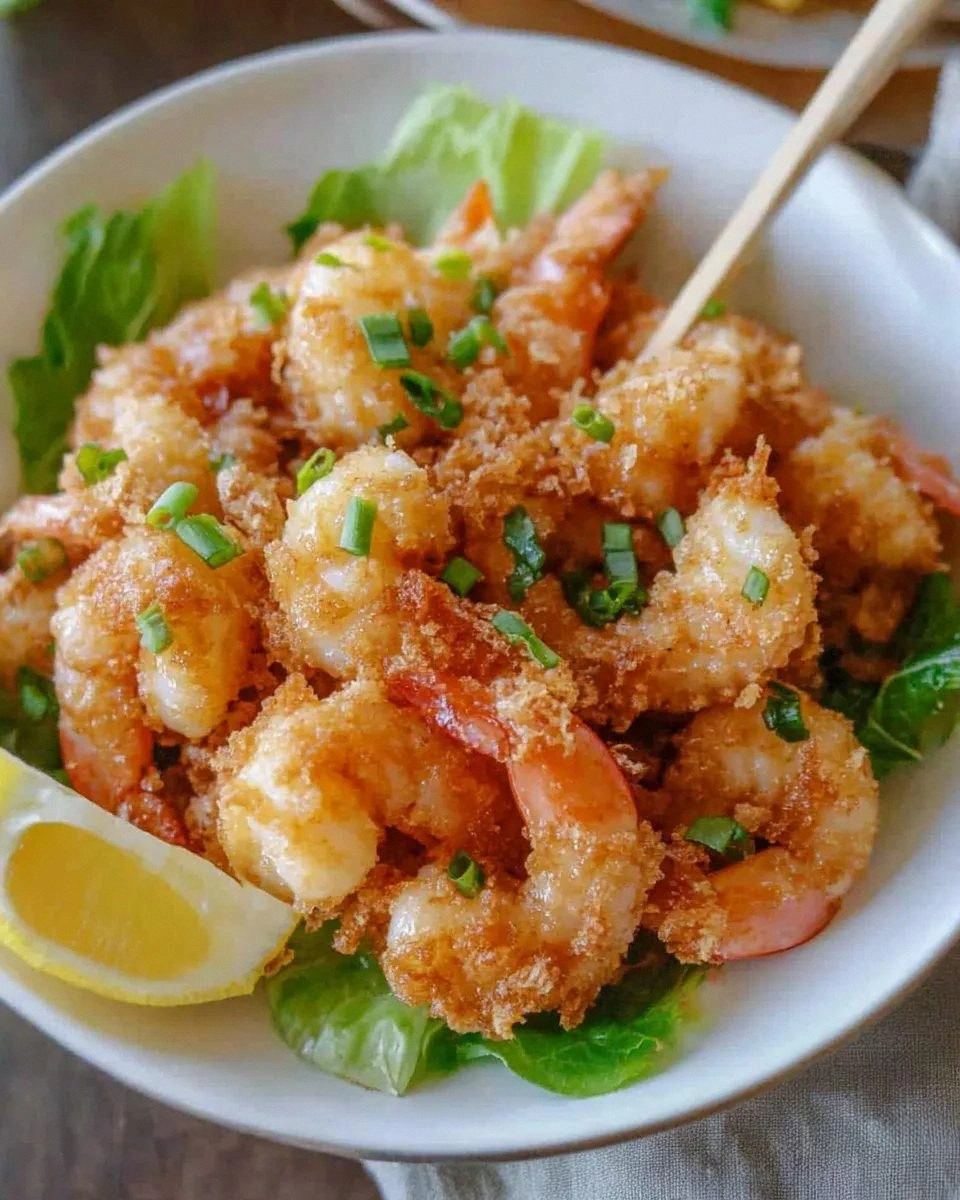
Picture this: it is Sunday afternoon, the sky outside looks like a wet wool blanket, and your phone just pinged with a winter-storm warning. Instead of panicking and speed-buying instant ramen like a college freshman, you dump a mountain of vegetables into your slow cooker, add one sneaky pantry staple, and eight hours later you are cradling a bowl that tastes like your grandmother hugged a rainbow. That is not fantasy; that is the Tuesday that changed my life, and it is exactly why I am typing at light-speed to get this recipe into your hands before the next cold front rolls in.
I used to think vegetable soup was punishment food—something you ate when the scale screamed or when the budget squeaked. My early attempts tasted like hot lawn clippings: watery, joyless, and the color of dishwater. Then my neighbor Rosa, who grows tomatoes the size of softballs, bet me a homemade pie that I could not make a vegetable soup that made me moan out loud. Challenge accepted, dignity on the line. I spent three weeks testing, burnt garlic in three slow cookers, and ate more celery than a spa rabbit. The winning batch happened at 2 a.m. when I accidentally knocked smoked paprika into the pot and decided sheer exhaustion counted as a culinary technique. One spoonful later I was doing a barefoot kitchen dance and scaring the cat.
Here is the magic: the slow cooker robs vegetables of their squeaky, school-cafeteria reputation and turns them into velvet. Sweet carrots become honeyed coins, potatoes dissolve into silken clouds, and tomatoes collapse into a tangy bass note that holds the whole symphony together. The trick is layering flavor before the lid ever claps shut—no sad boiled veggies on my watch. We are talking quick caramelized onions, a dab of tomato paste seared until it turns brick-red, and a single bay leaf that stealth-bombs the broth with woodland perfume. If you have ever struggled with vegetable soup that tastes like hot water with floating croutons, you are not alone—and I have the fix.
Let me walk you through every single step—by the end, you will wonder how you ever made it any other way. Grab your biggest wooden spoon and that slow cooker you swore you would use more; we are about to turn humble produce into liquid comfort that freezes like a dream, feeds a crowd for pocket change, and makes your house smell like you have your life together even when the laundry mountain has its own weather system.
What Makes This Version Stand Out
Depth Without Meat: Most meatless soups taste like someone waved a carrot over hot water. We build a flavor base so rich you will not miss the ham bone. Between caramelized tomato paste, smoked paprika, and a whisper of soy sauce for umami, this broth fools even devoted carnivores.
Dump-and-Go Lie: Okay, I fib a little in the title—you do need ten minutes of active love. But those ten minutes of sizzling aromatics translate into a 99% hands-off afternoon. Think of it as speed-dating your vegetables before committing to an eight-hour slow-cooker marriage.
Texture Heaven: Half the potatoes are mashed into the broth for creaminess, while the rest stay chunky so every spoonful feels like treasure hunting. No sad, slippery cubes here—just velvety gravy punctuated by bite-sized jewels.
Zero-Waste Victory: This recipe laughs at fridge orphans. Wrinkled zucchini? In. Slightly bendy carrots? Dice them. That quarter cabbage you forgot about? Shred city. You will save money and feel smug about your sustainability game.
Freezer Shape-Shifter: Portion it into muffin tins, freeze, then pop out soup pucks. Weeknight dinner becomes a two-minute microwave miracle, and you will look like a meal-prep genius without ever owning a matching set of glass containers.
Leftover Glow-Up: Day three, stir in a handful of spinach and a squeeze of lemon—tastes like brand-new soup. Or blend leftovers with a can of white beans for instant creamy veggie chowder that fools picky kids into thinking heavy cream happened.
Alright, let us break down exactly what goes into this masterpiece...
Inside the Ingredient List
The Flavor Base
Onions are the underground PR agents of the soup world—when you slowly coax them into gold, they sweet-talk every other vegetable into tasting better. I use yellow onions for their balance of sugar and sulfur; skip red unless you want purple-tinged broth that looks like a science experiment. Dice them small so they melt into the background rather than hanging around in rude chunks. If you are prone to onion tears, chill the bulb in the freezer for ten minutes first; the cold slows the sulfur enzymes that make you weep like you just watched a puppy-rescue commercial.
Garlic goes in two stages: half gets sautéed for nutty depth, the other half is added raw at the end for a bright pop that wakes up the sleepy long-cooked flavors. Buy whole heads, not the pre-peeled stuff swimming in citric acid; the latter tastes like sour rain. Smash, peel, and mince—do not use that jarred paste unless you want your soup to carry a faint metallic aftertaste that ruins the whole story.
Tomato paste is the secret sauce nobody expects in vegetable soup. We are talking two tablespoons, fried in olive oil until it turns the color of terracotta roof tiles. That caramelization removes the tinny edge and leaves behind a jammy sweetness that anchors the broth like a bass drum. If you only have canned crushed tomatoes, reduce them in a skillet first; watery paste equals watery soup, and we are not here for that betrayal.
The Texture Crew
Potatoes are the bodyguards of texture: Yukon Golds dissolve into creamy clouds, while baby reds hold their shape like tiny Spartan shields. Use both for a soup that feels luxe yet rustic. Peel only half of them; the skins add earthiness and save you from kitchen boredom. Cut into ½-inch cubes—too small and they vanish, too big and they bully your spoon.
Carrots bring candy-shop sweetness, but only if you buy them whole. Those "baby" carrots in the bag are just shaved-down giants soaked in chlorine; they taste like swimming-pool sadness. Look for bunches with bushy tops still attached, a sign they were yanked from the ground recently rather than languishing in refrigerated trucks. If the tops are wilted, the carrots are already half-dead—pass.
Celery adds herbal backbone, but the leaves are the real treasure. Chop the stalks for the long cook, then shower the finished soup with the feathery leaves right before serving. They give a bright, almost grassy note that makes the broth taste garden-fresh even after eight hours of bubbling.
The Unexpected Star
Smoked paprika is the game-changer that makes omnivores ask, "Are you sure there is no bacon in this?" It is simply sweet paprika kissed by oak smoke, and it turns the broth into liquid campfire. Start with one teaspoon; you can always add more, but you cannot un-smoke a soup that tastes like you licked an ashtray. Store it in the freezer to keep the volatile oils from fading into paprika-scented dust.
Soy sauce sounds bonkers, but two teaspoons add glutamates that mimic the depth usually supplied by ham hocks. Use the cheap stuff here; save your artisanal tamari for sushi. If you are gluten-free, swap in coconut aminos—nobody will know unless you announce it like a hipster prophet.
The Final Flourish
Frozen peas go in at the very end; their sugar turns them into tiny emerald bombs that pop in your mouth and remind you that summer exists somewhere beyond the frost on your windows. No need to thaw—just stir them in five minutes before serving and let the residual heat do the work. Skip canned peas unless you enjoy mush that tastes like library paste.
Lemon juice is the lightning bolt that makes every flavor stand up and salute. Add it off heat; otherwise the citrus oils taste flat and the soup turns a murky brown. Zest a little of the peel too—the oils live in the skin, and they smell like sunshine captured in a fruit. If your lemon has been sitting in the fridge since the Bronze Age, microwave it for ten seconds first; warm citrus releases more juice.
Everything is prepped? Good. Let us get into the real action...
The Method — Step by Step
Heat a large skillet over medium-high heat until a drop of water skitters like tap dancers on a hot plate. Add two tablespoons of olive oil and swirl to coat; the shimmer should look like liquid gold under noon sun. Toss in the diced onions with a pinch of salt—this draws out moisture and speeds caramelization. Stir every minute for five minutes; you want translucent edges with a few bronzed bits, not charcoal briquettes. The smell should make you close your eyes and sigh; that is the sulfur compounds breaking down into sweet, nutty perfume.
Clear a hot-tub-sized space in the center of the pan and dollop in the tomato paste. Let it sizzle undisturbed for ninety seconds; you are looking for a color shift from bright ketchup to brick-red clay. Stir to marry the paste with the onions; the mixture will look like rusty, aromatic confetti. This step burns off the metallic tang and awakens the natural sugars, turning the base into a flavor rocket. If it starts to stick like clingy exes, deglaze with a splash of broth and scrape every brown bit—that is pure umami gold.
Add the minced garlic, smoked paprika, and dried thyme. Stir like you mean it for thirty seconds; garlic burns faster than gossip spreads, so do not wander off to answer texts. The paprika will paint the onions a dusty rose and release a smoky perfume that makes you want to bottle it as cologne. You are essentially making a quick sofrito, the Spanish secret weapon that turns humble vegetables into opera. Pull the skillet off heat the moment the garlic turns fragrant; residual heat will finish the job while you hustle to the slow cooker.
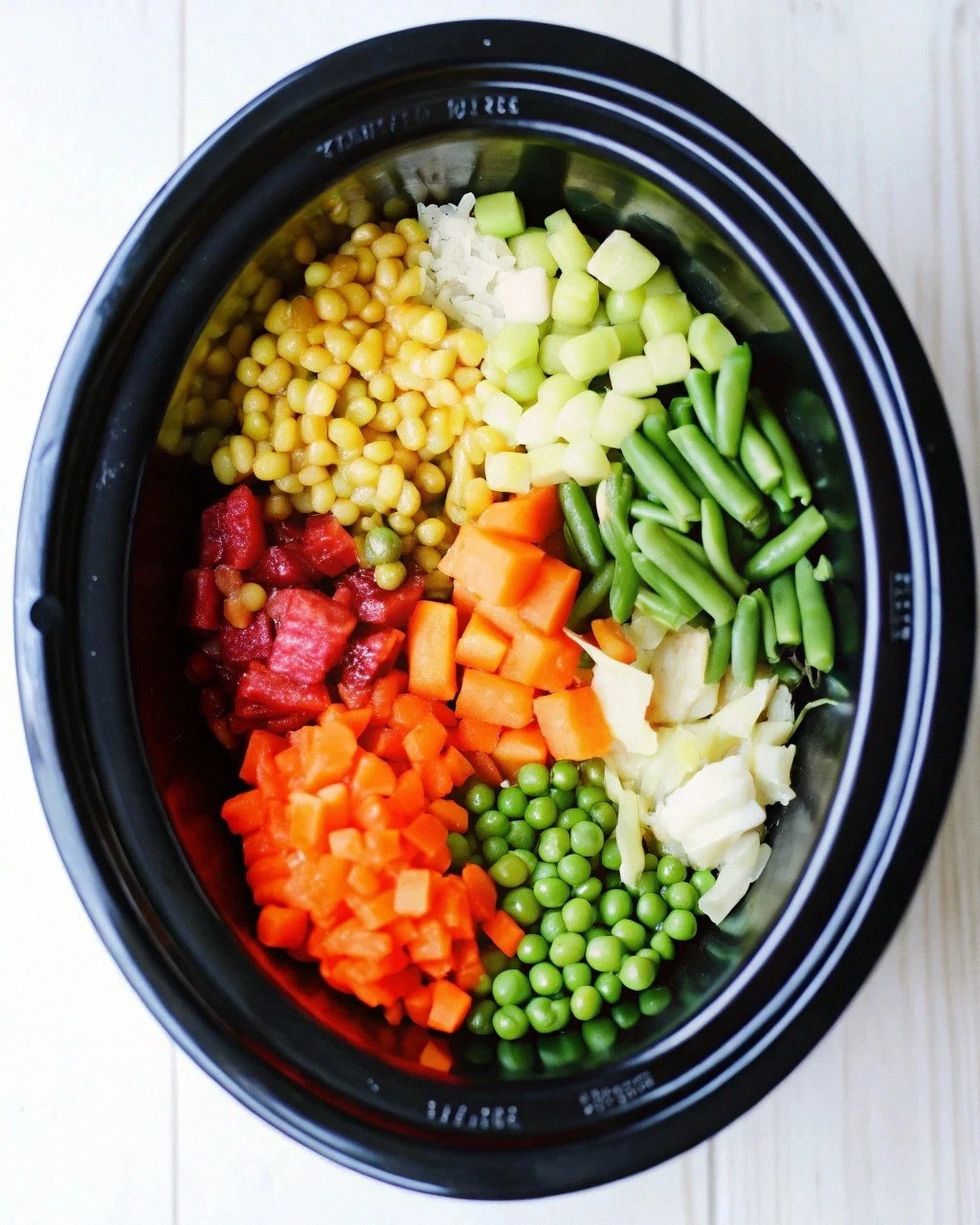
Transfer the onion mixture to the slow cooker, then start layering vegetables by cook-time density. Root vegetables (potatoes, carrots, parsnips if you are feeling fancy) go in first—they need the longest heat to turn creamy. Follow with softer troops: zucchini, bell pepper, and celery. Think of it as a vegetable mosh pit where everyone gets along; crowding is fine because they will shrink into a communal stew. Season each layer with a whisper of salt; building seasoning in stages prevents the dreaded end-game over-salting that tastes like seawater.
Pour in the vegetable broth until it just covers the vegetables by half an inch; they will release their own juices, so resist the urge to flood the pool. Add the bay leaf, the Parmesan rind if you are using it, and the soy sauce. Stir once, clockwise if you are superstitious—this is comfort food, not a chemistry exam. Lid on, heat set to low, and walk away for six to eight hours. The kitchen will start smelling like someone opened a countryside inn, and your neighbors may drop by with empty bowls and hopeful eyes.
At hour six, open the lid and inhale deeply; the scent should wrap around your shoulders like a fleece blanket fresh from the dryer. Fish out the bay leaf and any visible Parmesan rind—it has done its duty and will now taste like chewy cardboard if someone accidentally bites it. Using a potato masher, smash about a third of the vegetables directly in the pot; this releases starch and turns the broth creamy without adding dairy. If you prefer silky-smooth, ladle half into a blender, but I like rustic with texture surprises. Taste and adjust salt; the soup should sing, not scream.
Crank the heat to high and stir in the frozen peas and corn; they need only five minutes to heat through and keep their candy-like pop. Add a fistful of chopped spinach or kale if you crave emerald confetti; the residual heat wilts greens without turning them into Army drab. Squeeze in the lemon juice and grate a whisper of zest; the citrus oils will make the whole pot smell like you have been scrubbed by Mediterranean sunshine. Let everything mingle for two minutes, then kill the heat. The colors should look like a stained-glass window: ruby tomatoes, jade peas, amber broth.
Ladle into deep bowls and finish with a drizzle of good olive oil—this adds lip-smacking richness and a glossy top that photographs like a magazine spread. Shower with celery leaves or parsley for a chlorophyll punch that screams fresh even though everything stewed for hours. Serve with crusty bread for mopping, or ladle over cooked barley if you want to stretch it into a grain bowl. I dare you to taste this and not go back for seconds; I have lost that bet exactly zero times.
That is it—you did it. But hold on, I have got a few more tricks that will take this to another level...
Insider Tricks for Flawless Results
The Temperature Rule Nobody Follows
Your slow cooker runs 30-50 degrees cooler on the side nearest the heating element, so rotate the insert halfway through if you want even cooking. I mark the handle with a piece of tape and give it a 180-degree spin at hour four; this prevents the dreaded mushy half and crunchy half. If you are asleep or at work, do not panic—just stir once when you get home; the soup forgives you like a loyal dog.
Why Your Nose Knows Best
If the soup smells flat after six hours, it needs acid; if it smells sharp, it needs sweetness. Add a teaspoon of honey or maple syrup to tame aggressive tomato tang, or splash more lemon if it tastes like cardboard. Your olfactory bulb is basically a built-in pH meter—trust it more than any recipe card.
The Five-Minute Rest That Changes Everything
Once the cooker switches to warm, let the soup nap for five minutes with the lid slightly ajar. This allows steam to escape and concentrates flavors the same way a steak benefits from a rest. A friend tried skipping this step once; let us just say the broth tasted like vegetable tea. Patience, grasshopper.
Spice Timing Secrets
Dried herbs go in at the beginning; fresh herbs go in at the end. Dried thyme needs heat to release woodsy oils, but fresh parsley added too early turns into swamp confetti. I keep a mini herb garden on the windowsill just so I can snip and shower at the last second; the aroma cloud is my version of aromatherapy.
Creative Twists and Variations
This recipe is a playground. Here are some of my favorite ways to switch things up:
Moroccan Sunset
Swap smoked paprika for harissa paste, add a cinnamon stick, and throw in a handful of dried apricots during the last hour. The broth turns brick-red with a honeyed heat that makes you dream of tagines. Finish with fresh cilantro and a squeeze of orange juice for a soup that tastes like Marrakech at dusk.
Coconut Curry Paradise
Replace half the broth with full-fat coconut milk, stir in a tablespoon of red curry paste, and add sweet potato cubes. The result is creamy, fragrant, and glows like liquid topaz. Top with toasted coconut flakes and a few drops of fish sauce for a Thai-inspired hug in a bowl.
Smoky Southwest
Add a chipotle pepper in adobo sauce, a cup of frozen corn, and a can of black beans. Finish with lime juice and chopped cilantro; serve with tortilla chips crumbled on top like edible confetti. It tastes like a vegetarian chili met a soup and had a beautiful baby.
Italian Wedding Crasher
Stir in mini turkey or plant-based meatballs during the last hour, plus a handful of orzo. The pasta drinks up the broth and turns the soup into a meal that even teenagers inhale. Shower with grated Parmesan and watch the cheese lace into melty strings.
Green Goddess Detox
Load up with broccoli, zucchini, and spinach, then blend the finished soup until silky. Stir in Greek yogurt for protein and a swirl of pesto for herbaceous punch. It looks like Shrek’s smoothie but tastes like spring cleaning for your cells.
Harvest Moon
Swap potatoes for cubes of butternut squash, add a sprig of rosemary, and finish with toasted pumpkin seeds. The sweetness of the squash plays off the savory broth like a caramelized lullaby. Perfect for October nights when you want comfort without the food coma.
Storing and Bringing It Back to Life
Fridge Storage
Cool the soup completely before ladling into airtight containers; hot soup in a sealed box breeds bacteria faster than a science-fair potato experiment. It keeps five days in the fridge, but flavors deepen daily, so day three is peak deliciousness. Store in wide-mouth jars for easy microwave reheating without lava explosions.
Freezer Friendly
Ladle cooled soup into zip-top bags, press out air, and freeze flat like soup pancakes; they stack like books and thaw in minutes under warm water. Use within three months for best flavor—after that the potatoes get grainy and the peas turn Army green. Label with masking tape and a Sharpie, unless you enjoy mystery blocks that could be chili or blueberry compote.
Best Reheating Method
Add a splash of water or broth before reheating; the starch in potatoes thickens the soup as it sits, and you want silk, not spackle. Warm gently over medium heat, stirring occasionally, and finish with a fresh squeeze of lemon to wake up the flavors. Microwave works in a pinch—cover loosely and stir every minute to prevent volcanic eruptions on your desk.