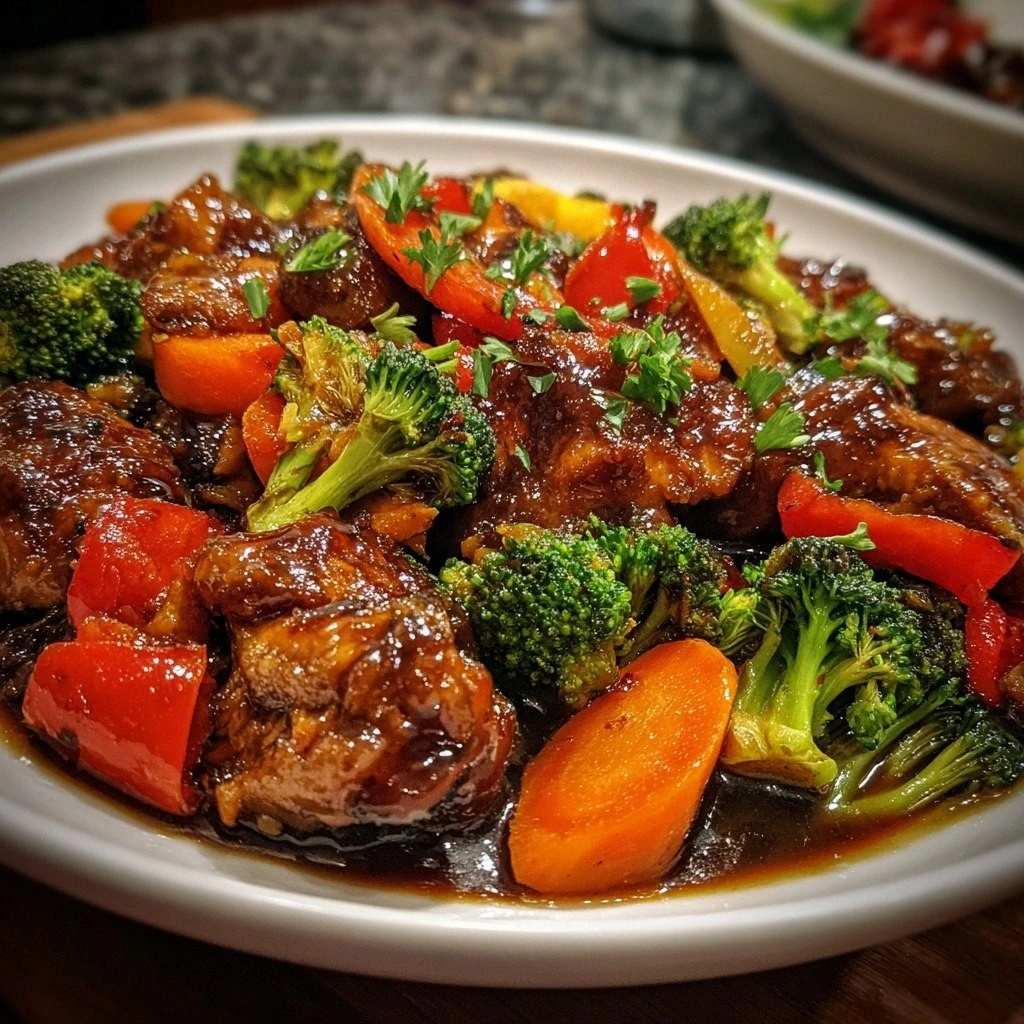
I remember the night I almost ruined dinner. A friend dared me to whip up a quick beef and broccoli stir‑fry that could be done in thirty minutes or less, and I stared at the fridge like it was a culinary black hole. The fridge was a maze of vegetables, a half‑sliced flank steak, a jar of oyster sauce that had seen better days, and a handful of noodles that looked like they belonged in a different decade. I opened the pantry, grabbed a handful of spices, and decided I would turn this chaos into a masterpiece. The moment the skillet hit the stove, the kitchen filled with a scent that felt like a promise: a savory, umami‑rich storm that would leave everyone begging for seconds.
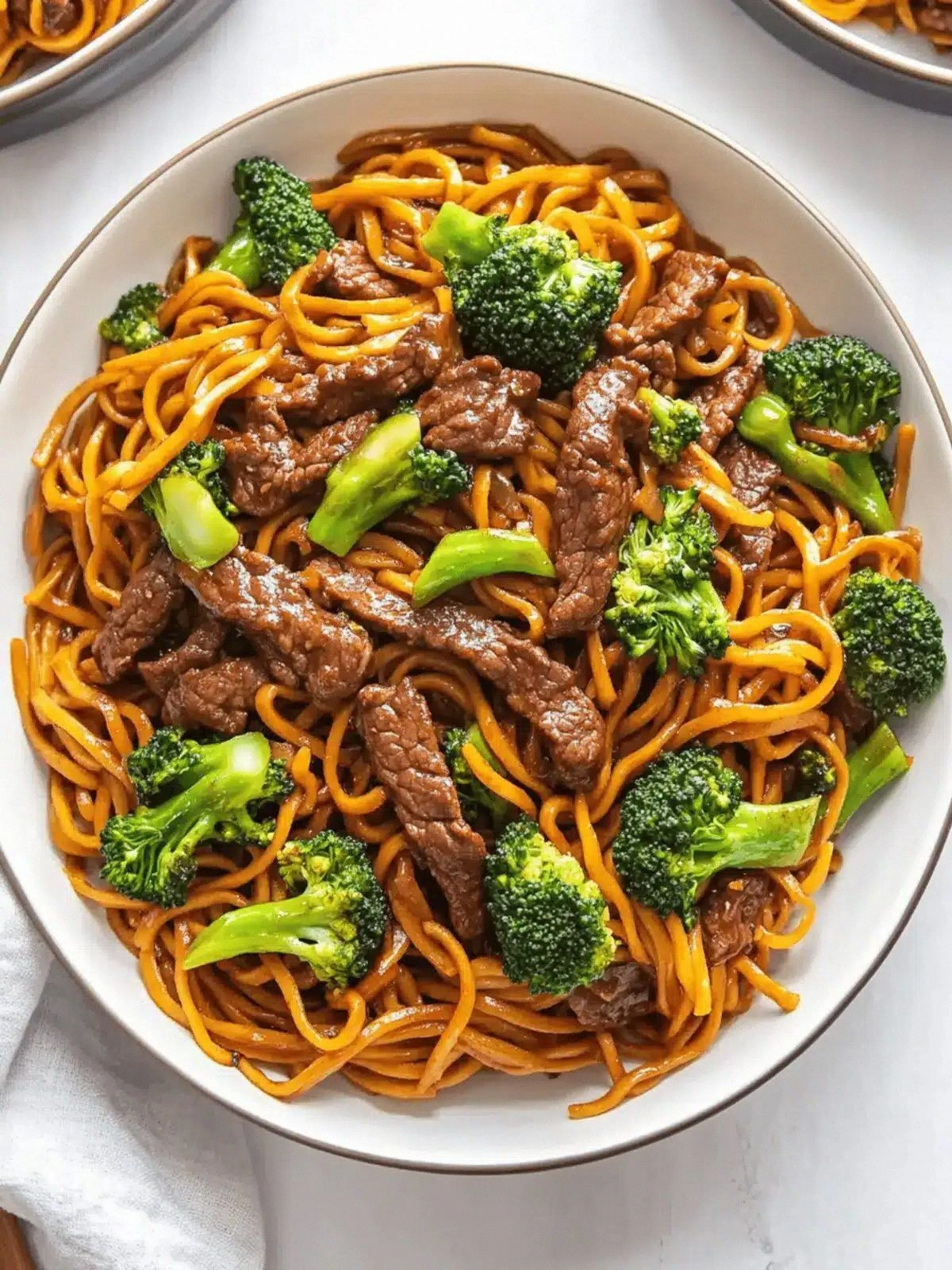
Picture this: the steak sizzles, sending a burst of sizzling sound that makes your ears ring like a jazz trumpet. The broth bubbles, releasing a fragrant steam that drifts into the corners of the room, mingling with the sharp aroma of garlic and ginger. The noodles, once limp, spring to life in a glossy coat of sauce, each strand shimmering like a tiny, edible river. The broccoli florets, crisp and bright green, pop against the deep reds of the sauce, creating a visual feast that feels like a painting on a plate. And the sesame oil, when added last, gives a subtle nutty finish that lingers on the tongue like a well‑played chord.
This version is different because it balances technique and flavor in a way that most recipes overlook. The flank steak is marinated with baking soda, a trick that tenderizes the meat in minutes without the need for a slow cooker or a long simmer. The sauce uses a combination of light soy, oyster sauce, and a splash of Shaoxing wine, giving it a depth that feels both familiar and exotic. The noodles are fresh lo mein, which absorb the sauce like a sponge, turning every bite into a harmonious blend of textures. The broccoli is blanched to maintain its crunch, then finished in the pan so it stays bright and fresh. All of these elements come together in a dish that is both quick to prepare and rich in flavor.
I dare you to taste this and not go back for seconds. Most recipes get this completely wrong, but here is what actually works. If you’ve ever struggled with a stir‑fry that tastes like a flat, soggy mess, you’re not alone — and I’ve got the fix. Picture yourself pulling this out of the pan, the whole kitchen smelling incredible, and the plate looking like a work of culinary art. This is hands down the best version you’ll ever make at home, and I’m going to walk you through every single step — by the end, you’ll wonder how you ever made it any other way.
What Makes This Version Stand Out
- Tenderness: The baking soda in the steak’s marination breaks down tough muscle fibers in just a few minutes, giving you a melt‑in‑your‑mouth texture that rivals a slow‑cooked dish.
- Depth of Flavor: The combination of light soy, oyster sauce, and Shaoxing wine creates a sauce that is both sweet and savory, with a subtle hint of sweetness that cuts through the saltiness.
- Speed: Every step can be completed in under thirty minutes, making this dish a perfect weeknight dinner that doesn’t sacrifice quality for convenience.
- Versatility: Swap out the flank steak for chicken, shrimp, or tofu, and the same sauce and technique will still deliver a delicious meal.
- Make‑ahead Friendly: The sauce can be prepared a day ahead and stored in the fridge, which means you can assemble the dish in minutes even on a busy night.
Alright, let's break down exactly what goes into this masterpiece. The next section will take you through each ingredient and why it matters.
Inside the Ingredient List
The Flavor Base
Light soy sauce and oyster sauce form the backbone of this dish. Light soy sauce offers a mild, salty kick that doesn’t overpower the other flavors, while oyster sauce adds a subtle sweetness and umami depth. Together, they create a sauce that coats the noodles like velvet, leaving each bite rich and satisfying. If you’re watching sodium, you can swap out the light soy sauce for a low‑sodium version, but keep the oyster sauce to preserve that essential depth.
The Texture Crew
Fresh lo mein noodles are the star of the show here. Their chewy consistency contrasts with the tender flank steak and crisp broccoli. If you can’t find lo mein, you can use any wide noodle, but be sure to rinse them under cold water after boiling to stop the cooking process. The blanched broccoli is critical for maintaining a bright green color and a satisfying snap. A quick blanch in salted boiling water for two minutes, followed by an ice bath, locks in the crunch and the vibrant color.
The Unexpected Star
Shaoxing wine is the unexpected hero that adds a subtle, nutty sweetness to the sauce. This Chinese cooking wine is similar to dry sherry but has a richer flavor profile. If you can’t find Shaoxing, a dry sherry or even a splash of rice wine will work, but the depth may be slightly different. This ingredient is what turns a simple stir‑fry into a dish that feels like it was cooked in a high‑end restaurant.
The Final Flourish
To finish, toasted sesame oil is drizzled over the completed dish. It adds a nutty aroma that elevates the entire flavor profile and gives the dish a polished, restaurant‑grade finish. A few drops of sesame oil can make the difference between a good stir‑fry and a great one. If you’re vegan, you can use a neutral oil and omit the sesame oil, though you’ll miss that final aromatic touch.
Everything's prepped? Good. Let's get into the real action.
The Method — Step by Step
- First, slice the flank steak into thin, bite‑size strips against the grain. This helps the meat stay tender and ensures even cooking. Slice it while the meat is still slightly cold for the best texture. Set the slices aside in a bowl and cover with plastic wrap.
- In the same bowl, whisk together 1 teaspoon of baking soda, 2 tablespoons of Shaoxing wine, 3 tablespoons of light soy sauce, 2 tablespoons of oyster sauce, and 1 teaspoon of white pepper. Stir until the baking soda is fully dissolved, which should take about 30 seconds. This creates a marination that tenderizes the steak while infusing it with flavor.
- Add the steak strips to the sauce and toss to coat evenly. Let the steak marinate for at least 10 minutes—no more than 30 minutes—to avoid the baking soda making the meat too soft. During this time, you can prep the rest of the ingredients.
- While the steak marinates, blanch the broccoli florets in a pot of boiling salted water for 2 minutes. Immediately transfer them to an ice bath to stop the cooking process. This step locks in color and crunch, so the broccoli remains a vibrant green and a delightful contrast to the savory sauce.
- Heat a wok or large skillet over high heat until it starts to smoke. Add 1 tablespoon of toasted sesame oil and swirl to coat the bottom. The oil should shimmer but not smoke excessively; this indicates the pan is hot enough for a good sear.
- Add the marinated steak to the pan in a single layer, letting it sear for 30 seconds before stirring. The steak should develop a dark brown crust on the edges, which adds a subtle caramelized flavor. Once seared, remove the steak from the pan and set aside. This prevents overcooking and keeps the meat juicy.
- In the same pan, add 2 cloves of minced garlic and 1 tablespoon of minced ginger. Sauté for 10–15 seconds until fragrant—watch the aromatics closely, as they can burn quickly and turn bitter. This step builds the foundation of the sauce’s aroma.
- Pour in 1 cup of low sodium chicken broth, scraping the bottom of the pan to lift any browned bits. Bring the broth to a gentle boil, then reduce to a simmer. This creates a flavorful base that will meld with the sauce.
- Return the steak to the pan and stir in the blanched broccoli. Toss everything together, ensuring the broccoli is coated in the sauce. Cook for 1–2 minutes until the broccoli is heated through.
- Add 1 tablespoon of cornstarch mixed with 2 tablespoons of cold water to the pan. Stir quickly to prevent lumps. This thickens the sauce, giving it a glossy sheen that clings to the noodles.
- Meanwhile, cook the lo mein noodles in a separate pot of salted boiling water for 3–4 minutes until al dente. Drain and rinse under cold water to stop the cooking process. Toss the noodles with a splash of sesame oil to prevent sticking.
- Add the cooked noodles to the pan, tossing everything together until the noodles are evenly coated and heated through. The sauce should cling to each strand, creating a harmonious blend of flavors.
- Taste the dish and adjust seasoning if needed—add a pinch of white pepper or a splash of soy sauce to suit your palate. Serve immediately, garnished with a sprinkle of toasted sesame seeds if desired.
That's it — you did it. But hold on, I've got a few more tricks that'll take this to another level.
Insider Tricks for Flawless Results
The Temperature Rule Nobody Follows
Heat is the secret weapon in stir‑fry cooking. The pan must be hot enough to sear the meat instantly; otherwise, the steak will steam and lose its desirable crust. Use a drop of water in the pan—if it sizzles and evaporates immediately, the temperature is right. This trick ensures a caramelized surface that adds depth to the flavor.
Why Your Nose Knows Best
During cooking, pay close attention to the aromas. The first scent you smell will be garlic and ginger; the second will be the soy and oyster sauce; the third will be the steak. If you notice a metallic or burnt smell, stop the pan immediately. Your nose is your best ally in preventing overcooking.
The 5-Minute Rest That Changes Everything
After you finish cooking, let the dish rest on a warm plate for five minutes. This allows the flavors to meld and the sauce to settle, preventing the noodles from becoming soggy. It also gives the meat a chance to redistribute its juices, keeping each bite juicy.
The Quick Blanch Trick
If you’re short on time, blanch the broccoli in a microwave. Place the florets in a microwave-safe bowl with a splash of water, cover, and microwave on high for 2 minutes. This method preserves color and crunch while saving precious minutes.
The Secret to Non-Sticky Noodles
After boiling the noodles, rinse them under cold water and toss with a teaspoon of sesame oil. This prevents the noodles from sticking together and gives them a subtle shine that enhances the dish’s visual appeal.
The One-Ingredient Swap
If you’re vegan, swap the flank steak for sliced tofu. Press the tofu to remove excess moisture, then marinate it with the same sauce. The tofu will absorb the flavors beautifully, and the dish will still deliver that satisfying texture.
Creative Twists and Variations
This recipe is a playground. Here are some of my favorite ways to switch things up:
Spicy Sriracha Kick
Add a tablespoon of sriracha to the sauce for a fiery heat that balances the sweetness. The heat will cut through the richness of the sesame oil, creating a dynamic flavor profile. This version is perfect for those who love a little bite.
Mushroom Medley
Sauté sliced shiitake or cremini mushrooms with the garlic and ginger before adding the broth. The mushrooms absorb the sauce, adding earthy depth. This variation works well for a vegetarian twist.
Coconut Cream Finale
Stir in a splash of coconut milk at the end for a creamy, tropical twist. The coconut milk pairs beautifully with the soy sauce, creating a rich, velvety texture. This version is a crowd‑pleaser for those who enjoy a bit of indulgence.
Pineapple Pine
Add a handful of fresh pineapple chunks for a sweet, tropical contrast. The pineapple’s acidity brightens the dish and adds a juicy burst of flavor. This variation is great for a summery dinner.
Sesame Crust Upgrade
Before adding the steak to the pan, coat the strips in toasted sesame seeds. The seeds create a crunchy exterior that adds a delightful texture. This upgrade is perfect for those who love a bit of crunch.
Quinoa Bowl
Serve the stir‑fry over a bed of quinoa instead of noodles. The quinoa’s nutty flavor complements the sauce, while providing a protein boost. This version is ideal for a wholesome, balanced meal.
Garlic‑Infused Broth
Increase the garlic to 4 cloves and let it simmer in the broth for 5 minutes before adding the steak. The broth will carry a deeper garlic flavor that permeates every bite. This tweak is perfect for garlic lovers.
Storing and Bringing It Back to Life
Fridge Storage
Store the dish in an airtight container for up to 3 days. Keep the noodles separate from the sauce if possible to maintain texture. When reheating, add a splash of water or broth to rehydrate the noodles and prevent them from drying out.
Freezer Friendly
The dish freezes well for up to 2 weeks. Portion into individual servings and seal in freezer bags. When ready, thaw overnight in the fridge and reheat in a skillet with a splash of water.
Best Reheating Method
Reheat on medium heat, stirring frequently. Add a tiny splash of water or broth to steam the noodles back to their original softness. Finish with a drizzle of sesame oil to restore the aromatic finish.