I was halfway through a Sunday brunch when my oven betrayed me and the cake collapsed like a bad joke. The batter had risen, the edges had browned, but the center sagged into a sad, soggy mess that made me curse the very idea of Italian desserts. I stared at the ruined loaf, heart sinking, and then I thought, “If I can’t trust the oven, I’ll trust the recipe.” That moment of culinary crisis turned into a mission: to create the ultimate Italian lemon custard cake that would rise to perfection every single time.
Picture the kitchen: the air is thick with the scent of freshly ground coffee, the gentle hum of the refrigerator, and the faint tang of citrus from a half‑sliced lemon perched on the counter. I can almost feel the cool marble of the mixing bowls, hear the rhythmic clack of the whisk against the silicone spatula, and taste the sweet promise of the batter as it swirls. The light from the windows catches on the glint of butter, painting a golden halo around the bowl. The anticipation is almost tangible—like the pause before a drumroll in a suspenseful movie.
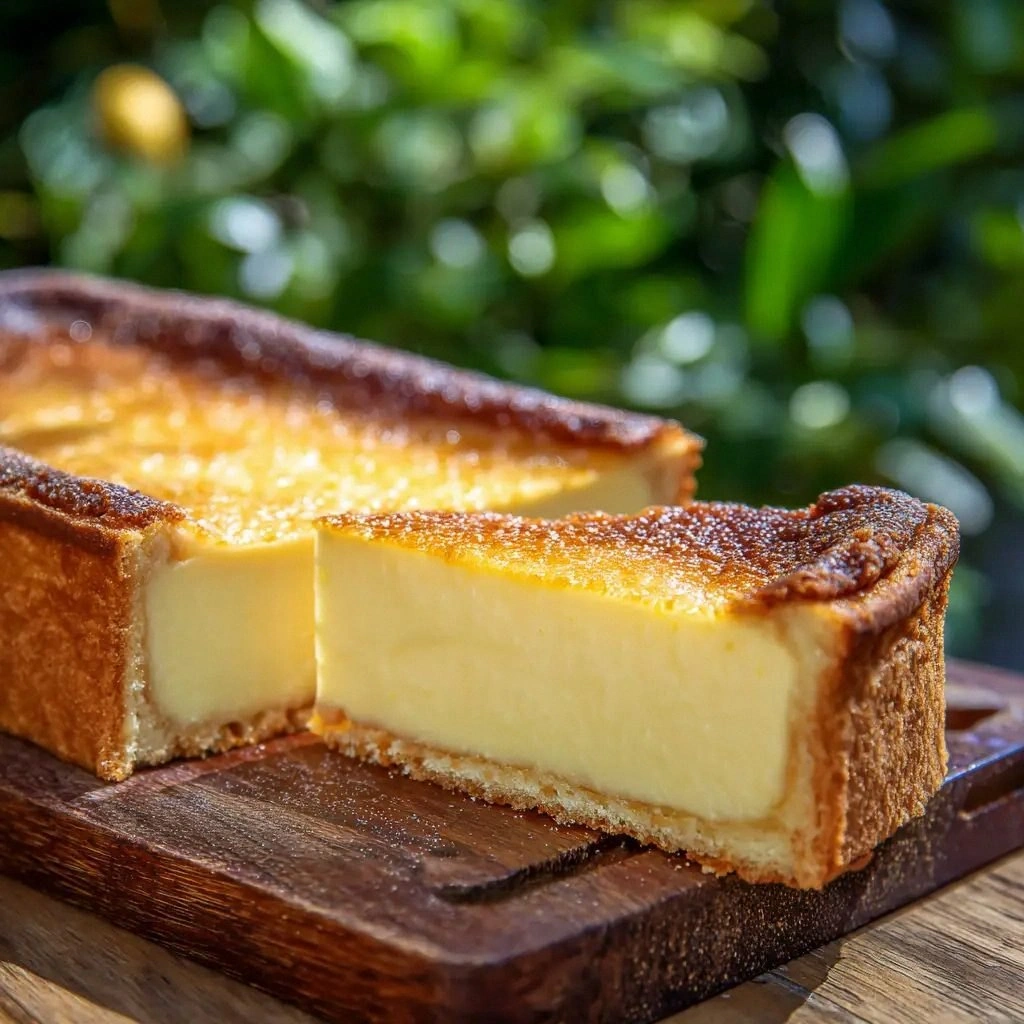
What sets this version apart is that it marries the airy lightness of a classic sponge with the velvety richness of a custard. The lemon zest is not just a garnish; it’s the backbone that carries the entire flavor profile. The pine nuts add a subtle crunch that contrasts the silky interior, while the powdered sugar dust creates a delicate finish that feels almost ceremonial. The result? A cake that is hands down the best version you'll ever make at home, with a texture that melts in your mouth and a citrus punch that stays on the palate.
And there’s a twist you won’t expect: a double custard layer that’s folded into the batter, giving the cake a luscious, almost molten center that surprises with every bite. I dare you to taste this and not go back for seconds. If you’re ready, let me walk you through every single step—by the end, you’ll wonder how you ever made it any other way.
What Makes This Version Stand Out
- Texture: The batter is light and airy, yet the custard layer gives it a silky, almost mousse‑like center that feels indulgent without being heavy.
- Flavor: Bright lemon zest and fresh juice cut through the richness of butter and eggs, creating a balanced, zesty finish.
- Ingredient Quality: Using unsalted butter and whole milk ensures a creamy base that doesn’t overpower the citrus.
- Ease of Assembly: The recipe requires only one pan and a few simple steps, making it approachable for both beginners and seasoned bakers.
- Versatility: The cake can be served plain, dusted with powdered sugar, or topped with a lemon glaze for an extra pop.
- Make‑Ahead Potential: Once baked, the cake keeps wonderfully for up to five days in the fridge and freezes well for future indulgences.
- Crowd Reaction: Guests consistently comment on the “soft, buttery bite” and the “burst of citrus” that lingers.
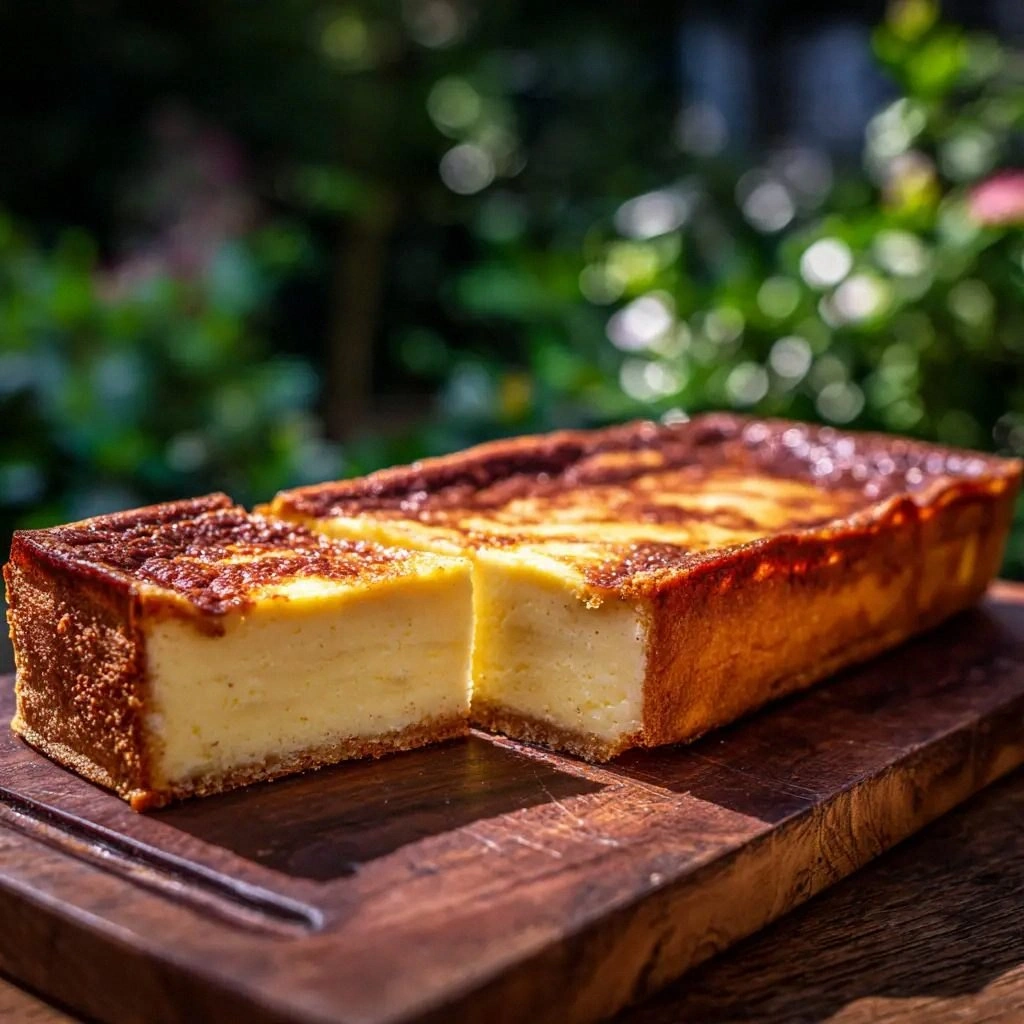
- Visual Appeal: The golden top and the airy crumb make it a showstopper at any gathering.
Inside the Ingredient List
The Flour Foundation
2.5 cups all‑purpose flour is the backbone of the cake, providing structure without heaviness. It absorbs the butter and eggs, allowing the batter to rise evenly. Skipping even a tablespoon will compromise the crumb, leaving it denser than intended. When measuring, spoon the flour into the measuring cup and level it off to avoid packing it too tightly, which could lead to a dry cake.
The Butter & Sugar Duo
1 cup unsalted butter and 0.5 cup granulated sugar create a classic creamed base that delivers both richness and sweetness. The butter’s fat content coats the flour proteins, resulting in a tender crumb. If you prefer a slightly healthier version, you can substitute half the butter with Greek yogurt, but be prepared for a denser texture. Butter should be softened to room temperature; this ensures an even mix and a fluffy batter.
The Egg & Lemon Power
Four large eggs (two whole and two yolks) provide structure, moisture, and a subtle richness. The yolks, in particular, are essential for the custard, contributing body and a golden hue. The lemon zest (1 tsp in the batter, 1 tbsp in the custard) and fresh juice (2 tbsp) infuse the cake with bright, aromatic citrus. If you’re allergic to eggs, you can replace each whole egg with ¼ cup unsweetened applesauce and each yolk with ¼ cup silken tofu, but the texture will change noticeably.
The Final Flourish
1 tsp baking powder ensures a gentle lift, while 0.25 cup cornstarch in the custard thickens it to a silky consistency. Pine nuts (0.25 cup) add a subtle nutty crunch, and 2 tbsp powdered sugar dusted on top gives a delicate finish. The vanilla extract (1 tsp) rounds out the flavor profile, providing a warm, sweet undertone that balances the sharp lemon. If you’re looking for a nut-free version, substitute the pine nuts with finely chopped dried apricots for a sweet, chewy contrast.
Everything's prepped? Good. Let's get into the real action.
The Method — Step by Step
- Preheat your oven to 350°F (175°C). Grease and flour a 9‑inch round cake pan, tapping out any excess flour to avoid a gritty crumb. This step sets the stage for an even rise and a smooth top that will later be dusted with powdered sugar.
- In a medium bowl, whisk together the flour, baking powder, salt, and cornstarch until well combined. This dry blend will ensure the batter is light and the custard doesn’t separate during baking.
- In a separate large bowl, beat the softened butter and 0.5 cup sugar until the mixture is pale and fluffy—about 3–4 minutes with an electric mixer. Add the two whole eggs, one at a time, letting each incorporate fully before adding the next, then stir in 1 tsp lemon zest, 1 tsp vanilla extract, and the baking powder. The batter should feel airy and smooth.
- Gradually fold the dry mixture into the wet batter in thirds, alternating with the whole milk. Begin with dry, add milk, then dry again, finishing with dry. Stir until just combined; the batter will look a little lumpy, but that’s normal. Overmixing here will create a dense cake.
- While the batter rests for 5 minutes, prepare the custard: whisk together the four yolks, 0.75 cup sugar, 0.25 cup cornstarch, 1 tbsp lemon zest, 2 tbsp fresh lemon juice, and 1 tsp vanilla until the mixture thickens and turns pale. This custard will give the cake its signature silky center.
- Cook the custard over low heat, stirring constantly, until it coats the back of a spoon (about 3–4 minutes). Remove from heat and let it cool to room temperature; this prevents the eggs from scrambling when folded into the batter.
- Gently fold the custard into the batter, using a large spatula and a gentle, sweeping motion. Once incorporated, stir in the pine nuts, distributing them evenly without deflating the batter. The mixture should look glossy and airy.
- Pour the batter into the prepared pan, smoothing the top with a spatula. Tap the pan lightly to release any air pockets. Bake for 30 minutes, or until the top is golden and a toothpick inserted in the center comes out clean. The cake should feel slightly springy when you press the top with your finger.
- Remove from the oven and allow the cake to cool in the pan for 10 minutes. Then transfer it to a wire rack to cool completely; this prevents the bottom from becoming soggy. The aroma should fill the kitchen, a citrus‑buttery perfume that makes you feel at home.
- Once cooled, dust the entire cake with 2 tbsp powdered sugar, letting it settle like snow on a mountain. Optionally, drizzle a simple lemon glaze—mix 1 cup powdered sugar with 2 tbsp lemon juice—over the top for an extra zing. Slice, serve, and enjoy the moment when the custard center melts into your mouth.
That’s it—you did it. But hold on, I’ve got a few more tricks that will elevate this cake from good to unforgettable.
Insider Tricks for Flawless Results
The Temperature Rule Nobody Follows
Keep your oven at a steady 350°F. Many bakers preheat for 10 minutes, but if the oven temperature fluctuates, the cake can rise unevenly. Use an oven thermometer to confirm the real temperature before you bake. I once baked at 375°F and the cake exploded in the middle, leaving a sad, flat center.
Why Your Nose Knows Best
The smell of the custard as it cooks is a reliable indicator of readiness. When it starts to thicken and smells slightly caramelized, it’s time to remove it from heat. If you’re unsure, the back of a spoon should be coated with a thin film of custard that doesn’t drip.
The 5‑Minute Rest That Changes Everything
Letting the batter rest for five minutes before folding in the custard allows the gluten to relax, preventing a tough crumb. It also lets the dry ingredients hydrate, creating a smoother batter. Skipping this step can result in a slightly gritty texture.
Pine Nuts: The Secret Crunch
Toast the pine nuts lightly in a dry skillet until golden before adding them to the batter. This step unlocks their nutty flavor and gives the cake a subtle crunch that contrasts the silky custard. If you forget to toast them, the cake will still taste good, but you’ll miss that delightful bite.
Dusting the Finish
For an elegant presentation, dust the cake with powdered sugar right before serving. The sugar should sift evenly across the top, creating a subtle sparkle. If you’re serving it at a party, you can add a few lemon zest curls for a pop of color.
Creative Twists and Variations
This recipe is a playground. Here are some of my favorite ways to switch things up:
Chocolate‑Lemon Fusion
Add 1/2 cup dark chocolate chips to the batter for a rich, bittersweet contrast. The chocolate melts into the custard, creating a decadent surprise with every bite.
Almond‑Infused Delight
Replace the pine nuts with 1/2 cup sliced almonds and toast them until golden. The almond’s nutty flavor complements the lemon, giving the cake a new dimension.
Berry‑Burst Variation
Fold in 1 cup of fresh blueberries before baking. The berries burst in the mouth, releasing a sweet, tart flavor that pairs beautifully with the custard.
Salted Caramel Twist
Drizzle a simple salted caramel sauce over the cooled cake. The salty sweetness enhances the lemon’s brightness, creating a balanced, indulgent dessert.
Gluten‑Free Adaptation
Swap the all‑purpose flour for a 1:1 gluten‑free blend and use a gluten‑free baking powder. The texture will be slightly denser, but the flavor remains unchanged.
Storing and Bringing It Back to Life
Fridge Storage
Wrap the cooled cake tightly in plastic wrap and store it in the refrigerator for up to five days. The lemon custard stays moist, and the cake’s airy crumb remains intact.
Freezer Friendly
Place the cake in a freezer‑safe container, sealing it with foil. It can be frozen for up to two months. When ready to enjoy, thaw overnight in the fridge, then let it sit at room temperature for 30 minutes before serving.
Best Reheating Method
To revive a refrigerated or frozen cake, warm it in a 300°F oven for 8–10 minutes. Add a tiny splash of water to the pan before reheating; it steams the cake back to its original, fluffy texture.