Picture this: you’re standing in a cramped kitchen, the oven door already half-open, and the air is thick with anticipation. I was chasing a craving that had been simmering for weeks—bone‑in leg of lamb that would melt in your mouth, not just in your stomach. The moment the lamb hit the roasting pan, a symphony of aromas erupted: garlic, rosemary, and a hint of citrus that promised a depth of flavor you’d find only in a well‑seasoned home kitchen. That instant, the whole house seemed to pause, waiting for the first crackle that would signal the start of something truly spectacular.
I’ve tried countless lamb recipes—some were dry, others over‑seasoned, and a few that simply lacked that golden, caramelized crust. This version is a game‑changer. It balances a crispy exterior with a juicy, tender interior, thanks to a carefully timed sear, a subtle herb infusion, and a finishing touch that locks in moisture. The result is a dish that feels like a celebration, with every bite delivering a burst of savory richness, a whisper of citrus, and that satisfying crunch that shatters like thin ice.
What makes this recipe stand out? It’s not just the technique; it’s the thoughtful selection of ingredients and the way each element sings in harmony. From the moment you lay the lamb on the rack, the flavors begin to develop. The garlic and rosemary don’t just season; they become an aromatic veil that coats the meat like velvet. And the secret? A splash of red wine that deglazes the pan, creating a sauce that’s both silky and complex.
I dare you to taste this and not go back for seconds. The boldness of the rosemary, the subtle sweetness of caramelized onions, and the gentle acidity from the lemon all converge to create a flavor profile that’s both familiar and utterly unforgettable. Let me walk you through every single step — by the end, you’ll wonder how you ever made it any other way.
What Makes This Version Stand Out
- Taste: The blend of garlic, rosemary, and lemon creates a layered flavor profile that is both earthy and bright, making each bite a revelation.
- Texture: The high‑heat sear forms a caramelized crust that locks in juices, while the slow roast keeps the interior buttery tender.
- Simplicity: With just a handful of pantry staples, you can craft a gourmet meal that feels like a luxury dinner.
- Uniqueness: The addition of a wine‑deglazed sauce adds depth, turning a simple roast into a show‑stopper.
- Crowd Reaction: Friends and family will rave about the aroma and the melt‑in‑your‑mouth texture; it’s guaranteed to impress.
- Ingredient Quality: Using a fresh, bone‑in leg of lamb ensures a richer flavor and a more succulent result.
- Cooking Method: The two‑stage roasting technique—first searing, then slow roasting—maximizes flavor without sacrificing tenderness.
- Make‑Ahead Potential: The dish can be prepared up to a day in advance, making it perfect for entertaining.
Alright, let’s break down exactly what goes into this masterpiece…
Inside the Ingredient List
The Flavor Base
The foundation of this roast begins with the lamb itself—bone‑in leg of lamb, typically weighing between 4 to 5 pounds for four servings. The bone adds a savory richness that permeates the meat as it cooks, creating a depth that’s impossible to replicate with boneless cuts. Skipping the bone would result in a flatter flavor profile, lacking the subtle marrow notes that elevate each bite.
Garlic is the next hero. Four cloves, minced, provide a robust, aromatic base that infuses the meat as it sears. If you’re allergic or simply dislike raw garlic, try roasting the cloves alongside the lamb for a milder, caramelized sweetness. The difference is palpable; the raw version gives a punchy bite, while the roasted version offers a more mellow, nutty undertone.
Rosemary is the aromatic star. Two tablespoons of fresh, chopped rosemary deliver a piney, slightly citrusy flavor that pairs beautifully with lamb. If you’re out of fresh rosemary, a teaspoon of dried rosemary works, but fresh is the gold standard for this dish. A pinch of thyme can also be added for an extra layer of herbal complexity.
The Texture Crew
Olive oil is the secret to achieving that coveted golden crust. Two tablespoons of high‑quality extra‑virgin olive oil coat the surface, promoting caramelization and preventing sticking. If you’re looking for a healthier option, try a light olive oil or a neutral oil like grapeseed; the flavor won’t be as pronounced, but the technique remains unchanged.
Salt and pepper are the unsung heroes that bring everything together. One teaspoon of sea salt and one teaspoon of freshly ground black pepper are sufficient to season the entire leg. Be generous with salt; it draws out moisture and helps form the crust. Pepper adds a subtle heat that balances the richness of the lamb.
Lemon adds a bright, acidic counterpoint that cuts through the fat. One whole lemon, halved, is placed in the roasting pan, its juice slowly seeped into the meat as it cooks. If you don’t have fresh lemon, a splash of white wine vinegar can substitute, but the citrus nuance will be slightly different.
The Unexpected Star
A splash of red wine—one cup—deglazes the pan after searing, creating a sauce that’s both silky and complex. The wine’s tannins bind with the rendered fat, forming a rich, glossy glaze that coats the lamb. If you’re avoiding alcohol, a cup of beef broth or a combination of broth and a dash of balsamic vinegar will provide a similar depth.
Onions, quartered, add a sweet, caramelized layer to the dish. Their natural sugars intensify under the oven’s heat, creating a subtle sweetness that balances the savory lamb. Carrots, cut into chunks, not only add color but also contribute a gentle sweetness and a textural contrast that enhances the overall dining experience.
Everything’s prepped? Good. Let’s get into the real action…
The Method — Step by Step
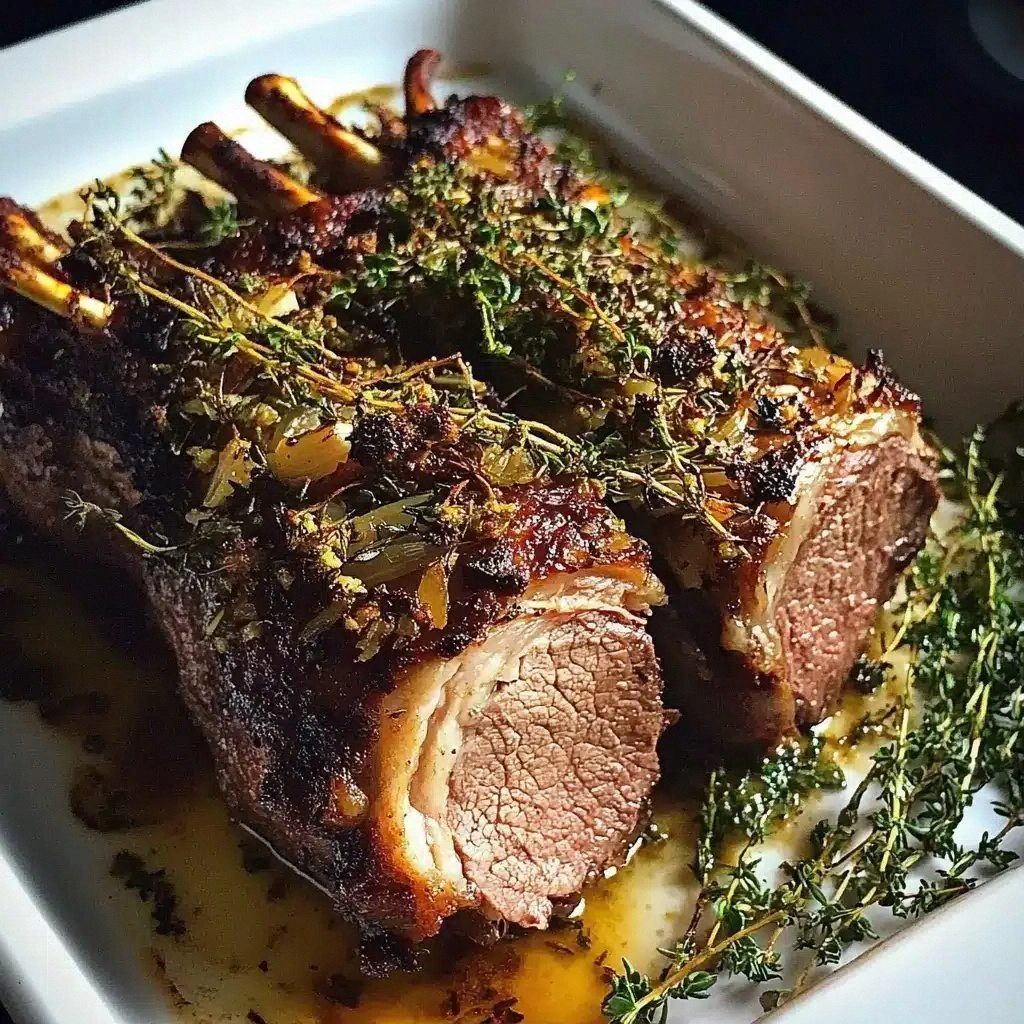
- Preheat your oven to 450°F (230°C). Pat the lamb dry with paper towels; this is crucial for achieving a crisp crust. Sprinkle the entire surface with salt and pepper, making sure to massage it into the meat. Place a rack in the center of a rimmed baking sheet and set aside.
- Heat a large, oven‑proof skillet over high heat until it shimmers. Add the olive oil, swirling to coat the bottom. Once the oil is hot, carefully lay the lamb, fat side down, onto the skillet. Let it sear untouched for 4–5 minutes; the surface should develop a deep brown crust.
- Flip the lamb over using tongs, then add the minced garlic and chopped rosemary. Sauté for 30 seconds until fragrant, making sure the garlic doesn’t burn. The aroma will fill the kitchen—an instant mood booster.
- Transfer the skillet to the preheated oven. Roast the lamb for 20 minutes, then lower the temperature to 350°F (175°C) and continue roasting for another 20–25 minutes, depending on your preferred doneness. A meat thermometer inserted into the thickest part should read 135°F (57°C) for medium‑rare.
- While the lamb is roasting, arrange the quartered onions and carrot chunks around the meat on the baking sheet. Drizzle with a tablespoon of olive oil and season with a pinch of salt. These vegetables will roast alongside the lamb, absorbing its juices and adding flavor.
- When the lamb reaches your desired internal temperature, remove the skillet from the oven and transfer the lamb to a cutting board. Tent it loosely with foil and let it rest for 15 minutes; this allows the juices to redistribute, ensuring every slice is moist.
- Meanwhile, place the skillet back on the stove over medium heat. Add the cup of red wine, scraping up any browned bits from the bottom. Let it simmer until reduced by half, creating a rich sauce. Stir in the lemon halves to infuse citrus notes.
- Slice the lamb against the grain, plating it with the roasted onions and carrots. Drizzle the pan sauce over the top, and serve immediately. The combination of crisp edges, tender interior, and savory sauce will leave everyone asking for seconds.
That’s it— you did it. But hold on, I’ve got a few more tricks that will take this to another level…
Insider Tricks for Flawless Results
The Temperature Rule Nobody Follows
Many cooks set the oven to a single temperature, but the two‑stage method—starting high for a crust, then lowering for tenderness—is what sets this dish apart. The initial 450°F sears the meat quickly, locking in juices, while the subsequent 350°F roast allows the interior to cook evenly without drying out. I’ve seen people skip the low‑temperature phase and end up with a dry, over‑cooked lamb.
Why Your Nose Knows Best
The scent of searing lamb is a powerful cue that the cooking process is on track. When you smell the garlic and rosemary blooming, you know the meat is developing its full flavor profile. A well‑seasoned roast will emit a complex aroma that’s both savory and slightly sweet.
The 5‑Minute Rest That Changes Everything
Resting the lamb for at least 15 minutes is essential. During this period, the muscle fibers relax, allowing the juices to redistribute throughout the meat. Skipping the rest will leave you with a dry, unevenly flavored roast. I’ve seen people cut into the lamb immediately, only to find the juices spilling onto the cutting board.
Use the Pan Sauce, Not a Side Dish
The pan sauce is the culmination of all the flavors developed during roasting. Reducing the wine and citrus juices into a glossy glaze intensifies the taste, turning a simple roast into a gourmet experience. Drizzle it over the sliced lamb for an extra burst of flavor.
Add a Touch of Sweetness
A splash of balsamic vinegar or a drizzle of honey before roasting can add a subtle sweetness that balances the lamb’s richness. This is especially effective if you’re serving the dish with a slightly bitter side, like sautéed kale.
Creative Twists and Variations
This recipe is a playground. Here are some of my favorite ways to switch things up: Mint‑Infused Yogurt Sauce—blend Greek yogurt with fresh mint, garlic, and a splash of lemon for a cool, creamy accompaniment that cuts through the lamb’s richness. Spiced Caramelized Onions—add a pinch of cumin and smoked paprika to the onions for a smoky, earthy flavor profile. Herb‑Crusted Lamb—coat the meat with a mixture of fresh herbs, breadcrumbs, and Parmesan before roasting for an extra crunchy exterior.
If you’re feeling adventurous, try Asian‑Inspired Glaze by substituting the red wine with soy sauce, ginger, and a touch of honey. The result is a sweet, savory glaze that pairs beautifully with a side of stir‑fried bok choy. For a Mediterranean twist, sprinkle the lamb with za’atar before roasting, and serve it alongside a cucumber‑yogurt salad.
Finally, for a low‑carb option, replace the carrots with cauliflower florets. The cauliflower will roast alongside the lamb, absorbing its juices and adding a subtle, nutty flavor. These variations keep the dish fresh and exciting for repeat visits.
Storing and Bringing It Back to Life
Fridge Storage
Cool the cooked lamb to room temperature, then wrap tightly in aluminum foil or plastic wrap. Store in the refrigerator for up to 3 days. The residual juices will keep the meat moist, but reheat gently to avoid drying out.
Freezer Friendly
For longer storage, place the wrapped lamb in a freezer‑safe bag and remove as much air as possible. It can be frozen for up to 3 months. Thaw overnight in the refrigerator before reheating.
Best Reheating Method
Reheat in a preheated oven at 300°F (150°C) for 15–20 minutes, or until warmed through. Add a splash of water or broth before reheating to create steam, which helps restore moisture. Finish with a quick sear on the stovetop if you want to revive the crust.