Picture this: you’re in a cramped apartment kitchen, the fridge is a sad gray, and you’re craving something that feels like a hug in a bowl. A friend texted you a link to a recipe that promised “the best Korean beef skewers ever” and you thought, “Sure, why not?” The moment the sizzling sound hit the pan, the air filled with the sweet scent of caramelized soy and the sharp, almost electric tang of garlic. The first bite was a dance of textures—tender beef that practically melted, a glossy glaze that coated each strip like velvet, and a subtle crunch from toasted sesame seeds. If you’ve ever tried a bland, overcooked version, you’ll feel the sting of disappointment; this one flips that expectation on its head.
I’ll admit—I was skeptical. Korean cuisine is full of bold flavors, but it’s easy to get lost in the maze of sauces and spices. The moment I saw the simple list of ingredients, I knew something was different. No obscure powders, no long marination times, just a few pantry staples that transform into a mouth‑watering masterpiece. And trust me, the first bite will have you saying, “I dare you to taste this and not go back for seconds.”
What makes this version stand out isn’t just the flavor profile; it’s the way every component works in harmony. The beef is thinly sliced to maximize surface area, allowing the glaze to seep in and caramelize without drying out. The sauce balances sweet, salty, and umami in a single, silky coat that clings to the meat like a second skin. The finish—an explosion of sesame aroma, a hint of citrus from rice vinegar, and a whisper of heat—creates a layered experience that lingers on the palate. It’s the kind of dish that turns a simple dinner into a moment of pure culinary joy.
By the end of this post, you’ll wonder how you ever made Korean beef skewers any other way. I’ll walk you through every single step, from selecting the right cut of beef to that final, satisfying char on the grill. And along the way, I’ll share micro‑challenges, bold claims, and a few kitchen hacks that will elevate this dish from good to unforgettable. So, ready to turn your kitchen into a Korean street food stall? Let’s get started.
What Makes This Version Stand Out
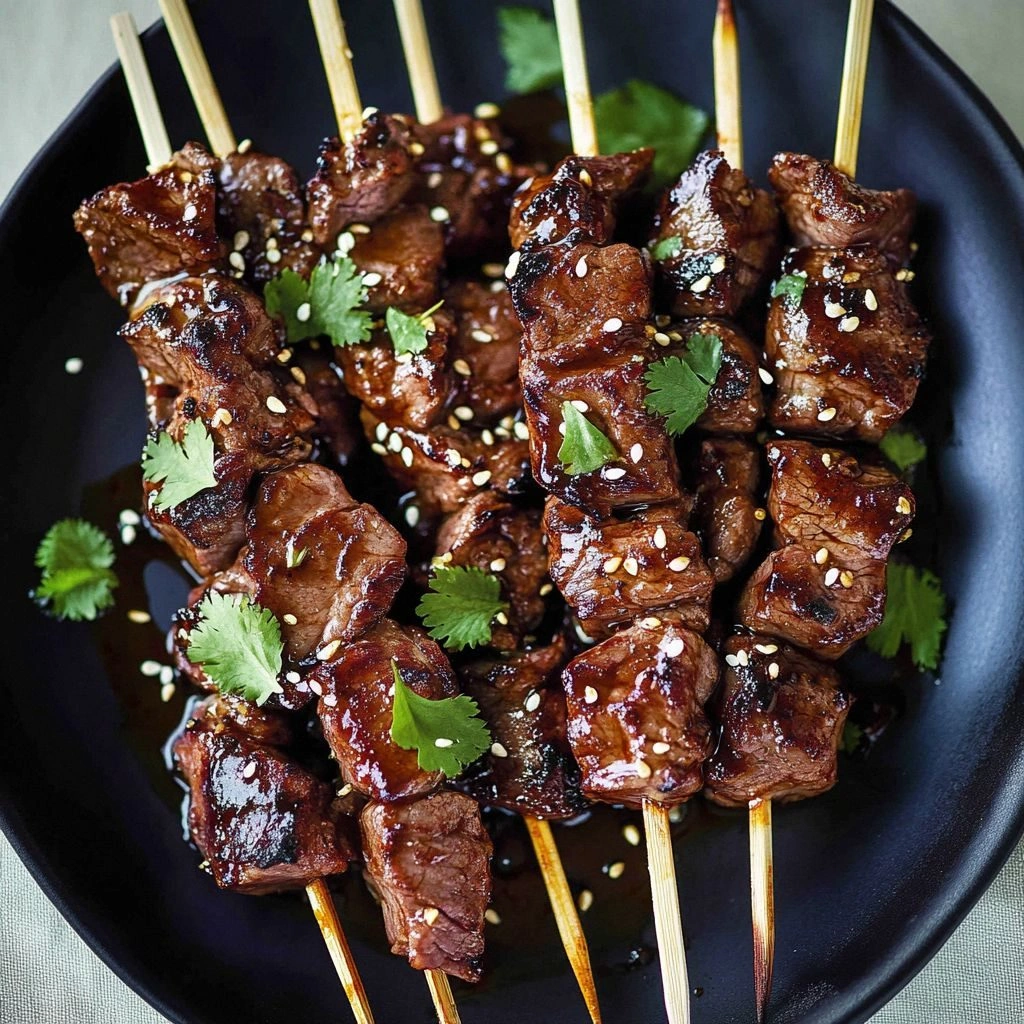
- Flavor: The glaze is a masterclass in balance—sweet from brown sugar, salty from soy sauce, and a subtle kick from chili flakes—all wrapped around the beef in a glossy coat that caramelizes beautifully.
- Texture: Thinly sliced sirloin melts in your mouth while the glaze creates a slightly crisp exterior, giving each bite a satisfying contrast.
- Speed: From prep to plate, you’re looking at less than an hour—perfect for a quick weeknight dinner or a last‑minute party hit.
- Versatility: The base recipe works with any lean cut—sirloin, ribeye, or even flank—making it adaptable to what you have on hand.
- Make‑ahead: Marinate overnight for deeper flavor, then grill just before serving; the skewers hold up beautifully when reheated.
- Showmanship: The grill marks and glossy glaze make for Instagram‑worthy plating that will wow guests at any gathering.
Alright, let’s break down exactly what goes into this masterpiece…
Inside the Ingredient List
The Flavor Base
The foundation of any great Korean dish is its sauce, and here it’s a sweet‑salty symphony that coats the beef like a second skin. Soy sauce brings that deep umami, while brown sugar offers a caramelized sweetness that turns golden when it hits the heat. A splash of rice vinegar adds a bright counterpoint that keeps the glaze from becoming overly cloying. Together, they create a glossy, sticky coat that clings to each slice and delivers a burst of flavor with every bite.
The Texture Crew
Thinly sliced sirloin is the star of this dish. The thinner the cut, the more surface area you get for the glaze to penetrate, which means each bite is packed with flavor. Marinating for at least 30 minutes allows the beef to absorb the sauce, but if you’re short on time, even a quick 10‑minute soak will do. The result is a tender, juicy piece of meat that doesn’t dry out when grilled.
The Unexpected Star
Sesame oil is the secret that elevates the glaze from good to unforgettable. Its nutty aroma adds depth and a subtle richness that balances the sweetness of the brown sugar. Toasted sesame seeds, sprinkled on top before serving, provide a pleasant crunch that contrasts beautifully with the silky glaze. If you’re vegan, a splash of toasted sesame oil will still give you that same aromatic punch.
The Final Flourish
Fresh green onions and a dash of chili flakes finish the dish with brightness and a gentle heat. The green onions add a fresh, slightly sweet crunch that cuts through the richness of the glaze, while the chili flakes offer a subtle kick that keeps the flavors layered. Together, they make the skewers feel alive and vibrant, a perfect balance of sweet, salty, spicy, and nutty.
Everything's prepped? Good. Let's get into the real action…
The Method — Step by Step
- Slice the sirloin into 1/4‑inch thick strips. If your steak is a bit thick, run it through a meat mallet to even out the thickness—this ensures an even cook and a quicker grill time. Use a sharp knife to avoid tearing the fibers. The goal is thin, uniform slices that will cook in just a few minutes.
- In a bowl, whisk together soy sauce, brown sugar, sesame oil, minced garlic, grated ginger, rice vinegar, and chili flakes. The sugar should dissolve completely; if it’s gritty, give it a quick stir. This will be your glaze. The garlic and ginger bring warmth, while the vinegar cuts the sweetness for a balanced finish.
- Add the beef slices to the bowl and toss until every piece is coated. Let the meat marinate for at least 30 minutes at room temperature, or up to 2 hours in the fridge for deeper flavor. The longer the marination, the more the beef will absorb the glaze, resulting in a richer taste.
- While the beef marinates, soak bamboo skewers in water for 20 minutes. This prevents them from burning on the grill and ensures even cooking. If you’re using metal skewers, you can skip the soaking step, but bamboo gives that classic Korean BBQ feel.
- Thread the marinated beef onto the soaked skewers, leaving a little space between each piece. The spacing allows the glaze to caramelize evenly and prevents the pieces from sticking together. This step may look tedious, but trust me, it pays off in presentation.
- Preheat a grill or a cast‑iron skillet to medium‑high heat. If you’re using a skillet, add a splash of oil to prevent sticking. Place the skewers on the grill and cook for 2–3 minutes on each side, or until the glaze is thickened and the meat has nice grill marks. Watch for flare‑ups—if the glaze starts smoking, reduce the heat slightly.
- Flip the skewers carefully with tongs, brushing the remaining glaze on the other side. This step is the moment of truth—if you’re not careful, the glaze can burn and become bitter. Keep a close eye on the edges; they should pull away slightly from the grill, signaling readiness.
- Once cooked, remove the skewers from heat and let them rest for a minute. This allows the juices to redistribute, keeping the meat moist. While they rest, sprinkle toasted sesame seeds and sliced green onions over the skewers for a fresh crunch and bright flavor.
- Serve immediately with a side of steamed rice, kimchi, or a simple cucumber salad. The combination of hot, caramelized beef with cool, crisp vegetables creates a delightful contrast that elevates the entire meal. Enjoy the aroma, the texture, and the burst of flavors that make this dish unforgettable.
That’s it— you did it. But hold on, I’ve got a few more tricks that will take this to another level…
Insider Tricks for Flawless Results
The Temperature Rule Nobody Follows
Many people grill at a high heat, but the secret to a perfect glaze is medium‑high. Too hot, and the sugar burns; too low, and the beef becomes rubbery. Aim for a grill temperature around 375°F (190°C). This allows the glaze to caramelize slowly, giving the beef a tender interior and a crisp exterior.
Why Your Nose Knows Best
Before you even flip the skewers, trust your nose. A sweet, caramelized scent is a sign the glaze is ready. If you notice a sharp, burnt smell, the sugar has begun to char. The aroma is a quick, reliable indicator that the timing is spot on.
The 5‑Minute Rest That Changes Everything
After removing the skewers from heat, let them rest for five minutes. This short pause allows the juices to redistribute, preventing the meat from drying out when you cut into it. The result is a juicy, flavorful bite that’s far superior to a rushed, over‑cooked piece.
The Quick Toss for Even Glazing
While the skewers are resting, give them a quick toss in a shallow pan with a splash of the remaining glaze. This ensures every side is coated evenly, creating a uniform flavor profile across all pieces.
The Secret of the Final Sizzle
Right before serving, give the skewers a quick, high‑heat blast—about 30 seconds—just to re‑warm and re‑crisp the glaze. The final sizzle adds a dramatic visual cue and a burst of aroma that heightens the eating experience.
Creative Twists and Variations
This recipe is a playground. Here are some of my favorite ways to switch things up:
Spicy Gochujang Glaze
Swap the chili flakes for gochujang and add a splash of sesame oil for a richer, spicier glaze. The fermented paste adds depth and a subtle sweetness that pairs beautifully with the beef.
Miso‑Infused Marinade
Blend a tablespoon of white miso into the sauce for a umami boost. The miso’s salty profile complements the sweetness, creating a complex, savory glaze.
Pineapple Sweetness
Add a handful of crushed pineapple to the glaze for a tropical twist. The natural sugars caramelize on the grill, giving the skewers a caramelized, fruity finish.
Vegetarian Version
Replace the beef with thick slices of marinated tofu or tempeh. The tofu absorbs the glaze just as well, delivering a hearty, plant‑based alternative.
Lemon‑Zest Kick
Finish the skewers with a drizzle of lemon zest and a sprinkle of fresh parsley. The citrus brightens the dish, cutting through the richness of the glaze.
Smoky Chipotle Twist
Incorporate a teaspoon of chipotle powder into the glaze for a smoky, slightly sweet flavor profile. The heat level is mellow, making it a great option for those who like a subtle kick.
Storing and Bringing It Back to Life
Fridge Storage
Store cooked skewers in an airtight container in the refrigerator for up to 3 days. The glaze will thicken slightly, so when reheating, add a splash of water or broth to loosen it back to a glossy consistency.
Freezer Friendly
For longer storage, freeze the cooked skewers in a single layer on a parchment‑lined tray. Once frozen, transfer them to a freezer bag. They’ll keep for up to 2 months without losing flavor.
Best Reheating Method
Reheat in a skillet over medium heat, adding a tablespoon of water or broth to keep the glaze from drying out. Finish with a quick sear on high heat to restore that caramelized crust. The result is almost identical to freshly grilled skewers.