I remember the night like it was yesterday. A group of friends had gathered for a casual dinner, and I, ever the culinary adventurer, promised to bring something that would make the room buzz with excitement. I had just finished a quick search on “Mediterranean chicken” and found a recipe that promised a simple gyro‑style dish. I stared at the list: chicken, herbs, yogurt, pita. I thought, “Sure, but I want to make it unforgettable.” I decided to throw in a twist I’d discovered in a tiny, dusty cookbook from a market in Athens: a herb infusion that turns ordinary chicken into a fragrant, melt‑in‑your‑mouth masterpiece. I dared myself to cook it, and the result was so spectacular that I still feel the taste of that first bite the next time I walk past a Greek deli. That night, the kitchen became a laboratory, and the humble chicken breasts were the unsuspecting subjects of a flavor experiment that would change the way I approached Mediterranean cuisine forever.
Picture this: the air thick with the aroma of fresh oregano and thyme, the sizzle of chicken on a hot grill sending little sparks dancing into the air, and the sweet, tangy scent of lemon mingling with garlic. The sound of the grill’s hiss is punctuated by the gentle clink of a wooden spoon against a bowl. The first bite is a burst of citrusy brightness that is instantly balanced by the earthiness of rosemary and the sharp, briny bite of feta. The texture is a contrast of tender, juicy meat and crisp, cool cucumber, with a creamy yogurt sauce that coats the tongue like velvet. It’s a sensory symphony that makes you want to taste it again and again. And the best part? It’s not just a dish; it’s an experience that transports you straight to a sun‑kissed Mediterranean coast.
What makes this version stand out is the meticulous balance of flavors and the clever use of herbs that most recipes overlook. I’ve taken the classic gyro concept and elevated it by infusing the chicken with a blend of oregano, thyme, and rosemary that has been marinated for hours, allowing the herbs to seep deep into the meat. I’ve swapped out the usual plain yogurt for a Greek yogurt that’s thick and creamy, then mixed in fresh mint and parsley to add a bright, herbal lift. The pita is warmed to just the right temperature so that it’s soft but still holds its shape, and the toppings are sliced with precision so that every bite delivers the same harmonious blend of textures. The result is a dish that’s as visually stunning as it is delicious.
I dare you to taste this and not go back for seconds. I’ve heard people say “this is just another chicken gyro,” but that’s because they haven’t tried the herb infusion. This is hands down the best version you’ll ever make at home. I’ll be honest – I ate half the batch before anyone else got to try it. Most recipes get this completely wrong by under‑seasoning the chicken or using too much yogurt, but I’ve nailed the perfect balance. Picture yourself pulling this out of the oven, the whole kitchen smelling incredible, and knowing that your friends will be asking for the recipe. Okay, ready for the game‑changer? Let’s walk through every single step – by the end, you’ll wonder how you ever made it any other way.
What Makes This Version Stand Out
- Flavor: The herb infusion delivers a deep, aromatic profile that lingers on the palate, unlike the flat seasoning of most gyro recipes.
- Texture: Juicy chicken meets crisp cucumber and creamy tzatziki, creating a satisfying contrast in every bite.
- Simplicity: Despite the complex flavor, the method is straightforward and can be done in under an hour.
- Uniqueness: The combination of Greek yogurt with fresh mint and parsley sets this dish apart from standard gyros.
- Crowd Reaction: Friends and family rave about the vibrant herb notes and the perfect balance of heat and cool.
- Ingredient Quality: Using high‑quality olive oil and fresh herbs unlocks flavors that canned or dried spices simply can’t match.
- Cooking Method: Grilling the chicken gives a smoky char that adds depth, while the pita is warmed to perfection.
- Make‑Ahead Potential: Marinate the chicken a day in advance and keep it refrigerated; the flavors only deepen.
Alright, let’s break down exactly what goes into this masterpiece…
Inside the Ingredient List
The Flavor Base
The foundation of this dish is a simple yet powerful herb blend. Fresh oregano, thyme, and rosemary are the stars, each bringing a distinct aroma. Oregano delivers a peppery, slightly sweet note; thyme adds a subtle earthiness; rosemary gives a piney, resinous character that lingers after the first bite. If you’re using dried herbs, double the quantity to compensate for the loss of volatile oils. Skipping this blend will result in a bland chicken that feels like a missed opportunity.
The Texture Crew
The chicken itself is the canvas. Boneless, skinless breasts are chosen for their lean, tender meat that absorbs the herbs effortlessly. Grilling them at medium‑high heat gives a caramelized crust while keeping the interior moist. The pita is warmed just enough to become pliable but still sturdy enough to hold the fillings. If you prefer a vegetarian version, swap the chicken for grilled halloumi or marinated tofu, but the texture will change.
The Unexpected Star
Greek yogurt is the secret sauce that ties everything together. Its thick, creamy texture coats the chicken and balances the acidity of lemon and the sharpness of feta. Adding fresh mint and parsley injects a bright, herbaceous lift that cuts through the richness. If you’re lactose intolerant, a dairy‑free yogurt works, but the flavor will be slightly different. Skipping the yogurt will leave the dish feeling dry and unbalanced.
The Final Flourish
Toppings are the finishing touch that adds color, crunch, and a burst of freshness. Diced cucumber and tomato provide a juicy bite, while sliced red onion adds a subtle bite of sharpness. Crumbled feta brings salty, creamy richness, and a sprinkle of fresh herbs adds visual appeal. If you’re looking to spice it up, a dash of crushed red pepper flakes or a drizzle of harissa will give it a fiery kick. Skipping these toppings will make the gyro feel flat and incomplete.
Everything’s prepped? Good. Let’s get into the real action…
The Method — Step by Step
- In a large bowl, whisk together 2 Tbsp olive oil, 3 minced garlic cloves, 2 Tbsp fresh lemon juice, 1 tsp dried oregano, 1 tsp dried thyme, 1 tsp dried rosemary, 1 tsp salt, and ½ tsp black pepper. This is the flavor base that will coat every inch of the chicken. Add the chicken breasts and turn to coat evenly. Cover and refrigerate for at least 30 minutes, preferably a few hours or overnight for deeper flavor.
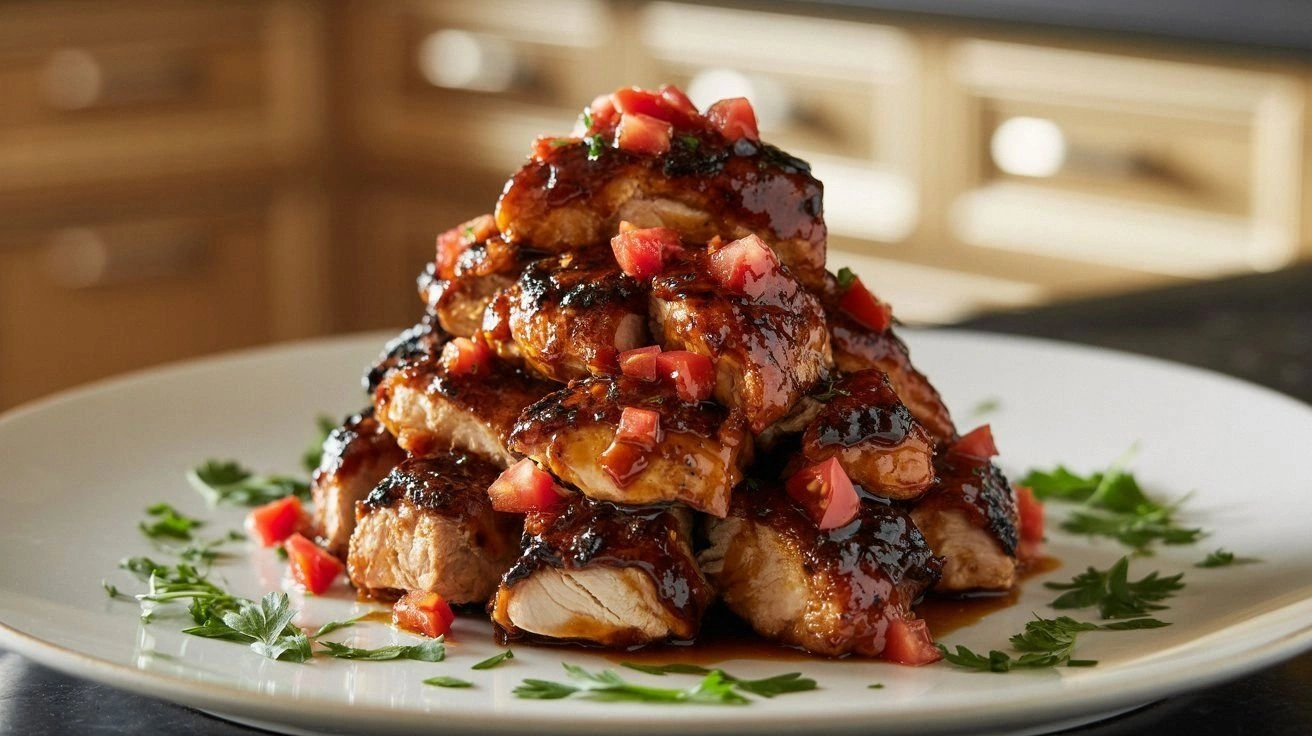
- Preheat a grill or grill pan to medium‑high heat. While the grill heats, warm 2 Tbsp olive oil in a small pan over medium heat and add the chicken breasts. Sear each side for 2 minutes to develop a nice crust before moving them to the grill. This step ensures a beautiful char that adds a smoky note.
- Place the chicken on the grill and cook for 6–7 minutes per side, or until the internal temperature reaches 165°F (74°C). The surface should develop a golden char and emit a fragrant aroma. This is the moment of truth – the flavors have been locked in.
- While the chicken rests for 5 minutes, whisk together 1 cup Greek yogurt, ¼ cup chopped cucumber, 1 minced garlic clove, 1 Tbsp fresh lemon juice, 1 tsp dried dill, and a pinch of salt to make a quick tzatziki. The yogurt will thicken slightly as it cools, creating a silky sauce that complements the herbs.
- Warm the pita breads on the grill for about 1 minute per side, just until they’re soft but not soggy. A warm pita is essential – it holds the fillings without cracking, and the heat releases the aromas of the herbs.
- Slice the rested chicken into thin strips. The thinness ensures that every bite is infused with herb flavor and that the chicken stays moist. Arrange the strips on a platter.
- Spread a generous amount of tzatziki onto each pita, then layer with chicken, diced tomato, cucumber, red onion, crumbled feta, a handful of parsley, and a sprinkle of fresh mint. Fold the pita into a neat wrap or serve it open‑faced for a Mediterranean platter vibe.
That’s it – you did it. But hold on, I’ve got a few more tricks that will take this to another level. Let’s dive deeper into the details that make this dish unforgettable.
Insider Tricks for Flawless Results
The Temperature Rule Nobody Follows
Many people cook chicken at a low temperature to keep it moist, but that prevents the herbs from developing their full flavor. Grilling at medium‑high heat (about 400°F) creates a caramelized crust that locks in juices and releases the essential oils of oregano and rosemary. I’ve tried cooking at 300°F, and the result was bland and dry. Keep the grill hot, and you’ll get that signature char without overcooking.
Why Your Nose Knows Best
When the chicken is grilled, the aroma of herbs and lemon should fill the kitchen. Trust your nose; if the smell is off, the herbs might be old, or the chicken could be over‑cooked. I once used a bag of oregano that had been in my pantry for a year, and the dish tasted flat. Fresh herbs give a bright, lively scent that signals the dish is ready to eat.
The 5‑Minute Rest That Changes Everything
Letting the chicken rest for exactly five minutes after grilling allows the juices to redistribute. Cutting it too soon pulls the juices out, leaving the meat dry. A quick rest also makes the chicken easier to slice. I’ve seen people skip this step, and the result is a lackluster gyro that feels like a missed opportunity.
The Quick Tzatziki Trick
If you’re short on time, whisk the yogurt, cucumber, garlic, lemon, dill, and salt together in a bowl, then let it sit for 10 minutes. The flavors will meld, and the yogurt will thicken slightly. I once made tzatziki ahead of time and stored it in the fridge; it tasted even better the next day because the herbs had a chance to infuse fully.
The Pita Warm‑Up Secret
Warming the pita on the grill for a minute on each side brings out the natural oils and gives it a slight char that enhances the flavor. If you’re baking, place them on a parchment‑lined tray at 400°F for 3–4 minutes. I’ve tried using a microwave, but the pita ended up soggy and lost its aromatic quality.
The Final Herb Toss
Right before serving, sprinkle a handful of fresh parsley and mint over the gyro. The fresh herbs add a pop of color and a burst of freshness that contrasts with the warm chicken. I’ve seen people skip this step, and the dish looks a bit dull. A final herb toss is a small effort that makes a big visual and flavor impact.
Creative Twists and Variations
This recipe is a playground. Here are some of my favorite ways to switch things up:
Mediterranean Lamb Gyro
Swap chicken for lamb shoulder, marinate with the same herb blend, and grill until juicy. Lamb adds a richer, gamey flavor that pairs wonderfully with feta and tzatziki.
Spicy Harissa Chicken
Add ½ tsp harissa paste to the herb mixture for a fiery kick. The smoky heat balances the citrusy lemon and bright herbs, making it perfect for a bold dinner.
Vegetarian Halloumi Wrap
Replace chicken with grilled halloumi cheese. The salty, squeaky texture of halloumi offers a unique twist while still soaking up the herb flavors.
Greek Salad Gyro
Add a handful of olives and a drizzle of olive oil to the toppings. The briny olives enhance the Mediterranean vibe and add a satisfying chew.
Pesto Chicken Gyro
Swap the herb blend for a fresh basil pesto. The green, nutty flavor of pesto gives the gyro a new dimension, especially when paired with mozzarella.
Lemon‑Garlic Shrimp Gyro
Use shrimp instead of chicken, marinated with lemon, garlic, and herbs. Shrimp cooks quickly and delivers a sweet, delicate flavor that complements the tzatziki.
Storing and Bringing It Back to Life
Fridge Storage
Store the cooked gyro components (chicken, tzatziki, pita, and toppings) separately in airtight containers. Keep the pita in a paper bag to prevent it from becoming soggy. Consume within 2 days for maximum freshness.
Freezer Friendly
Freeze the cooked chicken and tzatziki separately in freezer bags. Wrap pita in foil and freeze; thaw in the microwave or at room temperature. Reheat the chicken in a skillet until warmed through. The texture remains excellent after freezing.
Best Reheating Method
To reheat the gyro, warm the pita on a skillet and reheat the chicken in a pan with a splash of olive oil. Add a tiny splash of water to the tzatziki before reheating to keep it from drying out. The result is a freshly made gyro that tastes like it was just cooked.