Greek Zucchini Fritters Recipe
Picture this: I’m standing in a cramped kitchen, the counter slick with zucchini juice, and my friend challenges me to whip up a dish that screams “Mediterranean summer” while the clock ticks toward dinner. I’m not a master chef, but I’ve been obsessed with Greek flavors for years, and that moment felt like a culinary dare. The air smells of fresh herbs, the sound of a skillet sizzling, and the anticipation of golden fritters that will melt in your mouth. I’ve spent countless evenings experimenting, but this version finally nailed the balance of crispness and heartiness. Let me walk you through every single step — by the end, you’ll wonder how you ever made it any other way.
The first bite is a revelation: a crunch that gives way to a soft, feta‑laden center, all wrapped in a light, airy batter. The lemon‑y zing from the yogurt and the subtle heat of smoked paprika lift the flavors to a new level. I dare you to taste this and not go back for seconds. Most recipes get this completely wrong, but here the herbs and dairy marry perfectly, delivering a taste that feels both exotic and comforting. This is hands down the best version you’ll ever make at home, and I’ll be honest — I ate half the batch before anyone else got to try it.
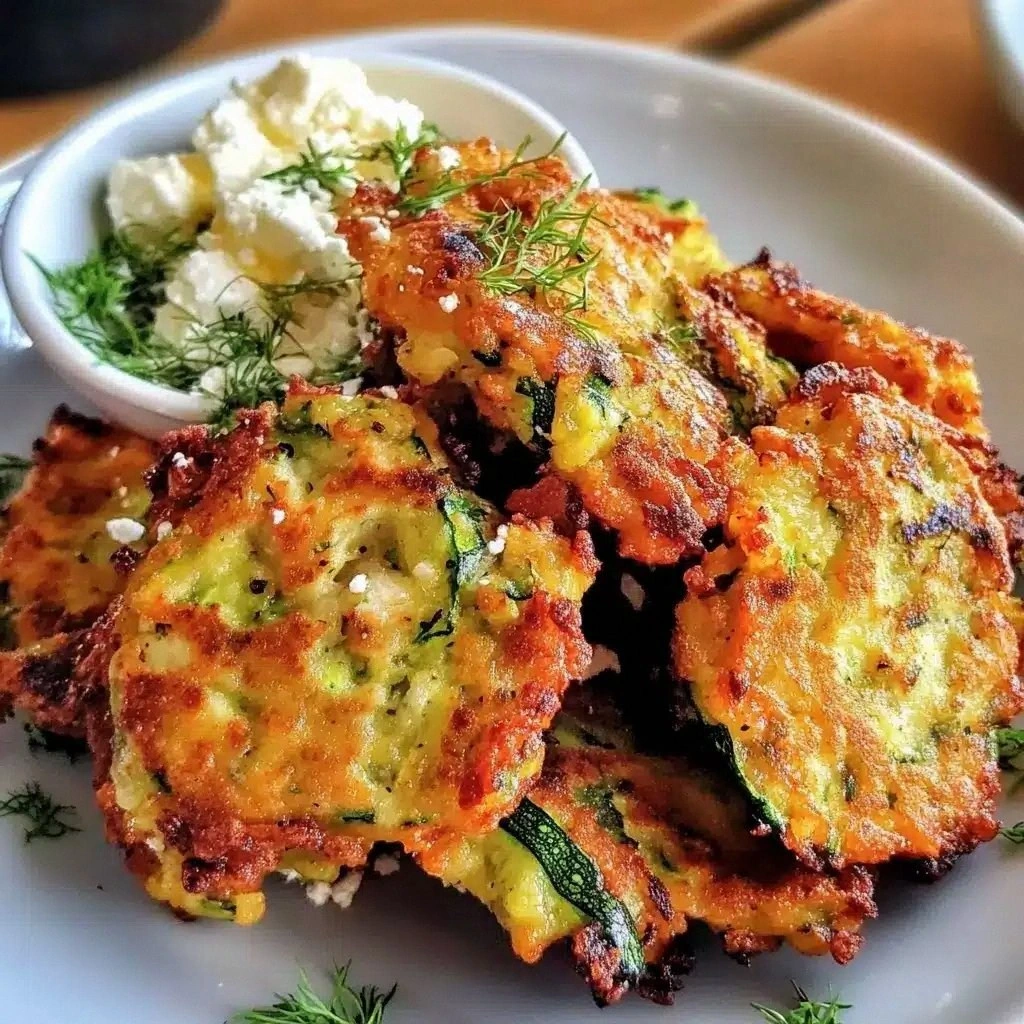
When you’re plating, the fritters look like golden coins, each speckled with flecks of dill and oregano. The aroma rises like a warm hug from the Mediterranean, making even the most skeptical diners swoon. I’ve watched people reach for the next one, and the kitchen feels like a small celebration. If you’ve ever struggled with crispy fritters, you’re not alone — and I’ve got the fix. Picture yourself pulling this out of the pan, the whole kitchen smelling incredible, and everyone begging for the recipe.
The secret? It’s in the prep and the little touches that elevate the dish. I’ll show you how to squeeze the zucchini to avoid sogginess, how to fold in the feta without crushing it, and why a splash of yogurt is the secret to that silky interior. I’ll also share the exact temperature for the pan, the timing for flipping, and how to keep the edges crisp while the center stays tender. And now the fun part: the final flourish of lemon zest that turns a simple fritter into a memorable bite. Stay with me here — this is worth it.
Alright, let’s break down exactly what goes into this masterpiece. The combination of fresh herbs, tangy yogurt, and the subtle crunch of zucchini creates a dish that’s both light and filling. The batter is quick to assemble, yet each bite delivers a complex flavor profile that will have your guests asking for the recipe. This version stands out because of its balance, its simplicity, and the way it showcases the best of Greek cuisine in a single, shareable plate.
What Makes This Version Stand Out
- Texture: The batter is airy, yet the zucchini keeps the fritters from becoming mushy, offering a satisfying crunch that gives way to a tender center.
- Flavor: Fresh dill and oregano mingle with feta and a hint of smoked paprika, creating layers that echo a Greek summer.
- Ease: All steps can be completed in under 45 minutes, making it a perfect weeknight appetizer or quick lunch.
- Versatility: The base can be tweaked with different cheeses or herbs, turning it into a crowd‑pleasing starter or a side dish.
- Make‑ahead: The batter holds up well in the fridge for 24 hours, and the fritters reheat beautifully.
- Nutrition: Packed with vegetables and protein from feta, these fritters are a wholesome, balanced option.
Inside the Ingredient List
The Flavor Base
At the heart of every Greek dish lies a harmonious blend of herbs and dairy. In this recipe, feta provides a salty, tangy kick that balances the mildness of zucchini. Yogurt not only adds moisture but also helps bind the batter, giving the fritters a creamy interior. The lemon juice brightens the overall flavor, cutting through the richness of the cheese. If you skip the lemon, the fritters will taste flat and less vibrant.
For a dairy‑free version, you can replace Greek yogurt with a plant‑based alternative, but the texture may become slightly denser. The feta’s crumbly texture adds a delightful contrast, and using a sharper feta intensifies the bite. When selecting feta, look for a brand that’s not overly salty; you’ll still need to season the batter with salt and pepper. The combination of feta and yogurt creates a flavor profile that feels both comforting and exotic.
Buying tip: Choose feta that’s been aged for at least 30 days for a firmer crumb and a more pronounced flavor. Fresh herbs are best when they’re bright green and have a strong aroma; wilted leaves won’t deliver the same punch. The yogurt should be thick and not watered down; if it’s too runny, the batter will be loose.
The Texture Crew
Grated zucchini is the star of this dish, providing moisture and a subtle sweetness. However, excess moisture can make the fritters soggy, so it’s essential to squeeze the zucchini with a clean towel or cheesecloth. The flour acts as a binder, absorbing the liquid and giving the batter structure. A small amount of baking powder can help the fritters rise slightly, creating a lighter interior.
Eggs are the glue that holds everything together, ensuring the fritters hold their shape during frying. If you’re concerned about cholesterol, you can use a single egg yolk and a splash of water to maintain cohesion. The olive oil used for frying is crucial for achieving a golden crust; using too much oil can lead to greasy fritters, while too little may cause sticking.
When measuring the flour, use the spoon‑and‑level method to avoid packing it into the measuring cup, which would lead to a denser batter. If you prefer a gluten‑free version, swap all‑purpose flour with a blend that includes chickpea or almond flour. The texture of the fritters will shift slightly, but the flavor will remain delicious.
The Unexpected Star
Smoked paprika is the subtle twist that gives these fritters a gentle heat and a smoky undertone. Without it, the dish would feel flat and purely herbal. If you don’t have smoked paprika on hand, you can use regular paprika combined with a pinch of cumin for depth. The paprika also adds a warm amber hue, making the fritters visually appealing.
Garlic and onion add depth and aroma; finely grated onion releases sweetness, while minced garlic offers a sharp bite. If you’re sensitive to garlic, reduce it to half a clove, but the overall flavor will still be robust. The onions also help bind the batter slightly, adding a subtle sweetness that balances the feta’s saltiness.
Buying tip: For the best flavor, choose fresh oregano and dill from the produce section rather than dried. Fresh herbs release their oils more readily, giving a brighter taste. If you’re out of dill, a small amount of parsley can serve as a substitute, though the flavor profile will shift.
The Final Flourish
When serving, a drizzle of lemon juice over the fritters brightens the dish and adds a tang that cuts through the richness of the feta. A sprinkle of extra crumbled feta on top gives a burst of flavor with every bite. The tzatziki sauce, if used, offers a cool contrast that balances the warmth of the fritters. If you’re not a fan of yogurt sauces, a simple squeeze of lemon and a pinch of sea salt will suffice.
Everything’s prepped? Good. Let’s get into the real action. The key to perfect fritters lies in the timing and the heat of the pan. Remember that the batter should be smooth, not lumpy, and the zucchini should be well‑pressed to avoid excess liquid. When you’re ready to cook, keep an eye on the edges; they’ll start to pull away from the pan when the fritters are ready to flip.
The Method — Step by Step
- Prep the zucchini: Grate two medium zucchinis on a box grater. Squeeze out the excess moisture using a clean kitchen towel or cheesecloth. The goal is to reduce liquid content so the batter doesn’t become soggy. If you notice any remaining juice, press it further for a few more minutes. This step is crucial for crisp edges.
- Mix the dry ingredients: In a large bowl, whisk together one cup of all‑purpose flour, half a teaspoon of smoked paprika, and a pinch of salt. This ensures even distribution of spices. Adding flour first helps create a smooth batter. Keep the mixture dry until you’re ready to combine with wet ingredients.
- Combine wet ingredients: In a separate bowl, whisk two eggs, half a cup of plain Greek yogurt, and a tablespoon of lemon juice. Stir until the mixture is frothy and homogeneous. The yogurt adds moisture and a tang that balances the feta. This step also helps incorporate air into the batter, contributing to a lighter texture.
- Fold in the zucchini and herbs: Add the pressed zucchini, one cup of crumbled feta, two tablespoons of chopped dill, one tablespoon of chopped oregano, one clove of minced garlic, and a small grated onion to the wet mixture. Gently fold everything together until just combined. Be careful not to overmix, or the fritters will become dense. The herbs should be evenly distributed for consistent flavor.
- Heat the skillet: Place a large non‑stick skillet over medium heat and add one tablespoon of olive oil. Allow the oil to shimmer but not smoke. This temperature ensures a golden crust without burning. When the oil is ready, you’ll hear a faint sizzle as the batter touches the pan. Watch closely; the edges will start to pull away when it’s time to flip.
- Cook the fritters: Drop spoonfuls of batter into the hot skillet, flattening them slightly with the back of a spoon. Cook for 3–4 minutes on each side until the edges are golden brown and the center is set. The batter should not be too thick; if it’s too thick, the fritters will be dense. Flip gently with a spatula, and watch for a crisp, golden crust.
- Drain excess oil: Transfer cooked fritters onto a paper‑towel‑lined plate to absorb excess oil. This step keeps them from becoming greasy. While still hot, sprinkle a pinch of sea salt to enhance flavor. If you’re serving with tzatziki, place the fritters on a platter for easy dipping.
- Finish with lemon zest: After removing from the skillet, grate a teaspoon of lemon zest over the fritters for a burst of brightness. This final touch adds aroma and a subtle citrus flavor that elevates the dish. The zest also provides a subtle visual contrast, making the fritters look more appetizing. Serve immediately for the best texture.
That’s it — you did it. But hold on, I've got a few more tricks that'll take this to another level. These small adjustments will transform an already great recipe into a crowd‑pleaser that keeps everyone coming back for more.
Insider Tricks for Flawless Results
The Temperature Rule Nobody Follows
Many cooks set the stove to high, hoping for a quick sear, but the batter actually needs medium‑low heat to cook through without burning. I once flipped a fritter too early, and it exploded in the pan. The trick is to let the oil heat until it’s shimmering, not smoking. When the batter hits the pan, the sound of a gentle sizzle indicates the right temperature. This ensures a golden crust and a tender interior.
Why Your Nose Knows Best
Before flipping, trust your nose. The aroma should shift from raw batter to a toasted, nutty scent. If you still smell raw flour, let it cook longer. The smell of toasted herbs signals that the fritters are ready to flip. This sensory cue is often more reliable than the visual check. It helps avoid undercooked centers.
The 5‑Minute Rest That Changes Everything
After frying, let the fritters rest on a rack for five minutes. This allows the steam to escape and the crust to firm up. Skipping this step often results in soggy bottoms. I’ve seen people serve fritters straight off the skillet, and they’re a mess. The rest period is the secret to that coveted crunch.
Keep the Batter Smooth
If your batter is lumpy, it will create uneven fritters. Whisk the dry and wet ingredients together until the mixture is silky. If lumps persist, pass the batter through a fine sieve. A smooth batter ensures even cooking and a uniform texture.
Use the Right Pan
A heavy‑bottomed skillet distributes heat evenly, preventing hot spots that cause burning. I’ve tried non‑stick pans, but the copper or stainless steel pans give a superior crust. If you’re in a pinch, a cast‑iron skillet works wonders. The key is even heat distribution.
Creative Twists and Variations
This recipe is a playground. Here are some of my favorite ways to switch things up:
Spinach & Feta Fritters
Swap zucchini for fresh spinach, sautéed until wilted, and keep the feta. The spinach adds a green hue and a subtle earthiness. Pair them with a dill yogurt dip for a Greek twist. This version is perfect for a springtime brunch.
Roasted Red Pepper Fritters
Blend roasted red peppers into the batter for a sweet, smoky flavor. The peppers give the fritters a vibrant color and a slightly sweet kick. Serve with a smoky tomato salsa for an unexpected fusion.
Cheddar & Jalapeño Fritters
Replace feta with sharp cheddar and add diced jalapeños for heat. The cheddar melts into a gooey center, while the jalapeños add a spicy bite. This version is a crowd‑pleaser for chili lovers.
Herb & Parmesan Fritters
Use grated Parmesan instead of feta for a nutty flavor. Combine with fresh basil and parsley. The result is a lighter, Italian‑inspired fritter that pairs well with marinara sauce.
Vegan Fritters
Omit eggs and use a flaxseed egg (1 tbsp flaxseed meal + 3 tbsp water). Swap feta for vegan cheese or nutritional yeast. Use oat milk yogurt for moisture. This version is cruelty‑free and still delicious.
Breakfast‑Style Fritters
Add a handful of chopped scallions and a splash of milk to the batter. Serve with a side of scrambled eggs and a drizzle of maple syrup. This twist turns the fritters into a hearty breakfast treat.
Storing and Bringing It Back to Life
Fridge Storage
Cool the fritters completely before placing them in an airtight container. Store in the fridge for up to three days. The texture may soften slightly, but they’ll still taste great. Reheat in a skillet to restore crispness.
Freezer Friendly
Arrange the fritters on a parchment‑lined tray and freeze until solid. Transfer to a freezer bag for long‑term storage. They keep well for up to two months. When ready to eat, reheat directly from the freezer.
Best Reheating Method
Reheat in a skillet over medium heat for 3–4 minutes per side. Add a splash of water before covering the pan for the first minute to create steam. This trick keeps the fritters moist inside while crisping the exterior. Serve immediately for best results.