I’ll be honest — I was in the middle of a rainy Thursday night, staring at a half‑empty fridge, when a sudden craving for something both comforting and exotic hit me like a bolt of lightning. I tossed a handful of salmon into the sink, rummaged for hoisin sauce, and thought, “What if I could turn this pantry staple into a dinner that feels like a high‑end Asian bistro?” The kitchen filled with the sweet‑savory perfume of soy and honey, the sizzling of garlic hitting a hot pan, and the faint crackle of ginger as it hit the oil. It was the kind of moment where you can hear the rain tapping the windows and feel the excitement building, like a drumroll before a grand entrance.
I dared myself to create a glaze that would cling to the salmon like a glossy, caramelized coat, while still letting the fish’s buttery texture shine through. I experimented with a splash of citrus to cut the richness, a pinch of chili flakes to add a whisper of heat, and a drizzle of sesame oil for that unmistakable nutty depth. Most recipes either drown the fish in sauce or leave it dry and bland; this one strikes the perfect balance, making each bite a harmonious duet of sweet, salty, and umami notes. I’m about to spill the beans on the exact ratios that make this glaze sing, and trust me, you’ll never look at hoisin the same way again.
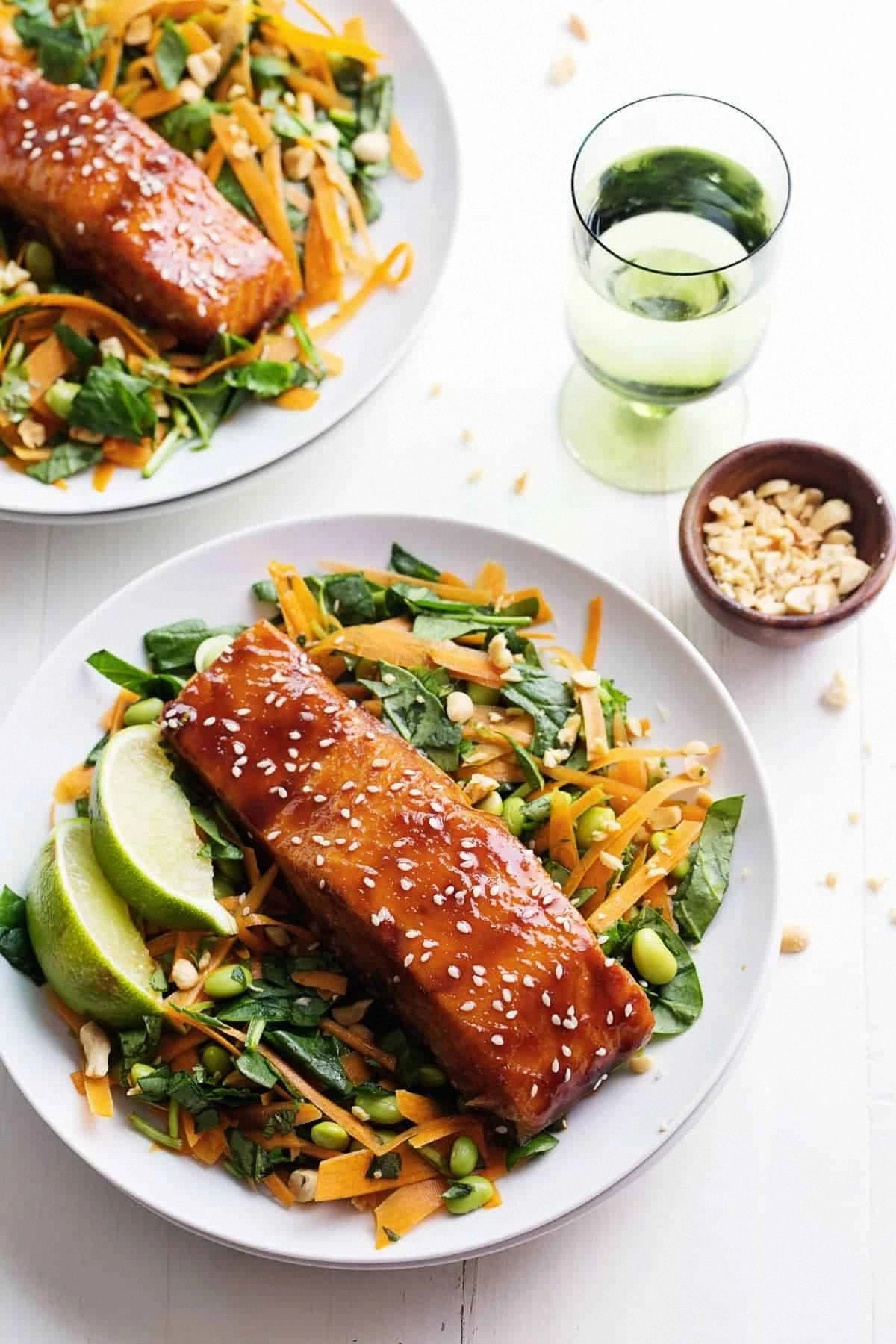
Picture yourself pulling a tray of glossy salmon out of the oven, the kitchen humming with a fragrant chorus that tells your guests, “You’re in for a treat.” The fish flakes effortlessly, revealing a tender pink interior, while the glaze forms a caramelized edge that shatters like thin ice under a fork. I dare you to taste this and not go back for seconds — it’s that good. Most home cooks get the glaze too sweet or too thin; I’ve cracked the code, and it’s all about timing, temperature, and a dash of confidence. Okay, ready for the game‑changer? Let me walk you through every single step — by the end, you’ll wonder how you ever made it any other way.
What Makes This Version Stand Out
- Flavor Harmony: The blend of hoisin, soy, and honey creates a sweet‑savory symphony, while lime juice adds a bright counterpoint that keeps the palate from feeling heavy.
- Texture Contrast: A quick sear gives the fillets a crisp, caramelized crust that shatters like delicate glass, juxtaposed with a buttery, melt‑in‑your‑mouth interior.
- Simplicity: With just ten pantry staples, you can nail a restaurant‑quality dish without a trip to a specialty store.
- Unique Twist: Adding a splash of rice vinegar (or lime) cuts through the sweetness, a secret many recipes overlook.
- Crowd‑Pleaser: Even the pickiest eaters love the glossy glaze; it looks impressive and tastes even better.
- Ingredient Quality: Fresh, wild‑caught salmon elevates the dish, but you can also use responsibly farmed fillets for a sustainable option.
- Cooking Method: A brief high‑heat sear followed by a gentle finish in the oven ensures even cooking without drying out the fish.
- Make‑Ahead Potential: The glaze can be prepared ahead of time and stored, reducing prep time on busy weeknights.
Inside the Ingredient List
The Flavor Base
Hoisin sauce is the hero, offering a deep, fermented sweetness that coats the salmon like velvet. If you’re missing hoisin, a mix of soy sauce, brown sugar, and a splash of Chinese five‑spice can mimic its complexity, though you’ll lose a hint of that distinctive umami. Fresh garlic, minced, adds an aromatic punch; skipping it would make the glaze feel flat, so don’t be shy about crushing those cloves. A teaspoon of freshly grated ginger injects brightness, cutting through the richness and preventing the glaze from feeling cloyingly sweet.
The Sweet‑Savory Duo
Soy sauce brings salty depth, balancing the hoisin’s sugary notes, while a tablespoon of honey adds a glossy sheen and a subtle floral undertone. If you prefer a lower‑glycemic option, swap honey for maple syrup or agave nectar; the flavor will shift slightly but stay delicious. The lime (or rice vinegar) introduces acidity, a crucial element that lifts the entire profile and keeps the fish from feeling oily. Without this bright splash, the glaze would cling too heavily, making each bite feel like a sugary glaze rather than a harmonious sauce.
The Texture Crew
A drizzle of sesame oil adds a toasted, nutty finish that lingers on the palate long after you’ve swallowed. For a lighter alternative, use a splash of avocado oil, which brings a clean flavor without competing with the hoisin. Chili flakes are optional but recommended; they provide a gentle heat that makes the glaze dance. If you’re not a fan of heat, a pinch of smoked paprika can give a subtle smoky depth without the spice.
The Final Flourish
Green onions, thinly sliced, offer a fresh, oniony bite that brightens the dish right before serving. You can also garnish with toasted sesame seeds for extra crunch. Salt and pepper to taste are the final seasoning touches; they enhance the natural flavor of the salmon and ensure the glaze isn’t overly sweet. Remember, the quality of the salmon matters—look for bright, firm flesh with a subtle oceanic scent. If you’re buying frozen, thaw it slowly in the fridge overnight for the best texture.
Everything's prepped? Good. Let's get into the real action…
The Method — Step by Step
First, pat the salmon fillets dry with paper towels; moisture is the enemy of a good sear. Season each side lightly with salt and pepper, then set them aside while you assemble the glaze. This step is crucial because a dry surface will caramelize, giving you that coveted crispy edge.
In a small saucepan, combine the hoisin sauce, soy sauce, honey, minced garlic, grated ginger, and lime juice. Bring the mixture to a gentle simmer over medium‑low heat, stirring constantly to avoid scorching. The glaze should thicken slightly, coating the back of a spoon without clumping.
Kitchen Hack: Add a splash of water if the glaze thickens too fast; you can always reduce it a little longer.Heat a large, oven‑safe skillet (preferably cast iron) over medium‑high heat and add the sesame oil. Once the oil shimmers, lay the salmon fillets skin‑side down if they have skin, or flesh side down if skinless. Hear that sizzle? That’s the sound of flavor building. Let the fish cook undisturbed for about 3‑4 minutes, until the edges turn opaque and the skin crisps up.
Flip the fillets gently with a spatula, then brush a generous layer of the hoisin glaze onto the cooked side. The glaze should start to bubble and caramelize instantly, forming a glossy, amber‑colored coating. If you notice the glaze smoking, lower the heat slightly; you want a steady, sweet‑savory crust, not burnt sugar.
Transfer the skillet to a pre‑heated oven at 400°F (200°C) and bake for 6‑8 minutes, depending on the thickness of your fillets. The internal temperature should reach 125‑130°F for a perfectly medium‑rare center. While the oven does its magic, the glaze will deepen in color, creating that irresistible caramelized sheen.
Remove the skillet from the oven and give the salmon one final brush of glaze for that extra glossy finish. Sprinkle the sliced green onions and, if you like, a pinch of chili flakes for a subtle heat. The green onions add a fresh bite that cuts through the richness, while the chili flakes provide a lingering warmth.
Let the salmon rest for 2‑3 minutes before serving; this allows the juices to redistribute and the glaze to set. During this brief pause, you’ll notice the aroma intensifying, a final teaser before the first forkful.
Serve the glazed salmon over a bed of steamed jasmine rice or alongside sautéed bok choy for a complete meal. The rice will soak up any leftover glaze, turning each bite into a harmonious blend of textures and flavors. And there you have it — a restaurant‑worthy dish that’s surprisingly simple to pull off.
That's it — you did it. But hold on, I've got a few more tricks that'll take this to another level...
Insider Tricks for Flawless Results
The Temperature Rule Nobody Follows
Never cook salmon straight from the fridge; let it sit at room temperature for 15‑20 minutes. This ensures even cooking and prevents the outside from overcooking while the center stays raw. I once rushed this step and ended up with a mushy middle that felt like a wet sponge. The rule of thumb: the cooler the fish, the longer it needs to reach that perfect medium‑rare.
Why Your Nose Knows Best
Your sense of smell is a secret weapon. When the glaze starts to caramelize, you’ll notice a sweet, nutty aroma that signals it’s ready to flip. If you’re unsure, trust the scent rather than the clock; the moment the smell turns slightly smoky, lower the heat. I’ve saved countless batches by listening to that fragrant cue.
The 5‑Minute Rest That Changes Everything
After the oven, let the salmon rest uncovered for a few minutes. This short pause allows the glaze to firm up and the fish fibers to relax, giving you cleaner slices and a juicier bite. Skipping this step results in a soggy coating that slides off the plate. Resting is the silent hero behind a glossy, picture‑perfect finish.
Glaze Rescue: The Quick Fix
If the glaze thickens too much while you’re brushing, whisk in a teaspoon of warm water to loosen it. This keeps the glaze fluid enough to coat without clumping. Too much water? Add a dash more hoisin to bring back the intensity. It’s a small adjustment that makes a huge difference in texture.
Pan Choice Matters
A heavy‑bottomed cast‑iron skillet distributes heat evenly, preventing hot spots that can scorch the glaze. If you only have a non‑stick pan, preheat it slowly and avoid high flame; otherwise you’ll end up with a burnt layer. The right pan is the foundation of a flawless crust.
Creative Twists and Variations
This recipe is a playground. Here are some of my favorite ways to switch things up:
Spicy Sriracha Splash
Add a tablespoon of sriracha to the glaze for a bold, fiery kick. The heat pairs perfectly with the sweet hoisin, creating a balanced heat‑sweet dance that will wow spice lovers.
Citrus‑Infused Delight
Swap lime juice for orange zest and a splash of orange juice. The bright citrus notes lift the glaze, making it feel lighter and more refreshing, ideal for summer evenings.
Nutty Crunch Variation
Stir in toasted chopped peanuts or cashews right before serving. The added crunch contrasts with the silky salmon and adds a buttery nuttiness that deepens the flavor profile.
Herb‑Forward Fusion
Incorporate finely chopped cilantro and a drizzle of basil‑infused oil after plating. The herbaceous aroma gives the dish an unexpected fresh twist, perfect for those who love garden flavors.
Low‑Sugar Light
Replace honey with a sugar‑free maple substitute and reduce the hoisin by a quarter. The glaze stays glossy but carries fewer calories, making it a guilt‑free indulgence without sacrificing taste.
Storing and Bringing It Back to Life
Fridge Storage
Place leftover salmon in an airtight container, drizzle a tiny splash of water over the top, and seal tightly. It will keep fresh for up to 3 days; the water creates steam when reheated, reviving the glaze’s shine.
Freezer Friendly
Wrap each fillet individually in parchment, then freeze in a zip‑lock bag. The glaze holds up well, and the fish can be frozen for up to 2 months. Thaw overnight in the fridge before reheating to preserve texture.
Best Reheating Method
Reheat gently in a preheated oven at 300°F (150°C) for 10‑12 minutes, covering loosely with foil to retain moisture. Add a teaspoon of water or broth before covering; the steam will bring the glaze back to life, making each bite taste as fresh as the original.