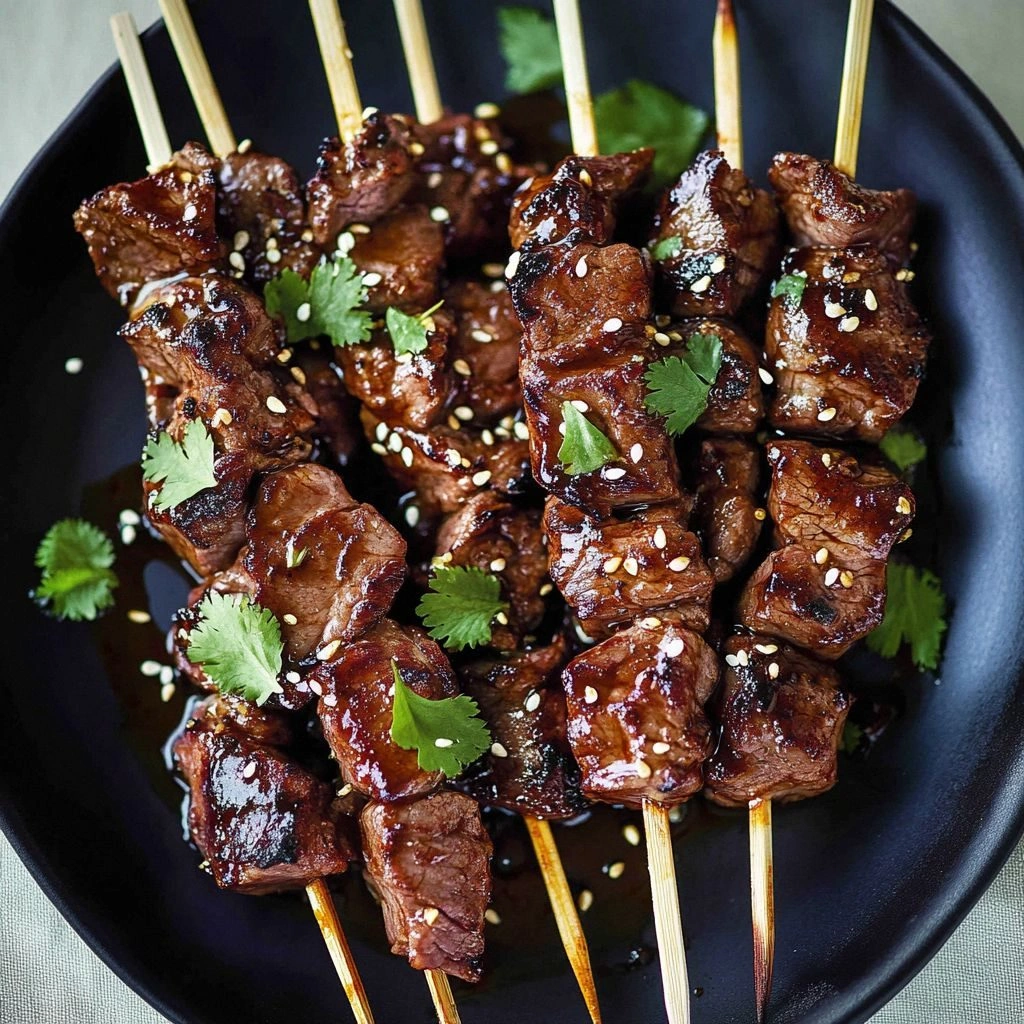
Picture this: it’s a rainy Saturday afternoon, the kitchen lights flicker, and I’m staring at a pile of overripe lamb shanks that have been sitting in the fridge for days. I had a craving for something that could turn that humble cut into a showstopper, something that would make the whole house smell like a gourmet restaurant. That moment sparked a culinary experiment that would soon become my “Melt-in-Your-Mouth Pomegranate” revelation. I was determined to create a dish that not only rescued the shanks but also elevated them with a tangy, sweet, and savory symphony that would make everyone ask for seconds. And trust me, I dare you to taste this and not go back for seconds.
When I first cracked open the jar of pomegranate molasses, the aroma hit me like a citrusy punch—rich, slightly acidic, and utterly intoxicating. The sound of the lamb sizzling in the pan was a low, steady thrum that promised depth. I could already taste the caramelized edges of the meat, the smoky undertone from the rosemary, and the subtle bitterness that would balance the sweetness of the pomegranate. The texture of the lamb, when slow-cooked to a fall‑off‑the‑bone tenderness, would be a buttery melt against the palate. And the final flourish of fresh pomegranate seeds would provide a pop of juicy crunch, a contrast that would leave the dish alive and vibrant. If you’ve ever struggled with making lamb shanks that feel like a special occasion, you’re not alone—this recipe has the fix.
What sets this version apart from the countless lamb shank recipes you’ll find online is the deliberate layering of flavors and the meticulous control over texture. The pomegranate molasses doesn’t just sweeten; it deepens the meat’s natural umami, turning each bite into a complex, almost velvety experience. The slow braising technique ensures that the lamb’s connective tissues break down into a silky sauce that coats the meat like velvet, while the aromatics—rosemary, thyme, and garlic—infuse every inch of the shank with fragrant depth. I’ve discovered that a splash of red wine at the right moment adds a subtle fruitiness that complements the pomegranate’s tartness, creating a harmonious balance that is both bold and refined. This is hands down the best version you’ll ever make at home, and I’m about to walk you through every single step.
By the end of this guide, you’ll wonder how you ever made lamb shanks any other way. The process is straightforward, yet each step is crafted to bring out the maximum flavor and tenderness. You’ll learn why I keep a few tricks handy, how to avoid common pitfalls, and how to present the dish like a pro. So, grab your apron, set the stove to medium, and let’s dive into a culinary adventure that will leave your taste buds dancing.
What Makes This Version Stand Out
- Flavor Depth: The pomegranate molasses provides a sweet‑acidic backbone that cuts through the richness of the lamb, creating a balanced, memorable taste profile.
- Texture Magic: Slow braising at a low temperature breaks down collagen into gelatin, giving the sauce a silky, almost custard‑like consistency that clings to each shank.
- Aromatic Bouquet: Fresh rosemary and thyme, coupled with garlic, release essential oils that elevate the dish from ordinary to extraordinary.
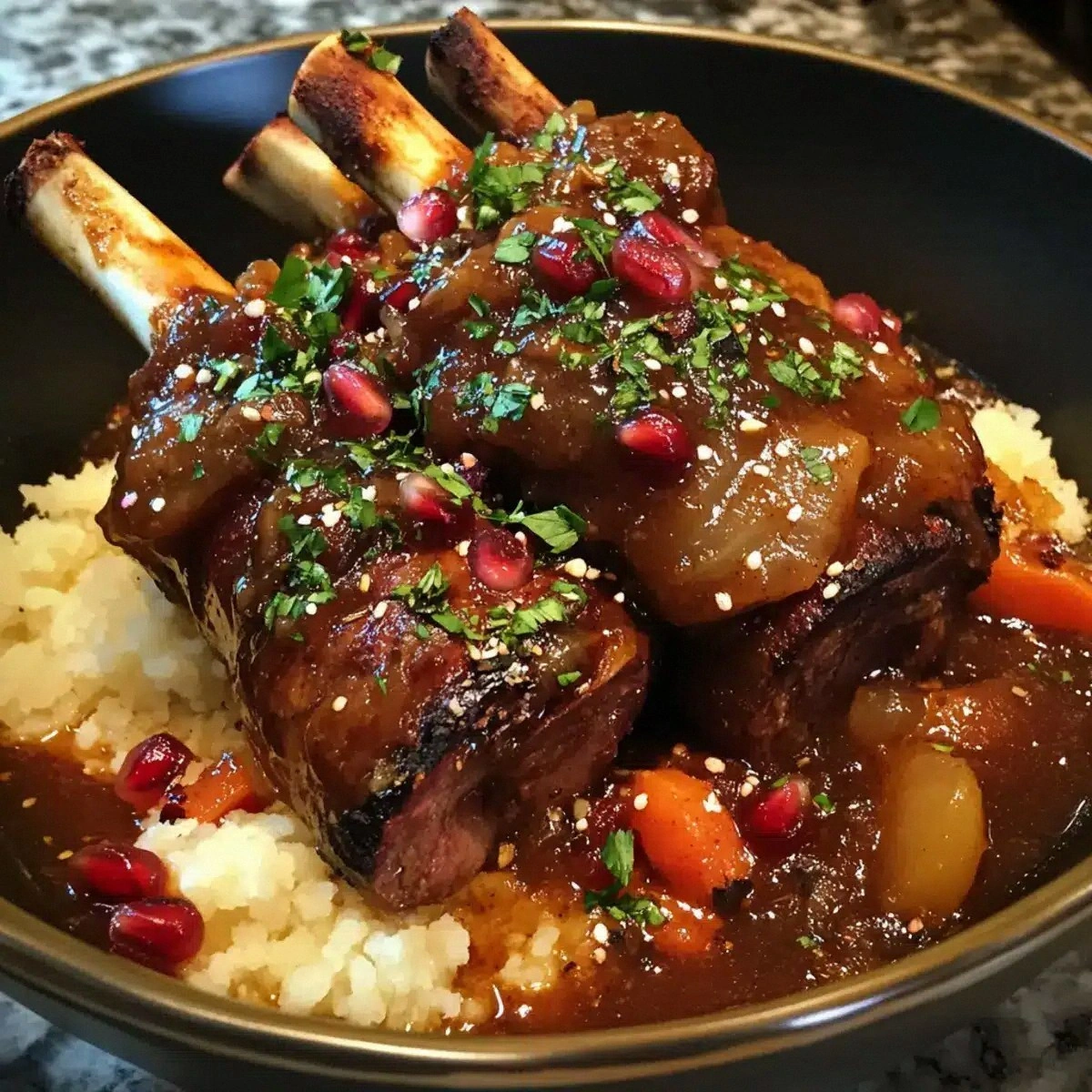
- Visual Appeal: The glossy, dark sauce and bright pomegranate seeds give the plate a stunning contrast that’s as pleasing to the eye as it is to the palate.
- Make‑Ahead Friendly: Once braised, the dish can be reheated without loss of flavor, making it perfect for entertaining or meal prep.
- Health Conscious: Using lean lamb shanks and reducing added sugars keeps the dish heart‑healthy while still indulgent.
Inside the Ingredient List
The Flavor Base
The foundation of this dish is a classic braising liquid that marries the savory essence of lamb with the sweet tang of pomegranate molasses. The 2 cups of beef or lamb broth provide depth, while the 1/2 cup of red wine adds a subtle fruity acidity that balances the molasses. Together, they create a sauce that coats the meat like a silky blanket. Skipping the wine will result in a flatter, less complex flavor profile, so keep it in the mix.
If you’re in a pinch and don’t have lamb broth on hand, a high‑quality beef broth will work just fine. For a vegetarian twist, replace the broth with vegetable stock, though the richness will differ slightly. The key is to choose a broth that’s low in sodium so you can control the seasoning later.
The Texture Crew
The lamb shanks themselves are the star of the show, but their texture hinges on the braising technique. By searing the shanks first, you develop a Maillard reaction that locks in flavor. The slow cooking at 325°F (163°C) for about 2 hours allows the connective tissue to break down into gelatin, giving the meat a tender, melt‑in‑your‑mouth feel. If you rush the process, the shanks will come out tough and chewy.
The olive oil used for searing also plays a crucial role; it helps the spices adhere to the meat and prevents sticking. A tablespoon of butter added at the end of braising can give the sauce a glossy finish, but it’s optional if you’re watching fat intake.
The Unexpected Star
Pomegranate molasses is the secret weapon that turns this dish from good to unforgettable. It’s a thick, syrupy reduction of pomegranate juice that carries a natural sweetness paired with a tart punch. The molasses not only sweetens but also caramelizes during braising, adding a subtle depth of flavor that is hard to replicate with regular pomegranate juice. If you can’t find molasses, a combination of pomegranate juice and a splash of balsamic vinegar can mimic its profile.
Pomegranate seeds add a burst of color and texture, providing a juicy pop that contrasts with the silky sauce. Toss them in just before serving to maintain their crunch. They also add a hint of natural sweetness that complements the molasses beautifully.
The Final Flourish
Fresh herbs like rosemary, thyme, and a touch of parsley or mint bring bright, herbal notes that cut through the richness. The garlic adds a savory backbone, while the onion brings sweetness and body to the sauce. The tomato paste deepens the color and adds a slight umami boost. Together, these components create a layered flavor profile that keeps the dish intriguing from the first bite to the last.
If you prefer a different herb profile, try sage or bay leaves, but keep in mind they’ll alter the aromatic balance. The key is to use fresh herbs whenever possible, as they deliver a brighter, cleaner flavor than dried ones.
Everything’s prepped? Good. Let’s get into the real action…
The Method — Step by Step
- Season the lamb shanks generously with salt and freshly ground black pepper. Heat a large Dutch oven over medium‑high heat, add 2 tablespoons of olive oil, and sear the shanks on all sides until a deep brown crust forms. This caramelized exterior will lock in juices and create a flavor base that’s impossible to beat. Don’t rush—let each side brown for 3–4 minutes.
- Remove the shanks and set them aside. In the same pot, add a finely chopped medium onion and 4 minced garlic cloves. Sauté until the onion turns translucent, about 5 minutes. The onion will form a sweet base that complements the savory lamb. If the onion starts to stick, add a splash of broth.
- Stir in 2 tablespoons of tomato paste and cook for 2 minutes until it darkens slightly. This step deepens the sauce’s color and adds a subtle umami richness that pairs perfectly with the pomegranate molasses. The tomato paste also helps thicken the braising liquid.
- Pour in 1/2 cup of pomegranate molasses, 1/2 cup of red wine, and 2 cups of broth. Bring the mixture to a gentle simmer, scraping up any browned bits from the bottom of the pot. These fond bits are packed with flavor and will enrich the sauce.
- Return the seared shanks to the pot, nestling them into the liquid. Add 2 fresh sprigs of rosemary and 2 sprigs of thyme. Reduce the heat to low, cover the pot, and let the lamb braise for about 90 minutes, or until the meat is fork‑tender and falls away from the bone.
- Halfway through, stir the sauce gently to ensure even cooking and to prevent sticking. If the liquid level drops too low, add a splash more broth. The goal is a thick, glossy sauce that coats the meat beautifully.
- Once the lamb is tender, remove the pot from heat. Let the shanks rest for 10 minutes to allow the juices to redistribute. This resting period ensures that each bite is moist and flavorful.
- While the lamb rests, strain the braising liquid through a fine mesh sieve into a saucepan. Return the liquid to the stove, reduce to a simmer, and let it thicken to a sauce consistency. Stir in 1/2 cup of fresh pomegranate seeds and 1/4 cup of chopped parsley or mint for a burst of color and freshness.
- Plate the lamb shanks, spooning the reduced sauce over each one. Garnish with additional pomegranate seeds and a sprinkle of fresh herbs. The final dish should look like a jewel: glossy, deep, and speckled with bright red seeds.
That’s it—you did it. But hold on, I’ve got a few more tricks that will take this to another level. Let’s dive into insider knowledge that will make your lamb shanks the talk of the table.
Insider Tricks for Flawless Results
The Temperature Rule Nobody Follows
Many cooks believe that higher heat will speed up braising, but that’s a myth. Maintaining a low, steady temperature of 325°F (163°C) ensures that the collagen breaks down into gelatin without scorching the sauce. A higher heat can cause the sauce to reduce too quickly, resulting in a bitter flavor and a dry finish. Keep the lid on to trap steam, which keeps the meat moist.
Why Your Nose Knows Best
Smelling the sauce as it cooks is a reliable way to gauge readiness. When the liquid begins to bubble gently and the aroma becomes rich and caramelized, it’s time to reduce the sauce. A strong, sweet aroma indicates that the pomegranate molasses has caramelized, adding depth to the flavor profile. If the aroma is flat, give it a few more minutes.
The 5‑Minute Rest That Changes Everything
Resting the lamb shanks after braising lets the juices redistribute, ensuring each bite is juicy. Skipping this step often leads to dry meat that pulls apart unevenly. Even a short 5‑minute rest can make a noticeable difference in mouthfeel. Cover the shanks loosely with foil to keep them warm.
Fresh Herbs Over Dried
Fresh rosemary and thyme bring a bright, clean flavor that dried herbs lack. Dried herbs can taste bitter or muted, especially when cooked for a long time. If you only have dried herbs, use them sparingly—about one third the amount of fresh—and add them in the last 10 minutes of cooking to preserve their potency.
Add a Splash of Water Before Reheating
When reheating leftovers, add a splash of water or broth to the sauce. This prevents the sauce from drying out and helps it re‑emulsify around the lamb. Reheat gently on low heat, stirring occasionally. The result is a sauce that feels freshly made, not reheated.
Creative Twists and Variations
This recipe is a playground. Here are some of my favorite ways to switch things up:
Spicy Saffron Twist
Add a pinch of saffron threads and a dash of cayenne pepper to the braising liquid. The saffron imparts a subtle floral note, while the cayenne adds a gentle heat that contrasts the sweetness of the pomegranate. This version is perfect for those who love a little kick.
Miso‑Glazed Variant
Swap the tomato paste for a tablespoon of white miso paste. The miso adds umami depth and a slightly salty finish. Pair it with a splash of soy sauce to enhance the savory profile. This Asian‑inspired take works beautifully with the pomegranate molasses.
Vegetarian “Shanks”
Use hearty mushrooms or seared tofu blocks in place of lamb shanks. Braise them in the same liquid, and they’ll absorb the flavors wonderfully. This version is ideal for vegetarians who still crave a rich, meaty experience.
Citrus‑Infused Finish
Finish the sauce with a squeeze of fresh lemon juice and a drizzle of orange zest. The citrus brightens the dish, cutting through the richness and adding a refreshing finish. Serve over a bed of couscous or quinoa for a complete meal.
Smoky Chipotle Addition
Introduce a small amount of chipotle in adobo sauce during the last 15 minutes of braising. The smokiness complements the pomegranate’s tartness, creating a layered, complex flavor profile. This version is great for those who enjoy smoky, earthy tones.
Storing and Bringing It Back to Life
Fridge Storage
Cool the dish completely before transferring it to an airtight container. Store in the refrigerator for up to 4 days. The sauce will thicken as it cools, but it will still cling beautifully to the meat when reheated.
Freezer Friendly
For longer storage, divide the lamb shanks and sauce into freezer‑safe containers. Label each with the date and freeze for up to 3 months. When ready, thaw overnight in the refrigerator before reheating.
Best Reheating Method
Reheat the sauce on low heat, adding a splash of water or broth to prevent drying. Warm the lamb shanks in a skillet or oven at 300°F (149°C) for 10–15 minutes until heated through. The result is a dish that tastes as good as when it was first made.