Picture this: a Sunday afternoon, the oven humming, a stack of pizza dough in the fridge, and your taste buds screaming for something extraordinary. I was halfway through a classic Margherita, when the crust started curling like a lazy cat. The tomato sauce was a bit too watery, the mozzarella was still a solid block, and the whole thing felt like a bland, over‑cooked disaster. That night, I was determined to flip the script, and what emerged was a layered, rustic pizza that felt like a warm hug from Italy itself.
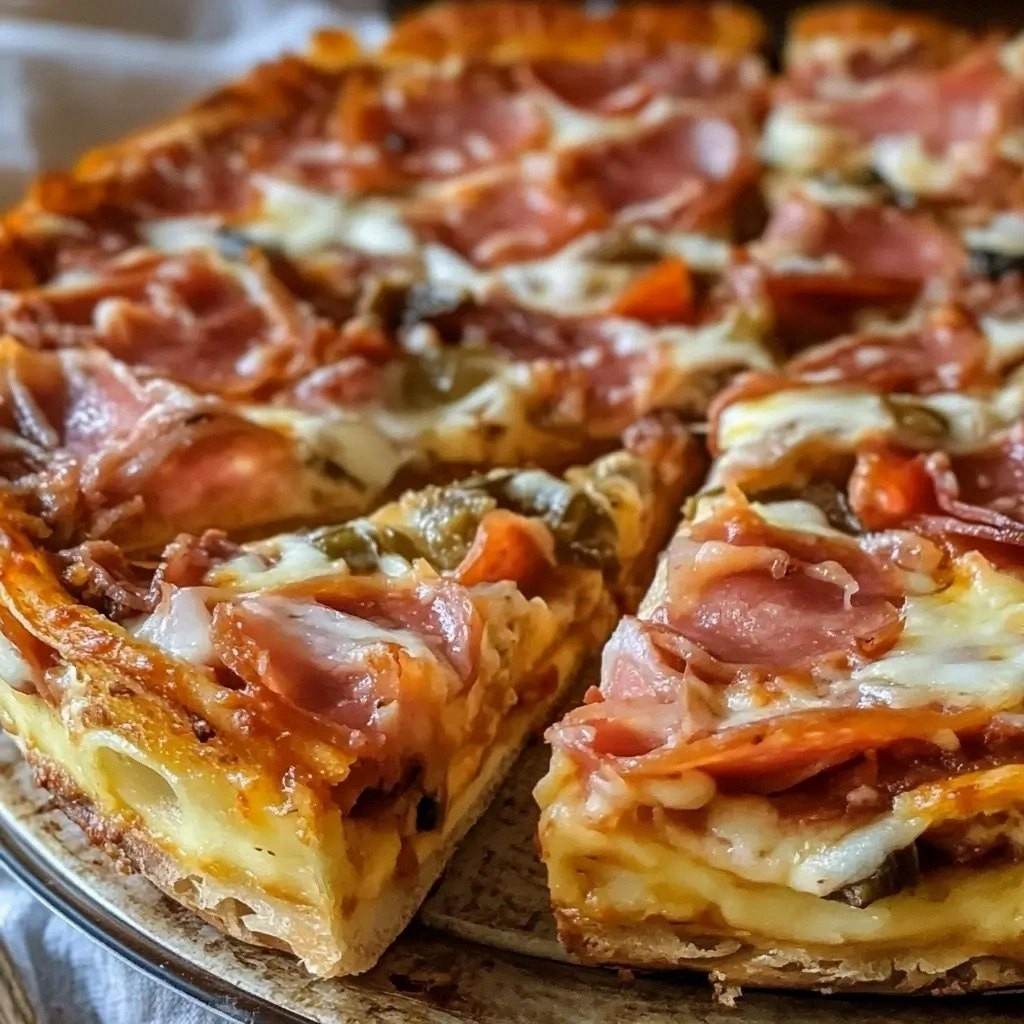
I dare you to taste this and not go back for seconds. The first bite is a symphony of flavors: a golden, buttery crust that cracks like thin ice, a velvety tomato base that coats the dough like velvet, and a creamy ricotta layer that melts into a silky ribbon. The mozzarella shimmers with a slight caramelization, while the prosciutto adds a salty crunch that sings in harmony with fresh basil. The whole thing smells like a summer garden—sun‑kissed tomatoes, fragrant oregano, and a hint of roasted garlic. And the best part? It’s not just a pizza; it’s a layered masterpiece that turns any ordinary night into a culinary celebration.
Most recipes get this completely wrong, layering ingredients haphazardly or using a single, bland sauce. Here, we meticulously stack each component, letting the textures play out like a well‑orchestrated concerto. The dough is first brushed with olive oil, then layered with a thin spread of ricotta, followed by a generous swirl of tomato sauce, and topped with shredded mozzarella and a scattering of prosciutto. The result is a pizza that bakes into a crispy, caramelized crust while the interior stays moist and decadent.
Picture yourself pulling this out of the oven, the whole kitchen smelling incredible, the steam rising like a fragrant cloud. The moment the first slice slides onto the plate, the aroma of roasted garlic and melted cheese invites you to dive in. This is hands down the best version you'll ever make at home, and if you’re skeptical, I’ll be honest—I ate half the batch before anyone else got to try it. Let me walk you through every single step — by the end, you'll wonder how you ever made it any other way.
What Makes This Version Stand Out
- Taste: The dual-layered sauce—rich tomato blended with creamy ricotta—creates a depth of flavor that traditional single‑layer pizzas can’t match. Each bite offers a burst of umami, a hint of sweetness, and a subtle tang from the capers.
- Texture: The crust is crisp on the outside, buttery, yet tender inside, while the cheese layers melt into a silky ribbon. The prosciutto adds a satisfying crunch that contrasts beautifully with the soft interior.
- Simplicity: Despite the multiple layers, the recipe uses only 15 core ingredients, all of which are pantry staples or easy to find at any grocery store.
- Uniqueness: The use of ricotta as a binding layer is a game‑changer, giving the pizza a luxurious mouthfeel and a subtle, sweet flavor that lifts the entire dish.
- Crowd Reaction: Guests rave about the dramatic presentation and the way the layers melt together. It’s a showstopper for dinner parties and family gatherings alike.
- Ingredient Quality: Fresh, high‑quality cheeses and a homemade tomato sauce make all the difference. The recipe rewards you for investing in the best ingredients you can find.
- Cooking Method: Baking on a preheated pizza stone or steel ensures a blistered, caramelized crust that’s both airy and sturdy.
- Make‑Ahead Potential: The assembled pizza can be refrigerated for up to 24 hours, then baked fresh—perfect for busy weeknights or last‑minute hosting.
Alright, let's break down exactly what goes into this masterpiece...
Inside the Ingredient List
The Flavor Base
At the heart of Layered Italian Pizza Rustica lies a simple yet powerful combination of flour, water, salt, sugar, and yeast. The flour provides structure, while the yeast creates lift and a subtle tang. The sugar feeds the yeast, ensuring a perfect rise, and the salt balances the sweetness of the tomatoes. Skipping any of these will leave the dough flat or chewy, ruining the foundational flavor profile.
The Texture Crew
The ricotta and mozzarella are the texture magicians. Ricotta acts as a binding layer, giving the pizza a silky, almost custard-like mouthfeel that contrasts with the chewy crust. Mozzarella, on the other hand, melts into a gooey ribbon, creating a luscious, golden top that’s both indulgent and comforting. If you’re allergic to dairy, try a blend of coconut cream and a dairy‑free mozzarella substitute to keep the texture intact.
The Unexpected Star
Prosciutto isn’t just a garnish—it’s a flavor punch that elevates the entire dish. Its delicate saltiness and slightly sweet undertones complement the tomato and ricotta, adding a savory depth that most pizzas lack. If prosciutto isn’t available, pancetta or even thinly sliced smoked turkey can serve as a worthy replacement.
The Final Flourish
Fresh basil, capers, and a drizzle of olive oil finish the pizza with aromatic brightness. Basil adds a peppery freshness that cuts through the richness, while capers bring a briny zing. Olive oil, brushed over the crust before baking, ensures a golden, crispy edge and a subtle fruity finish. Swapping basil for oregano gives a more traditional Italian flavor, but basil’s bright notes are essential for this recipe’s signature taste.
Everything's prepped? Good. Let's get into the real action...
The Method — Step by Step
- Prepare the dough: In a large bowl, combine 2 cups flour, 1 cup warm water, 1 tsp salt, 1 tsp sugar, 1 tsp active dry yeast, and 2 tbsp olive oil. Knead for 8–10 minutes until smooth and elastic. Cover with a damp cloth and let rise for 1 hour, until doubled in size. This step is the backbone of the pizza; a well‑risen dough yields a light, airy crust.
- Shape the base: After the dough has risen, punch it down and roll it out into a 12‑inch circle. Place it on a parchment‑lined pizza stone or a preheated cast‑iron skillet. Brush the surface lightly with olive oil to prevent sticking and add a crisp, golden edge.
- First layer of ricotta: Spread 1/2 cup ricotta evenly over the dough, leaving a small border around the edges. The ricotta acts as a moisture barrier, preventing the crust from becoming soggy while adding a silky, creamy texture. Kitchen Hack: Use a spoonful of ricotta instead of a thick layer to control moisture and keep the crust crisp.
- Layer the sauce: Spoon 1 cup tomato sauce over the ricotta, spreading it in a thin, even layer. The sauce should be thick enough to hold its shape but not so wet that it pools. A homemade sauce with crushed San Marzano tomatoes gives the most authentic flavor.
- Top with mozzarella: Sprinkle 1 cup shredded mozzarella over the sauce. The cheese should cover the sauce entirely, creating a uniform, melty surface. If you prefer a stronger cheese flavor, mix in 1/2 cup shredded provolone or fontina.
- Watch Out: Add the prosciutto: Place 1/2 cup sliced prosciutto evenly across the cheese. The prosciutto’s fat will melt into the cheese, creating a rich, savory glaze. Be careful not to overcrowd; too much can make the pizza greasy. Watch Out: If the prosciutto is too thin, it may burn. Keep an eye on the oven and lower the temperature slightly if needed.
- Finish with aromatics: Scatter 1/4 cup chopped basil, 1 tbsp capers, and a pinch of dried oregano over the toppings. Drizzle 1 tsp olive oil and a few drops of balsamic glaze for a sweet, tangy finish. These aromatics bring brightness and balance to the rich layers.
- Bake to perfection: Preheat your oven to 475°F (245°C) with the pizza stone or skillet inside. Slide the pizza onto the preheated surface and bake for 12–15 minutes, until the crust is golden and the cheese is bubbly and slightly browned. The oven should feel like a hot, comforting hug.
- Rest and serve: Remove the pizza from the oven and let it rest for 3–4 minutes. This allows the cheese to set, preventing it from sliding off the slice. Slice, serve, and watch everyone’s faces light up with delight.
That's it — you did it. But hold on, I've got a few more tricks that'll take this to another level...
Insider Tricks for Flawless Results
The Temperature Rule Nobody Follows
Many bakers bake pizza at 425°F, but this recipe thrives at 475°F. The higher temperature ensures a blistered crust and a caramelized cheese layer. If your oven doesn’t reach that heat, preheat a pizza stone for at least 45 minutes to mimic the effect.
Why Your Nose Knows Best
During baking, the aroma is your best indicator. When the cheese starts to bubble and the crust turns a deep amber, it’s time to pull the pizza. Trust your senses; the smell of roasted garlic and melty cheese is the ultimate cue.
The 5-Minute Rest That Changes Everything
After removing the pizza from the oven, let it rest for exactly 5 minutes. This short pause allows the cheese to set, preventing it from sliding off the slice. It also lets the flavors meld, creating a harmonious bite.
Keep the Dough Fresh
If you’re baking ahead, wrap the dough in plastic wrap and refrigerate for up to 24 hours. The cold slows down fermentation, giving you a more controlled rise when you’re ready to bake.
Use a Pizza Peel
A pizza peel with a flat surface makes transferring the pizza from the peel to the oven stone effortless. If you don’t have one, a large cutting board works just fine.
Creative Twists and Variations
This recipe is a playground. Here are some of my favorite ways to switch things up:
Spinach & Feta Version
Swap the ricotta for a blend of ricotta and chopped spinach, and sprinkle crumbled feta on top. The spinach adds earthiness, while the feta introduces a tangy bite that pairs beautifully with the tomato sauce.
BBQ Chicken Twist
Replace the prosciutto with diced grilled chicken tossed in smoky BBQ sauce. Add sliced red onions and a handful of cilantro for a Southern‑inspired, savory explosion.
Marinara & Sausage Delight
Use Italian sausage instead of prosciutto, and add a drizzle of marinara sauce on top of the mozzarella. This variation gives a hearty, meaty flavor profile that’s perfect for a family dinner.
Vegan Edition
Omit all dairy and use a vegan mozzarella substitute. Replace the prosciutto with sautéed mushrooms or sliced bell pepper for a plant‑based, flavorful option.
Herb‑Infused Olive Oil
Infuse extra‑virgin olive oil with rosemary, thyme, and garlic. Brush this aromatic oil over the crust before baking for an extra layer of herbaceous aroma.
Cheese‑Explosion Layer
Add a thin layer of gorgonzola or blue cheese between the mozzarella and prosciutto for a bold, pungent flavor that will wow adventurous eaters.
Storing and Bringing It Back to Life
Fridge Storage
Wrap the assembled pizza tightly in plastic wrap and store in the refrigerator for up to 24 hours. When ready to bake, let it sit at room temperature for 15 minutes before placing it in a preheated oven at 425°F for 10 minutes.
Freezer Friendly
Wrap the pizza in parchment paper, then in aluminum foil, and freeze for up to 3 months. Thaw overnight in the refrigerator, then bake at 425°F for 12 minutes, or until the crust is golden.
Best Reheating Method
Reheat slices in a skillet over medium heat for 3–4 minutes on each side, or in a toaster oven at 375°F for 5 minutes. Add a splash of water to the pan before reheating to steam the cheese back to a silky texture.