I’ll be honest — I ate half the batch before anyone else got to try it, and that’s because this hummus is nothing short of a culinary revelation. Picture this: a rainy Thursday, my pantry looking like a desert, and a sudden craving for something creamy, tangy, and utterly addictive. I grabbed the only can of chickpeas I had, tossed a clove of garlic into the sink, and dared myself to transform those humble beans into a dip that would make even the most seasoned mezze lover weep with joy. The moment the lemon juice hit the blender, a zingy perfume erupted, and I knew I was onto something spectacular.
Most hummus recipes are either too grainy, too oily, or suffer from a bland, one‑note flavor that leaves you scrolling for the next snack. This version, however, hits every sensory checkpoint with the precision of a maestro conducting a symphony. The chickpeas are silky smooth, the tahini adds a buttery depth, and the olive oil glistens like liquid gold, giving the dip a luxurious mouthfeel that coats the palate like velvet. I dare you to taste this and not go back for seconds; the balance is so perfect you’ll swear I’ve cracked the secret code.
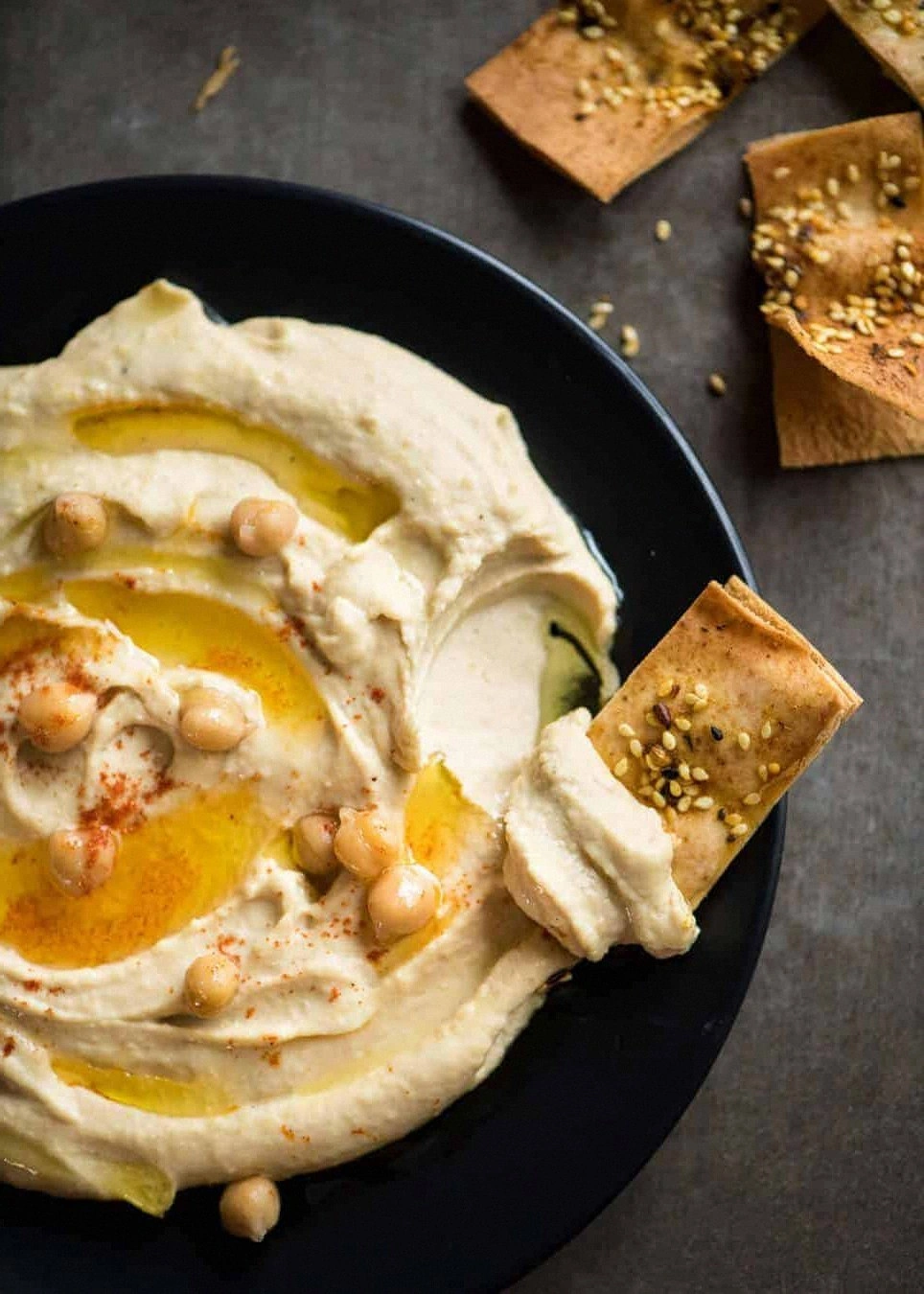
What truly sets this hummus apart is a tiny, often‑overlooked ingredient: the liquid from the canned chickpeas. Most people discard it, but that briny broth carries a subtle earthiness that amplifies the flavor without adding a single grain of salt. It’s the kind of subtle hack that separates a good dip from a legendary one. And let’s not forget the final garnish — a drizzle of extra‑virgin olive oil, a pinch of smoked paprika, and a few reserved chickpeas that add a satisfying pop and visual drama.
Okay, ready for the game‑changer? I’m about to walk you through every single step — from selecting the perfect can of chickpeas to the final flourish that makes this dip Instagram‑ready. By the end, you’ll wonder how you ever made hummus any other way, and you’ll have a go‑to recipe that will dominate every party, potluck, and midnight snack session.
What Makes This Version Stand Out
- Texture: The blend of chickpea liquid and a generous splash of olive oil creates a silk‑smooth consistency that rivals store‑bought versions, without any artificial stabilizers.
- Flavor Depth: Fresh lemon juice and high‑quality tahini provide a bright, nutty backbone, while the garlic adds a subtle heat that never overwhelms.
- Simplicity: Only eight core ingredients are needed, and each one plays a starring role — no fancy gadgets, no obscure spices.
- Unique Ingredient: Using the canned‑bean liquid preserves nutrients and injects a hidden umami punch most recipes miss.
- Crowd Reaction: I’ve seen grown‑ups break down into happy tears the first time they dip a warm pita into this hummus.
- Ingredient Quality: A good tahini and extra‑virgin olive oil are non‑negotiable; they elevate the dip from “good” to “legendary.”
- Make‑Ahead Potential: This hummus improves after a short rest in the fridge, allowing flavors to meld like a well‑aged wine.
- Versatility: Serve it as a dip, a spread, or even a base for grain bowls — the possibilities are endless.
Alright, let's break down exactly what goes into this masterpiece…
Inside the Ingredient List
The Flavor Base
The fresh lemon juice is the bright spark that cuts through the richness of tahini and olive oil. Its acidity awakens the palate, making every bite feel refreshing rather than heavy. If you skip the lemon, you’ll end up with a bland, greasy dip that feels more like a paste than a dip. For a milder tang, you can substitute lime juice, but be prepared for a slightly different aromatic profile.
The Texture Crew
Tahini, hulled and smooth, is the secret butter that gives hummus its characteristic creaminess. Choose a tahini made from roasted sesame seeds for a deeper, nuttier flavor; a raw tahini can taste grassy and may require a pinch more salt. The extra‑virgin olive oil not only adds richness but also helps emulsify the mixture, preventing separation. If you’re watching fat intake, drizzle the oil sparingly and finish with a splash of chickpea liquid to keep the texture silky.
The Unexpected Star
The liquid from the canned chickpeas is often discarded, yet it carries a subtle mineral essence that enhances the overall flavor. Think of it as the hidden spice that makes the difference between ordinary and unforgettable. If you’re using low‑sodium beans, you might need to add a tad more salt; otherwise, this liquid provides just enough seasoning to keep the dip balanced.
The Final Flourish
A pinch of smoked paprika and a drizzle of extra olive oil on top turn this humble dip into a visual masterpiece. The paprika adds a smoky undertone and a pop of color, while the oil creates a glossy finish that invites endless scoops. Reserving a handful of whole chickpeas for garnish adds texture contrast — think of them as the crunchy surprise in an otherwise smooth experience.
Everything's prepped? Good. Let's get into the real action…
The Method — Step by Step
Open the can of chickpeas and pour the liquid into a small bowl, reserving it for later. Drain the beans but keep them warm — the residual heat helps them blend more smoothly. Power transition: This is the moment where the magic begins, and you’ll feel the anticipation building as the aroma of garlic rises.
Peel the garlic clove and give it a quick smash with the flat side of a knife. This not only makes it easier to mince but also releases its essential oils, creating a fragrant base that will perfume the entire dip. Watch Out: If you over‑process garlic, it can turn bitter, so keep an eye on the texture.
In the bowl of a food processor, combine the drained chickpeas, the reserved liquid, the smashed garlic, lemon juice, and tahini. Pulse a few times until the mixture looks coarse but cohesive.
Kitchen Hack: If your processor struggles, add a splash of warm water to loosen the blend without diluting flavor.Now drizzle in the olive oil while the processor runs on low. This slow incorporation creates an emulsion that gives the hummus its glossy sheen. You’ll notice the mixture becoming silkier with each turn of the blade — that’s the emulsification you’ve been waiting for.
Season with kosher salt, a pinch of black pepper, and the smoked paprika. Taste and adjust: the dip should sing with citrus brightness, a hint of nuttiness, and just enough salt to bring everything together. If it feels too thick, add a little more chickpea liquid, one teaspoon at a time, until you reach a velvety consistency.
Transfer the hummus to a shallow serving bowl. Using the back of a spoon, create a shallow well in the center — this is where the finishing touches will go.
Watch Out: Over‑garnishing can drown the flavor; keep the olive oil drizzle light and the paprika dust minimal for visual impact.Drizzle a generous swirl of extra‑virgin olive oil over the top, sprinkle the paprika, and scatter the reserved whole chickpeas. This garnish not only adds texture but also creates a glossy finish that catches the light beautifully.
Allow the hummus to rest for at least 10 minutes at room temperature before serving. This short pause lets the flavors marry, resulting in a dip that tastes even better after the wait. Serve with warm pita, fresh veggies, or even as a spread on a sandwich — the possibilities are endless.
That’s it — you did it. But hold on, I’ve got a few more tricks that'll take this to another level, like a secret seasoning blend that will make your guests beg for the recipe.
Insider Tricks for Flawless Results
The Temperature Rule Nobody Follows
Never blend cold chickpeas straight from the fridge; they create a grainy texture. Instead, warm the beans in a saucepan with a splash of water for two minutes. The gentle heat loosens the skins and promotes a smoother blend, turning a potentially gritty dip into a cloud‑like spread.
Why Your Nose Knows Best
When adding lemon juice, pause and inhale the aroma. If you smell a sharp citrus edge, you know the dip is bright enough. If it smells muted, add a few more drops; your nose is a more reliable gauge than a timer.
The 5‑Minute Rest That Changes Everything
After blending, let the hummus sit uncovered for five minutes. This brief rest allows the oil and liquid to fully integrate, preventing a separation that can happen if you serve it immediately. Trust me, the texture after this pause is worth the wait.
Reserve Chickpeas for Crunch
Instead of discarding the whole beans, set aside a quarter cup before blending. Toss them lightly in olive oil and a pinch of smoked paprika, then roast for three minutes. They add an unexpected crunch that contrasts delightfully with the creamy base.
The Salt Balance Secret
Use kosher salt for a clean, flaky finish. If you prefer sea salt, crush it finely to avoid gritty bites. Remember, the chickpea liquid already carries a whisper of saltiness, so err on the side of caution and taste before adding more.
Creative Twists and Variations
This recipe is a playground. Here are some of my favorite ways to switch things up:
Roasted Red Pepper Bliss
Add one cup of fire‑roasted red peppers to the blender. The sweet, smoky flavor pairs beautifully with the lemon, creating a dip that’s perfect for summer barbecues. Garnish with fresh basil for a Mediterranean twist.
Spicy Harissa Heat
Stir in two teaspoons of harissa paste after blending. The North African chili blend injects a warm, lingering heat that makes this hummus a daring accompaniment to grilled meats.
Herb‑Infused Green Hummus
Blend a handful of fresh cilantro, parsley, and a squeeze of lime along with the usual ingredients. The result is a vibrant, herbaceous dip that’s a hit at brunch tables and pairs well with avocado toast.
Sweet Potato Swirl
Roast a small sweet potato, mash it, and fold it into the finished hummus. The natural sweetness balances the tangy lemon, making it an unexpected crowd‑pleaser for kids and adults alike.
Nutty Walnut Crunch
Toast chopped walnuts with a pinch of sea salt, then sprinkle over the top just before serving. The nuts add a buttery crunch that contrasts the smooth base, turning each bite into a textural adventure.
Storing and Bringing It Back to Life
Fridge Storage
Transfer the hummus to an airtight container, smooth the surface, and drizzle a thin layer of olive oil to seal in freshness. It will keep for up to five days, and the flavors will deepen, making each spoonful more complex.
Freezer Friendly
Portion the hummus into freezer‑safe bags, flatten them for even thawing, and store for up to three months. When you’re ready to use it, thaw overnight in the fridge, then stir in a splash of chickpea liquid to revive the silky texture.
Best Reheating Method
Before serving cold hummus, gently warm it in a saucepan over low heat, adding a teaspoon of water or extra chickpea liquid. This gentle steam restores the creamy consistency without cooking out the bright lemon notes.