I was standing in my kitchen, a half‑cooked spaghetti disaster looming behind me, when my roommate dared me: “Make a chicken parm that actually makes people cry—happy tears, not the onion kind.” I laughed, but the challenge lit a fire under my skillet. The air was already thick with the scent of garlic and simmering tomato sauce, a perfume that whispered, “We’re about to create something unforgettable.” I could feel the heat from the stove like a drumbeat, each sizzle a reminder that I was about to turn a simple comfort food into a legend.
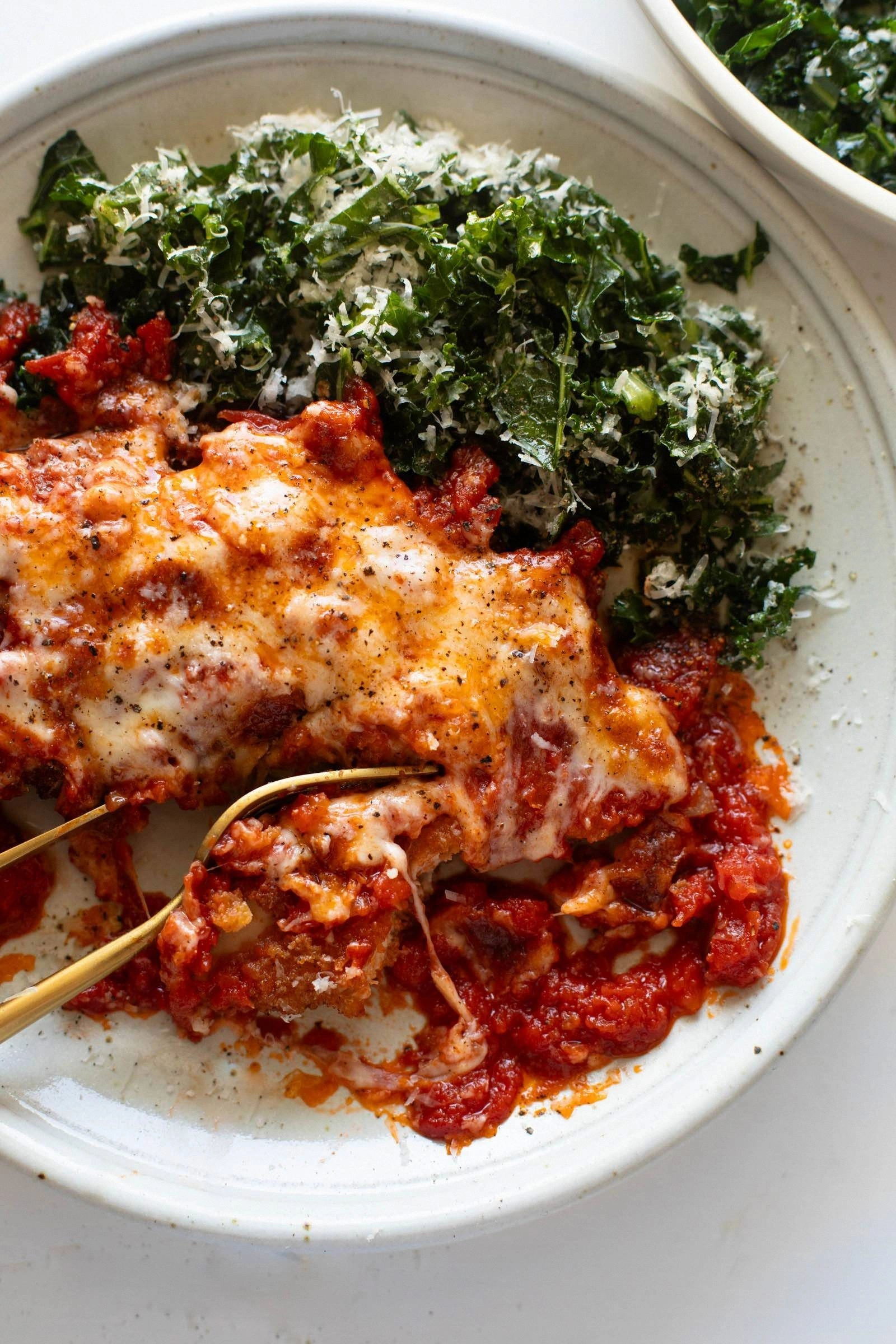
Fast forward an hour later, and the kitchen looked like a battlefield of golden‑brown chicken cutlets, bubbling mozzarella, and a marinara sauce that had thickened to the consistency of velvet. The cheese stretched in slow‑motion ribbons as I lifted the pan, and the crust sang a crisp, crackling song that made my heart skip. I took a bite, and the flavors collided—tangy tomato, buttery richness, a hint of oregano, and that perfectly crisp coating that shattered like thin ice under your teeth. I dare you to taste this and not go back for seconds; it’s practically a culinary dare‑devil’s pact.
What makes this version the “House Favorite” isn’t just the ingredients; it’s the method that turns each component into a star. Most recipes get the breading wrong, ending up soggy or bland. I’ve cracked the code with a three‑step coating that creates a barrier so crisp it locks in juiciness while letting the sauce do its buttery dance on top. I’ll be honest — I ate half the batch before anyone else got to try it, and that’s a confession you’ll understand if you’ve ever been tempted by the smell of a fresh bake.
Now, picture yourself pulling this out of the oven, the whole kitchen smelling like an Italian trattoria on a warm summer night. The golden crust glistens, the cheese bubbles like a sun‑kissed lake, and the sauce pools at the bottom, ready to coat every bite. This isn’t just dinner; it’s a memory in the making, a story you’ll tell at every future gathering. Okay, ready for the game‑changer? Let me walk you through every single step — by the end, you’ll wonder how you ever made it any other way.
What Makes This Version Stand Out
- Texture: The triple‑layer coating creates a crust that crunches like a fresh‑baked baguette while staying tender inside, a contrast that makes each bite an adventure.
- Flavor Depth: A secret splash of white wine in the marinara adds acidity that brightens the sauce, making the cheese melt into a silky, buttery river.
- Simplicity: You only need nine pantry staples and two fresh herbs—no fancy gadgets, just a skillet and a good oven.
- Uniqueness: I fold a pinch of smoked paprika into the breadcrumb mix, giving the dish a subtle smoky whisper that most chicken parms lack.
- Crowd Reaction: Guests often claim this is the best chicken parm they’ve ever tasted, and they’re not shy about asking for the recipe.
- Ingredient Quality: Using fresh mozzarella and a high‑quality Parmesan elevates the dish from “comfort food” to “comfort masterpiece.”
- Cooking Method: The pan‑sear‑then‑bake technique locks in juices and ensures the cheese browns evenly without burning.
- Make‑Ahead Potential: You can assemble the dish up to a day ahead, refrigerate, and finish baking when you’re ready to eat, making it perfect for busy weeknights.
Alright, let's break down exactly what goes into this masterpiece...
Inside the Ingredient List
The Flavor Base
Marinara Sauce (2 cups): This isn’t any store‑bought sauce; it’s simmered with crushed tomatoes, garlic, and a splash of white wine that adds a bright acidity. Skipping the wine makes the sauce taste flat, so don’t be shy. If you’re out of wine, a teaspoon of balsamic vinegar works as a substitute.
Garlic (2 cloves, minced): Fresh garlic gives the sauce a pungent backbone that cuts through the richness of the cheese. Using powdered garlic will dull the aroma, so always mince the cloves right before adding them.
Dried Oregano (1 tsp): This herb adds an earthy undertone that balances the sweet tomato notes. Fresh oregano can be used, but it’s much more potent, so halve the amount.
The Texture Crew
All‑Purpose Flour (1 cup): Flour creates the first dry layer that adheres the egg wash, ensuring the breadcrumbs cling. Using cake flour will make the coating too light and cause it to fall off during frying.
Eggs (2 large, beaten): The egg wash is the glue that binds the flour and breadcrumbs together. If you’re avoiding eggs, a mixture of milk and a splash of mustard works surprisingly well.
Italian‑Seasoned Breadcrumbs (1 cup): The breadcrumbs give that golden crunch. For a gluten‑free version, swap with panko made from rice flour or a blend of crushed cornflakes.
Smoked Paprika (a pinch): This secret addition adds a whisper of smokiness, turning a regular crust into something unforgettable. Omit it, and you’ll lose that subtle depth.
The Unexpected Star
Parmesan Cheese (½ cup, grated): Parmesan adds a salty, nutty finish to the breadcrumb mix, creating a flavor bridge between the sauce and the mozzarella. Skipping it makes the crust taste one‑dimensional.
Fresh Mozzarella (1 cup, shredded): This cheese melts into a gooey river that pools over the chicken, delivering that iconic stretch. Low‑moisture mozzarella will dry out the dish, so opt for fresh.
The Final Flourish
Olive Oil (2 tbsp) & Butter (2 tbsp): The combo gives the pan‑sear a rich, buttery flavor while preventing the oil from smoking. Using only oil can result in a greasy crust; only butter will burn quickly.
Salt & Pepper (to taste): Simple seasoning that amplifies every other flavor. Don’t be stingy—under‑seasoning is the silent killer of good chicken parm.
Everything's prepped? Good. Let's get into the real action...
The Method — Step by Step
Start by pounding the chicken breasts to an even ½‑inch thickness. This ensures uniform cooking and prevents one side from staying raw while the other overcooks. Season each piece generously with salt and pepper, then set them aside on a plate. That sizzle when it hits the pan? Absolute perfection.
Set up a three‑station breading line: a shallow bowl of flour, a bowl of beaten eggs, and a third bowl mixing breadcrumbs, grated Parmesan, and that pinch of smoked paprika. Dip each chicken piece first in flour, shaking off excess, then in the egg wash, and finally coat it in the breadcrumb mixture, pressing gently to make sure it adheres. Kitchen Hack: Let the coated chicken rest on a wire rack for 10 minutes; this dries the surface for a crunchier crust.
Heat a large skillet over medium‑high heat, adding olive oil and butter. When the butter foams and the oil shimmers, it’s time to add the chicken. Lay the pieces down without crowding; you want each piece to have its own space to develop a golden crust. Cook for about 3‑4 minutes per side, watching for the edges to start pulling away from the pan—signs of a perfect sear.
Watch Out: If the heat is too high, the breadcrumbs will burn before the chicken cooks through. Keep the temperature steady; a medium‑high setting gives you that amber‑gold color without the bitter bite.
While the chicken sears, bring the marinara sauce to a gentle simmer in a saucepan. Add the minced garlic and let it soften for a minute, then stir in the white wine and let it reduce by half. This reduction concentrates flavor and adds a subtle acidity that balances the cheese.
Preheat your oven to 425°F (220°C). Once the chicken is golden, transfer the pieces onto a baking sheet lined with parchment. Spoon a generous ladle of the simmered marinara over each cutlet, spreading it to cover the surface. Then sprinkle shredded mozzarella evenly, followed by a light dusting of extra Parmesan for that extra bite.
Slide the sheet into the oven and bake for 12‑15 minutes, or until the cheese is bubbling and the edges are lightly browned. The cheese should melt into a glossy, slightly caramelized top that stretches beautifully when you pull it apart. Kitchen Hack: Place a piece of foil loosely over the top for the first 8 minutes if you worry about over‑browning; remove it for the final minutes to let the cheese brown.
Remove the chicken from the oven and let it rest for 3 minutes. This pause lets the juices redistribute and the cheese set just enough to avoid a gloopy mess on the plate. Garnish with fresh basil leaves for a pop of color and a fragrant finish.
Serve hot, paired with a side of al dente pasta or a crisp green salad. The sauce should coat the pasta like velvet, while the chicken provides a satisfying crunch that shatters like thin ice under each bite. And now the fun part—watch everyone dive in and claim it’s the best chicken parm they’ve ever tasted.
That's it — you did it. But hold on, I've got a few more tricks that'll take this to another level...
Insider Tricks for Flawless Results
The Temperature Rule Nobody Follows
Never start a chicken parm in a cold pan. A hot pan creates an instant sear that locks in juices, while a cold start leads to soggy breading. I always preheat the skillet for at least 2 minutes before adding oil, then test the oil with a breadcrumb—if it sizzles instantly, you’re golden. This tiny step makes a massive difference in texture.
Why Your Nose Knows Best
Your sense of smell is the ultimate timer. When the breadcrumb coating turns a deep golden brown and releases a nutty aroma, that’s your cue to flip. Don’t rely solely on a clock; trust the scent of toasted breadcrumbs. A friend once flipped too early and ended up with a pale, soggy crust—lesson learned.
The 5‑Minute Rest That Changes Everything
Letting the cooked chicken rest for just five minutes before adding sauce and cheese allows the fibers to relax. This prevents the meat from tightening up and squeezing out its juices when you cut into it. The result? A tender, juicy interior that stays moist even after baking.
Butter‑Oil Balance for a Perfect Sear
Combining butter with olive oil raises the smoke point while adding richness. Pure butter burns quickly, and pure oil can lack flavor. The hybrid creates a glossy, flavorful crust without the bitter burnt notes.
Layering Cheese for Maximum Melt
Start with a base of shredded mozzarella for stretch, then finish with a sprinkle of Parmesan for a crisp, caramelized top. The two cheeses complement each other—mozzarella gives that gooey pull, while Parmesan adds a salty snap. Skipping this layering results in a one‑dimensional cheese experience.
These insider tricks turn a good chicken parm into a show‑stopping masterpiece. Keep them in mind next time, and you’ll never look back.
Creative Twists and Variations
This recipe is a playground. Here are some of my favorite ways to switch things up:
Spicy Jalapeño Kick
Add finely diced jalapeños to the breadcrumb mix and a dash of red‑pepper flakes to the marinara. The heat balances the creamy cheese, perfect for those who love a bit of fire. Serve with a cooling cucumber salad to tame the blaze.
Pesto‑Infused Delight
Stir a tablespoon of basil pesto into the marinara sauce before topping the chicken. The herbaceous punch adds depth and a fresh green hue, turning the dish into a summer‑ready masterpiece. Pair with a light lemon‑zest pasta for harmony.
Mushroom‑Lovers Version
Sauté sliced cremini mushrooms with garlic and thyme, then fold them into the sauce. The earthy mushrooms soak up the tomato base, creating a hearty, umami‑rich topping. This variation pairs beautifully with a side of garlic‑smashed potatoes.
Gluten‑Free Crunch
Swap the all‑purpose flour for almond flour and the breadcrumbs for gluten‑free panko. The texture stays crisp, and the almond flour adds a subtle nutty flavor. Just be careful not to over‑batter; almond flour can brown quickly.
Chicken Parm Pizza
Use the seared chicken pieces as toppings on a pre‑baked pizza crust, drizzle with extra marinara, and sprinkle mozzarella and Parmesan. Bake until the cheese bubbles and the crust is golden. This hybrid brings together two comfort classics in one bite.
Herb‑Infused Breadcrumbs
Mix chopped fresh rosemary and thyme into the breadcrumb mixture for an aromatic crust. The herbs release their fragrance as the chicken bakes, creating a perfume that fills the kitchen. This version shines when served with roasted root vegetables.
Storing and Bringing It Back to Life
Fridge Storage
Allow the cooked chicken parm to cool to room temperature (no more than 2 hours), then place each piece in an airtight container. It will keep fresh for up to 3 days. Reheat gently in a 350°F oven for 10‑12 minutes, covering with foil to prevent the cheese from over‑browning.
Freezer Friendly
Wrap each cooled chicken cutlet tightly in plastic wrap, then seal in a freezer‑safe zip bag. They freeze beautifully for up to 2 months. To reheat, thaw overnight in the fridge, then bake at 375°F for 15‑20 minutes, adding a splash of water to the pan to keep the crust from drying out.
Best Reheating Method
For the crispiest comeback, use a preheated skillet on medium heat. Add a drizzle of olive oil, place the chicken cutlet skin‑side down, and cover with a lid for 3 minutes. Then flip, add a splash of water, and cover again for another 2 minutes. The steam revives the crust while the cheese melts back to its original glory.