Ever tried to recreate that restaurant‑quality General Tso’s dish and ended up with a bowl of soggy, bland cauliflower that tasted like it was baked in a cardboard box? I’ve been there—my kitchen smelled like burnt garlic and my taste buds begged for mercy. One rainy Thursday, with a craving that felt like a rebellious teenager, I decided to rewrite the rulebook. I grabbed a head of cauliflower, a splash of soy, a whisper of honey, and a dash of sesame, and I set the kitchen on fire—literally, in the best possible way.
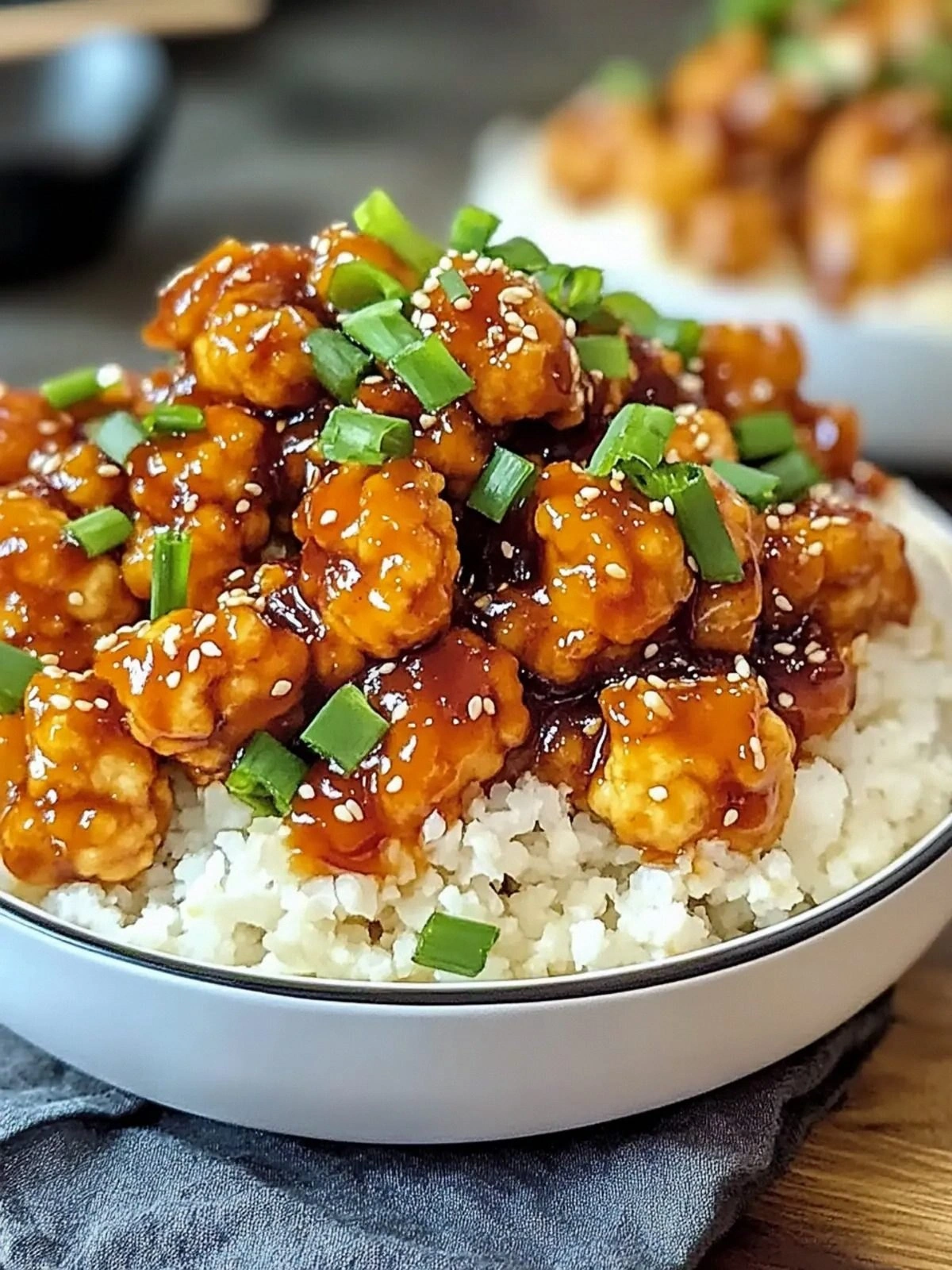
Picture this: the cauliflower florets glistening in a hot pan, their edges crisping into golden shards that crackle like thin ice under your tongue. The sauce, a glossy, velvety concoction of soy, honey, and rice vinegar, coats each bite, sealing in the crunch while delivering a sweet‑spicy punch that dances across your palate. The aroma—roasted garlic, fresh ginger, a hint of toasted sesame—fills the room, turning the kitchen into a fragrant, sizzling theatre.
What makes this version stand out isn’t just the crunch or the glaze; it’s the meticulous layering of flavors and textures that keeps you reaching for more. I dare you to taste this and not go back for seconds—trust me, you’ll find yourself craving the next bowl before you’ve even finished the first. The secret? A humble coating of cornstarch that turns humble cauliflower into a crispy, golden masterpiece, and a sauce that’s thick enough to cling to the florets but light enough to let the vegetable shine.
Let me walk you through every single step—by the end, you’ll wonder how you ever made it any other way. I’ll share the micro‑challenges that will test your patience, the bold claims that will make you a believer, and the confessions that will make you feel less alone in the kitchen. Ready? Let’s dive into the ultimate General Tso’s cauliflower bowl.
What Makes This Version Stand Out
- Flavor: The sauce is a harmonious blend of sweet honey, tangy rice vinegar, and umami soy, balanced by a subtle kick of red pepper flakes. Each bite delivers a layered taste that’s both comforting and adventurous.
- Crispness: The cornstarch coating creates an irresistibly crunchy exterior while preserving the tender interior of the cauliflower. The edges shatter like thin ice, leaving a satisfying crunch that elevates the entire dish.
- Simplicity: With only twelve ingredients, this recipe is a breeze to assemble. No complicated techniques, just a few quick steps and a pan.
- Health‑Friendly: Low in calories yet high in protein and fiber, this bowl satisfies without the guilt. Swap honey for maple syrup or add a splash of lime juice for extra zing.
- Make‑Ahead: The cauliflower can be pre‑baked and the sauce prepared in advance. Reheat quickly, and the dish is ready to serve in minutes.
- Versatile: Serve over steamed rice, quinoa, or a bed of sautéed greens for a complete meal. Add protein like tofu or chicken for a heartier option.
- Kid‑Friendly: The mild heat and sweet glaze make it a hit with even the pickiest eaters.
- Visual Appeal: The vibrant orange florets, glossy sauce, and sprinkle of sesame seeds create a dish that looks as good as it tastes.
Alright, let's break down exactly what goes into this masterpiece...
Inside the Ingredient List
The Flavor Base
The sauce is the heart of this bowl. Soy sauce brings depth and umami, while rice vinegar cuts through the sweetness, adding a bright, citrusy note. Honey or maple syrup provides natural sweetness that caramelizes during cooking, creating a glossy glaze that clings to every floret. A splash of sesame oil adds nutty undertones, while red pepper flakes give a gentle heat that’s just enough to wake up your taste buds.
If you’re watching sodium, you can use low‑sodium soy or tamari, but be prepared to adjust the amount of honey to maintain balance. Skipping the vinegar will result in a syrupy sauce that lacks brightness; you’ll end up with a heavy, cloying glaze that doesn’t complement the cauliflower.
The Texture Crew
Cornstarch is the secret weapon for crispness. When coated on cauliflower, it creates a light, airy shell that crisps up beautifully in hot oil. The cornstarch also thickens the sauce, giving it that silky, clingy quality that coats the florets like velvet.
Vegetable oil is used for high‑heat frying; any neutral oil will do, but grapeseed or canola oil offers a clean taste. The oil should be hot enough to sizzle when the cauliflower hits the pan—if it doesn’t, the florets will absorb oil and become soggy.
The Unexpected Star
Garlic and ginger are the unsung heroes that elevate the dish from ordinary to extraordinary. Fresh garlic brings a punchy, aromatic bite, while ginger adds a bright, peppery warmth. Together, they create a fragrant base that permeates the sauce and the cauliflower.
If you’re sensitive to garlic, you can reduce it to two cloves or use garlic powder for a milder flavor. However, the fresh cloves are essential for the authentic aroma that makes this bowl so irresistible.
The Final Flourish
Green onions and sesame seeds finish the dish with color, crunch, and a burst of freshness. The green onions add a mild onion flavor that balances the sweetness, while the sesame seeds contribute a subtle nutty crunch.
Feel free to add a sprinkle of toasted sesame seeds for an extra layer of texture, or a drizzle of extra sesame oil for a richer finish. If you prefer a lower calorie version, simply reduce the sesame oil to half a teaspoon.
Everything's prepped? Good. Let's get into the real action...
The Method — Step by Step
- Prep the Cauliflower: Cut the cauliflower into bite‑size florets, rinse, and pat dry with a clean towel. Drying is crucial—any excess moisture will prevent the cornstarch coating from crisping properly. Once dry, toss the florets in a bowl of cornstarch, ensuring each piece is evenly coated. The cornstarch should cling to the florets like a fine dusting.
- Heat the Oil: Pour 2 tablespoons of vegetable oil into a large skillet or wok. Heat over medium‑high until the oil shimmers but isn’t smoking. The right temperature is key; if the oil is too cool, the cauliflower will absorb oil and become greasy.
- Fry the Cauliflower: Add the coated florets to the hot oil in a single layer. Don’t overcrowd the pan—crowding reduces temperature and leads to soggy cauliflower. Fry for 3–4 minutes on each side, or until golden and crisp. The edges should look like crisped popcorn, and the florets should feel firm to the touch.
- Remove and Drain: Use a slotted spoon to transfer the cauliflower to a plate lined with paper towels. Let it drain for a minute to remove excess oil. This step ensures the cauliflower stays crisp when you toss it with the sauce.
- Make the Sauce: In a small bowl, whisk together 1/4 cup soy sauce, 2 tablespoons honey (or maple syrup), 1 tablespoon rice vinegar, 1 teaspoon sesame oil, 1 teaspoon ginger (minced), 3 cloves garlic (minced), and a pinch of red pepper flakes. The mixture should be smooth and free of lumps.
- Combine Cauliflower and Sauce: Return the fried cauliflower to the skillet. Pour the sauce over the florets, tossing gently to coat. The sauce should thicken slightly and cling to each floret. Keep the heat on medium to allow the sauce to caramelize without burning.
- Finish with Garnishes: Sprinkle 2 tablespoons of chopped green onions and a handful of sesame seeds over the bowl. If you like an extra kick, add a few more red pepper flakes. Toss once more to distribute the garnishes evenly.
- Serve: Plate the cauliflower on a bed of steamed rice, quinoa, or a simple green salad. Drizzle any remaining sauce over the top. The dish is best served hot, with the sauce still glossy and the cauliflower still crunching.
That's it — you did it. But hold on, I've got a few more tricks that'll take this to another level.
Insider Tricks for Flawless Results
The Temperature Rule Nobody Follows
Many cooks assume any medium heat will do, but the secret to a crisp coating lies in maintaining a steady 350–375°F. Use a kitchen thermometer or test the oil by dropping a small piece of cauliflower; it should sizzle immediately and turn golden within 30 seconds. If it takes longer, increase the heat slightly. This ensures the coating crisps without burning.
Why Your Nose Knows Best
When the sauce starts to thicken and the cauliflower begins to brown, your nose will tell you it’s almost done. The aroma of caramelized honey and toasted sesame is a clear indicator that the glaze has reached the perfect consistency. Trust your senses—taste is the final judge.
The 5‑Minute Rest That Changes Everything
After tossing the cauliflower with the sauce, let the bowl rest for five minutes before serving. This pause allows the flavors to meld and the sauce to thicken slightly, giving each bite a richer, more cohesive taste. It also gives the cauliflower a chance to cool just enough to bite without burning your tongue.
Keep It Crispy with a Quick Ice Bath
If you’re making a large batch, immediately transfer the fried cauliflower to a bowl of ice water for a minute before draining. This stops the cooking process, preserving the crunch. Just remember to dry the florets thoroughly before adding the sauce.
The Secret to a Sticky Sauce
Add a tablespoon of cornstarch to the sauce mixture before tossing with the cauliflower. This small addition helps the sauce cling to the florets, preventing it from sliding off and ensuring every bite is coated in that luscious glaze.
Creative Twists and Variations
This recipe is a playground. Here are some of my favorite ways to switch things up:
Spicy Sriracha Kick
Swap the red pepper flakes for a tablespoon of sriracha sauce. The result is a fiery, smoky heat that pairs beautifully with the honey glaze. Great for those who like a little extra bite.
Miso‑Infused Umami
Add a tablespoon of white miso paste to the sauce for a deeper umami flavor. The miso will also give the glaze a richer, more complex taste, reminiscent of traditional Japanese ramen broth.
Lemon‑Zesty Brightness
Finish the dish with a squeeze of fresh lemon juice and a sprinkle of lemon zest. The citrus brightens the dish, cutting through the sweetness and adding a fresh, vibrant note.
Protein Power
Stir in cubed tofu or chicken breast during the last few minutes of cooking. The protein will absorb the sauce, creating a hearty, balanced meal that’s perfect for dinner parties.
Low‑Carb Twist
Replace the rice vinegar with apple cider vinegar and reduce the honey to 1 tablespoon. Serve over cauliflower rice instead of regular rice for a low‑carb, keto‑friendly version.
Storing and Bringing It Back to Life
Fridge Storage
Cool the bowl completely before placing it in an airtight container. Store in the refrigerator for up to 3 days. The cauliflower may lose a bit of crispness, but the sauce remains flavorful.
Freezer Friendly
For longer storage, freeze the bowl in a freezer‑safe container for up to 2 weeks. Reheat in a skillet over medium heat, adding a splash of water to keep the cauliflower from drying out.
Best Reheating Method
Heat in a non‑stick skillet over medium heat, stirring occasionally. Add a teaspoon of water or a splash of soy sauce to create steam, which helps restore the sauce’s glaze. Finish with a quick sprinkle of green onions for freshness.