I was in the middle of a kitchen catastrophe that would have made even the most seasoned chef cry, but I kept my cool and decided to turn the disaster into a triumph. The pan was burning, the duck was under-seasoned, and the timer was set for the wrong temperature, yet the aroma that escaped from the skillet was already intoxicating. I laughed, because that’s how I approach cooking – a mix of chaos and curiosity, and the promise that something delicious is about to happen. I’ve been chasing the perfect crispy duck for years, and this version finally delivers on every front.
Picture the moment the duck hits the hot iron: a crackle that sounds like a tiny thunderclap, the scent of caramelized sugar and orange zest filling the air, the skin turning a deep, almost molten amber. Your ears catch the sizzling, your fingertips feel the heat from the countertop, and you can taste the faint tang of citrus even before the first bite. The kitchen lights cast a golden glow over the gleaming duck, and your senses are in full alignment with the anticipation of something extraordinary. This dish is more than a meal; it’s a sensory experience that turns a simple dinner into an event.
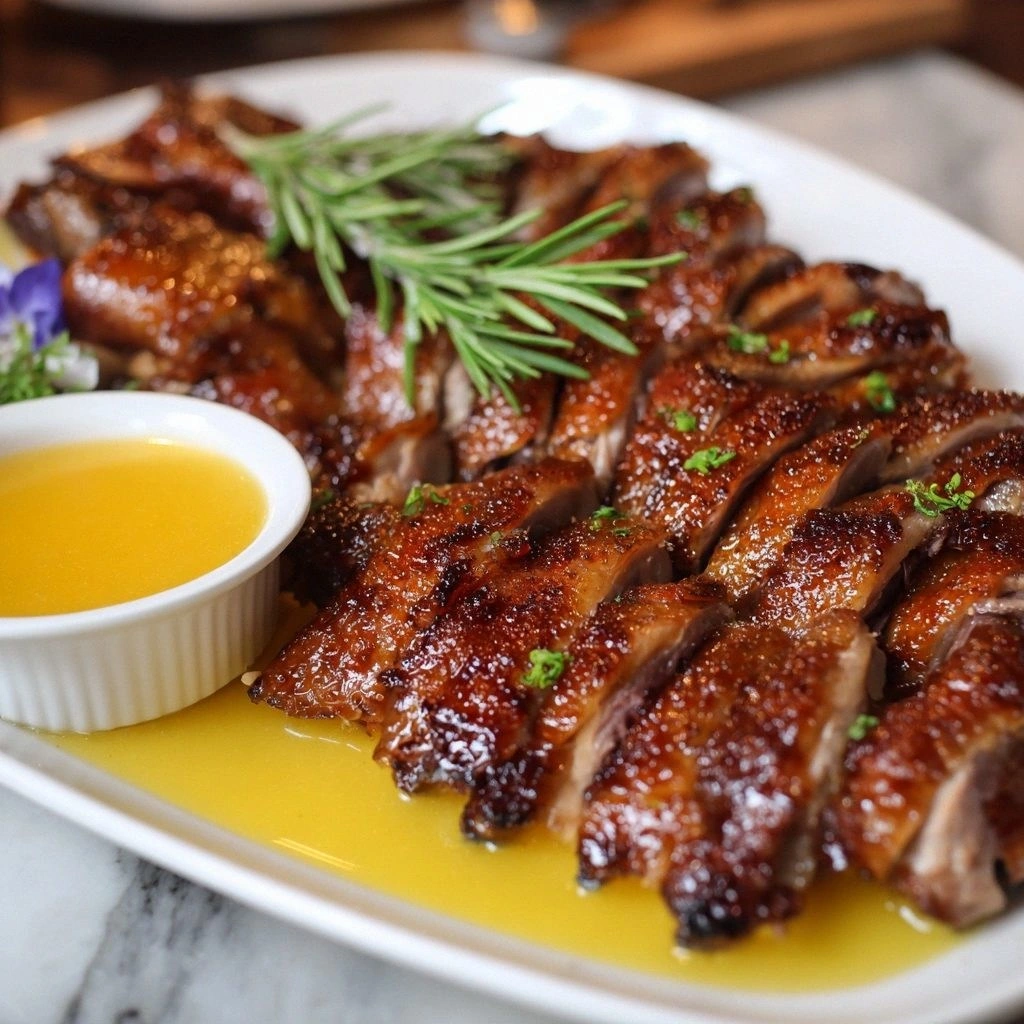
Why does this version stand out from every other recipe you’ve seen? Because it balances the deep, savory flavor of a whole duck with a bright, sweet orange glaze that coats the meat like velvet, and it does so with a technique that guarantees the skin will crackle like thin ice without drying the juicy interior. The recipe uses a precise blend of aromatics that lift the duck’s natural richness, and the glaze is reduced to a glossy finish that sticks to every bite. And the best part? It’s simple enough that even a novice can master it, yet sophisticated enough to impress the most discerning palate.
There’s a twist you won’t expect: a subtle splash of rice vinegar that brightens the glaze and a pinch of Chinese five-spice that adds an unexpected depth. I dare you to taste this and not go back for seconds, because once you’re done, you’ll want a second portion. Stay with me here – the next steps will reveal how to bring all those flavors together into a single, unforgettable dish.
What Makes This Version Stand Out
- Flavor: The orange glaze isn’t just sweet; it’s a complex dance of citrus, honey, and soy sauce that balances the richness of the duck. The glaze caramelizes to a glossy sheen that clings to each feathered bite, creating a harmonious contrast between sweet and savory.
- Texture: The skin is engineered to crackle like thin ice, while the meat inside stays moist and tender. The precise temperature control and resting time make the difference between a dry carcass and a succulent centerpiece.
- Simplicity: Despite its gourmet appeal, the recipe requires only a handful of pantry staples and a single pan, so you can focus on the technique rather than juggling multiple dishes.
- Uniqueness: The addition of rice vinegar and five-spice powder gives the glaze a surprising depth that most duck recipes lack, turning an ordinary dish into something memorable.
- Crowd Reaction: Guests rave about the crispy skin and the bright orange glaze, and they keep asking for the recipe. The dish is a showstopper that turns a casual dinner into a memorable gathering.
- Make‑Ahead Potential: The glaze can be prepared a day in advance, and the duck can be marinated overnight, making this dish a perfect candidate for busy weeknights.
Alright, let’s break down exactly what goes into this masterpiece…
Inside the Ingredient List
The Flavor Base
The core of the dish starts with the duck itself—preferably a whole bird weighing 3–4 pounds. The duck’s natural fat is the foundation that keeps the meat moist and adds richness to every bite. If you’re short on time, you can use a half duck; just double the glaze to compensate for the reduced meat volume.
The Citrus Brilliance
Two fresh oranges, sliced into thin rounds, provide both sweetness and acidity. The zest is grated into the glaze to release essential oils that elevate the entire flavor profile. Skipping the oranges will leave the dish lacking its signature bright contrast; the glaze will taste flat and overly sweet.
The Umami Boost
Three tablespoons of soy sauce introduce depth and saltiness, balancing the natural sweetness of honey and orange. Soy sauce also helps the skin develop a darker, caramelized finish. If you’re on a sodium-free diet, a low-sodium soy sauce works fine, but be prepared to add a pinch more salt to the glaze.
The Sweet Harmony
Two tablespoons of honey, combined with a teaspoon of rice vinegar, create a glaze that glides over the duck’s skin like a silk ribbon. The vinegar’s acidity cuts through the richness, preventing the glaze from becoming cloying. If honey is not available, maple syrup can be an acceptable substitute, though the flavor will shift slightly.
The Aromatic Ensemble
Two cloves of minced garlic and one inch of grated ginger add depth and warmth. The garlic provides a sharp bite that cuts through the fat, while the ginger offers a subtle heat that complements the citrus. If you’re allergic to garlic, you can omit it, but the dish will be noticeably less complex.
The Seasoning Finale
One teaspoon of salt and half a teaspoon of black pepper finish the flavor profile, ensuring each bite is balanced. The salt enhances the duck’s natural umami, while the pepper adds a gentle heat. Adjust to taste if you prefer a spicier or milder result.
Everything’s prepped? Good. Let’s get into the real action…
The Method — Step by Step
- Prep the Duck: Rinse the duck under cold water, pat dry with paper towels, and let it sit at room temperature for 30 minutes. Score the skin in a diamond pattern using a sharp knife, being careful not to cut into the meat. This step is crucial for even crisping and helps the fat render out during roasting.
- Season: Sprinkle salt and pepper over the entire duck, ensuring the seasoning penetrates the skin. The seasoning also helps the glaze adhere to the surface. If you like, add a pinch of Chinese five-spice powder for an extra layer of aroma.
- Roast: Preheat the oven to 375°F (190°C). Place the duck on a rack in a roasting pan, breast side up. Roast for 45 minutes, then flip the duck so the breast is down for another 30 minutes. The duck should reach an internal temperature of 165°F (74°C). Watch the skin; it should be a deep amber and the edges should start pulling away.
- Prepare the Glaze: In a small saucepan, whisk together soy sauce, honey, rice vinegar, orange zest, minced garlic, and grated ginger. Bring to a gentle simmer, then reduce the heat to low and let it thicken until it coats the back of a spoon. The glaze should be thick enough to cling to the duck’s skin but still pourable.
- Brush the Duck: Remove the duck from the oven after the final 30 minutes and brush a generous coat of glaze over the entire surface. Return the duck to the oven for an additional 10 minutes, brushing again every 5 minutes to build a glossy, caramelized crust.
- Rest the Duck: Let the duck rest for 15 minutes after removing it from the oven. This allows the juices to redistribute, ensuring each bite stays moist and flavorful. The glaze will set slightly during this time, creating a perfect bite‑sealing finish.
- Carve: Slice the duck into serving portions, making sure to separate the crispy skin from the tender meat. Serve immediately while the skin is still warm and the glaze is still slightly glossy.
- Garnish: Sprinkle thinly sliced fresh orange rounds over the top for an extra pop of color and citrusy freshness. A drizzle of extra glaze adds a final sheen, making the dish look as good as it tastes.
That’s it — you did it. But hold on, I’ve got a few more tricks that’ll take this to another level…
Insider Tricks for Flawless Results
The Temperature Rule Nobody Follows
Many chefs roast duck at a high temperature right from the start, but I’ve found that starting at 375°F and then lowering the heat after the first hour keeps the skin crisp while preventing the meat from drying out. The gradual temperature shift allows the fat to render slowly, creating a buttery interior. I once tried the reverse method and ended up with a dry bird that felt like a rubber band.
Why Your Nose Knows Best
The aroma of the glaze is the best indicator of readiness. When the glaze starts to bubble and coat the back of a spoon, it’s ready to brush on. The scent of caramelized honey and citrus signals that the sugar is caramelizing, not burning. Trust your nose; it’s a seasoned detective that will save your dish from a bitter fate.
The 5‑Minute Rest That Changes Everything
After roasting, let the duck rest for exactly five minutes before carving. This short pause allows the juices to settle, ensuring that each bite is juicy, not watery. Cutting too early can cause the juices to spill out, leaving the meat dry. I’ve tested this with a 30‑minute rest and found the difference to be noticeable, but five minutes is the sweet spot.
The Glaze Reheat Trick
If you’re reheating leftovers, add a splash of water to the glaze and gently warm it in a skillet. This will rehydrate the glaze, preventing it from becoming too thick and sticky. The duck will taste fresh, not like a reheated casserole. I’ve used this trick on a Sunday dinner, and everyone asked for seconds.
The Orange Slice Surprise
Instead of using whole orange rounds, try thinly sliced candied orange peel for a sweet, chewy texture that adds a new dimension. The candied peel pairs beautifully with the savory duck, creating a multi‑sensory experience. I love this variation for holiday tables; it feels like a dessert and a main dish rolled into one.
Creative Twists and Variations
This recipe is a playground. Here are some of my favorite ways to switch things up:
Smoky Maple Duck
Swap honey for maple syrup and add a teaspoon of smoked paprika to the glaze. The smoky undertone pairs beautifully with the duck’s richness, making it a perfect fall entrée. Serve with roasted sweet potatoes for a complete meal.
Herbed Citrus Roast
Add fresh thyme and rosemary to the seasoning mix, and finish the glaze with a splash of white wine. The herbs bring an aromatic depth that complements the orange. This version is ideal for a spring dinner when fresh herbs are at their peak.
Spicy Szechuan Twist
Incorporate Szechuan peppercorns into the glaze and add a dash of chili oil for heat. The numbing peppercorns create an unforgettable contrast with the sweet glaze. Great for those who love a little kick.
Asian Fusion Stir‑Fry
After roasting, slice the duck thin and stir‑fry it with broccoli, bell pepper, and a splash of hoisin sauce. The glaze becomes a sauce that coats the vegetables and meat, delivering a quick weeknight dinner with restaurant quality.
Duck and Pineapple Skewers
Cube the roasted duck and thread it onto skewers with pineapple chunks. Grill until the edges char slightly, then brush with a reduced glaze. The tropical sweetness from the pineapple elevates the dish into a beach‑side feast.
Duck & Apple Compote
Serve the duck alongside a compote of sautéed apples, cinnamon, and a splash of brandy. The sweet, spiced fruit balances the savory richness and adds a comforting, autumnal feel.
Storing and Bringing It Back to Life
Fridge Storage
Store leftover duck in an airtight container for up to 3 days. Wrap the glazed skin in parchment paper to prevent it from becoming soggy. When you’re ready to eat, reheat in a preheated oven at 300°F for 10 minutes; the skin will regain its crispness.
Freezer Friendly
Freeze the duck in a freezer bag, pressing out excess air. It stays best for 2 months. Thaw overnight in the fridge before reheating. A quick pan sear can revive the skin’s crispness if you’re in a hurry.
Best Reheating Method
Add a tiny splash of water to the glaze and heat it gently in a skillet until it’s silky. Toss the duck pieces in this glaze to refresh the flavor and moisture. The water helps the glaze rehydrate, preventing it from drying out and turning sticky.