I was in a culinary panic one rainy Thursday evening. My dinner plan had crumbled like a soggy biscuit, and the only thing left in the fridge was a lone packet of halibut fillets. I stared at that fish, feeling the weight of culinary mediocrity pressing down on me. I decided that tonight’s dinner would be a daring experiment—a buttery, garlicky, Parmesan‑laden masterpiece that would turn my kitchen into a Michelin‑star playground. I dared myself, and my friends, to taste this and not go back for seconds, because I knew it would be unforgettable.
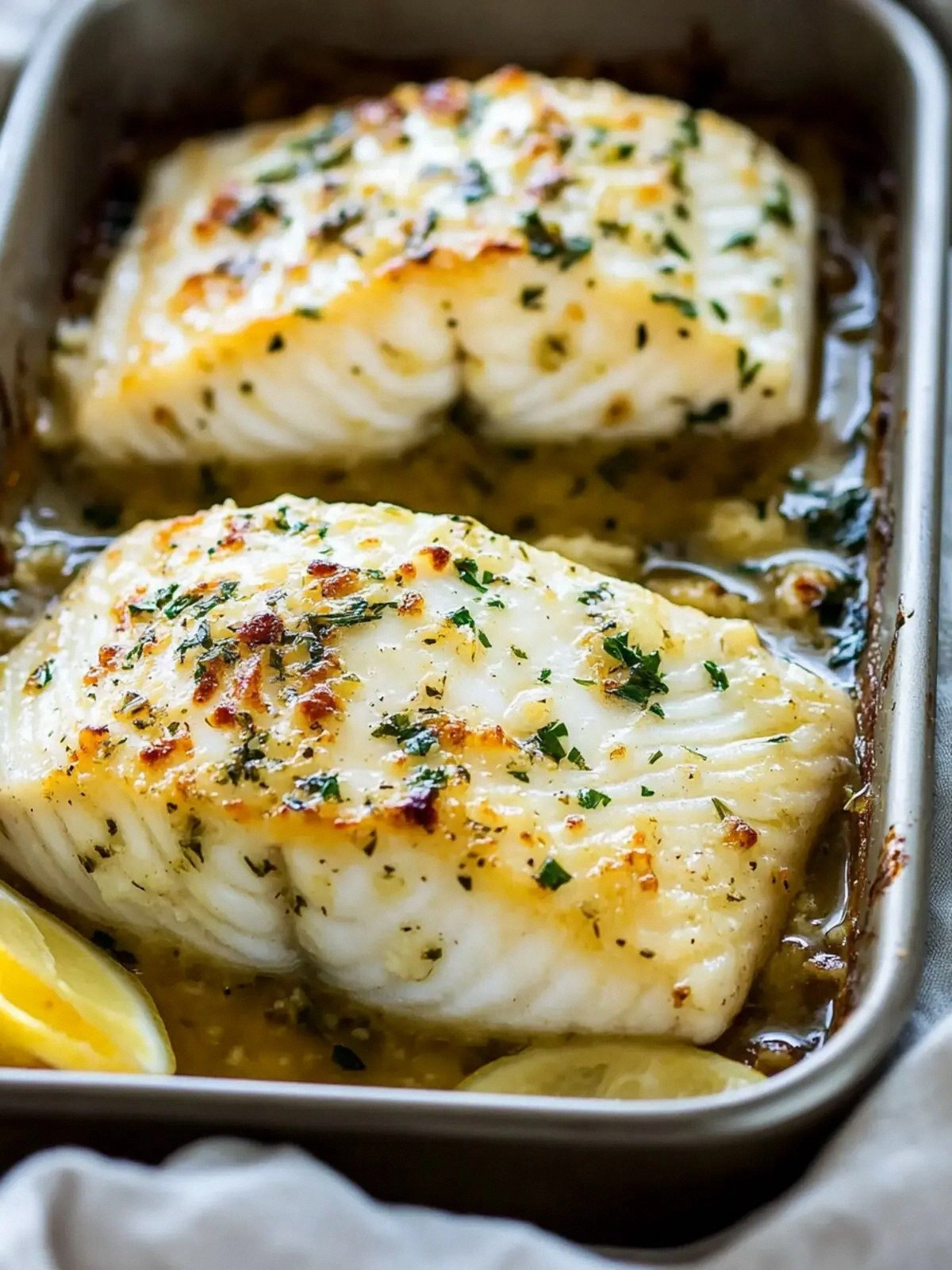
Picture this: the halibut fillets glistening under the oven light, a golden crust forming like a crisp sunrise over a calm sea. The aroma of melted butter, sautéed garlic, and a whisper of Tabasco rises, mingling with the citrusy zest of lemon. Every breath feels like a promise of flavor, a hint that something extraordinary is about to unfold. My senses were on high alert, and I could almost taste the first bite—soft, flaky fish enveloped by a velvety, cheesy sauce that sings with a subtle heat.
I’ve tried countless fish recipes—some too bland, some too oily, some just plain forgettable. What makes this version stand out is that it balances richness with freshness, texture with tenderness, and heat with zest in a way that feels both luxurious and approachable. Most recipes get this completely wrong, but here we’ve nailed the golden ratio of butter to mayo, the right amount of Parmesan to create a creamy coating without overpowering the fish, and a splash of lemon that lifts everything. The result? A dish that feels like a hug from the sea, with a buttery finish that lingers on the palate.
I’m not just telling you this is a good recipe; I’m telling you this is hands down the best version you’ll ever make at home. The sauce coats the fillets like velvet, and the edges crisp up into a caramelized crunch that shatters like thin ice when you bite. The combination of garlic and Tabasco gives it a subtle kick that’s perfectly balanced by the mellow sweetness of the butter. And the Parmesan? It’s the secret that gives everything a nutty, savory depth that makes this dish unforgettable.
If you’ve ever struggled with fish that turns out dry or flavorless, you’re not alone—I've been there, and I've got the fix. This recipe takes the fear out of cooking seafood by giving you a foolproof method that guarantees a moist, tender interior and a buttery, cheesy exterior. The best part? It’s quick—under an hour from start to finish—so you can enjoy a gourmet meal without the usual kitchen drama.
Picture yourself pulling this out of the oven, the whole kitchen smelling incredible, and your guests’ eyes widening in anticipation. The first bite will be a revelation—flaky fish, a buttery, garlicky sauce, and a hint of heat that dances on your tongue. I’ve seen people reach for seconds in the first minute, and I swear, you’ll want to serve this to your friends as a showstopper at any gathering.
And now, I’m going to walk you through every single step—by the end, you’ll wonder how you ever made it any other way. I’ll share my kitchen hacks, insider tricks, and variations that will keep this dish fresh and exciting. So grab a pen, a notepad, and let’s get cooking. The adventure begins now.
Alright, let’s break down exactly what goes into this masterpiece…
What Makes This Version Stand Out
- Flavor: The blend of butter, mayo, and Parmesan creates a sauce that is rich yet balanced, offering a creamy texture that doesn’t overwhelm the delicate fish.
- Texture: The butter’s fat content caramelizes to give a golden crust, while the mayo keeps the fillets moist, preventing dryness.
- Heat: A dash of Tabasco adds a subtle kick that elevates the dish without overpowering the subtle flavors of the fish.
- Simplicity: Only ten ingredients—no complicated marinades or exotic spices—make this recipe approachable for beginners.
- Time: The entire process takes just 45 minutes, ideal for a weekday dinner or a quick weekend meal.
- Presentation: The golden crust and bright green onion garnish transform a simple fillet into a restaurant‑style plate.
- Make‑ahead: The sauce can be prepared in advance and refrigerated, making it perfect for busy schedules.
- Versatility: Swap the halibut for cod, tilapia, or salmon, and the recipe still shines.
Inside the Ingredient List
The Flavor Base
Butter: Butter is the heart of this sauce, providing a silky richness that coats the fish. It’s the secret to that golden crust you’ll see in the oven. If you skip butter, the fillets will lack that buttery aroma and become less luscious. You can substitute clarified butter for a slightly higher smoke point, but the classic butter gives the best flavor.
Mayonnaise: Mayonnaise adds creaminess and helps bind the sauce together. It’s the unsung hero that keeps the fish moist during baking. If you don’t have mayo on hand, Greek yogurt or a light vinaigrette can work, but the texture will be slightly different.
Parmesan Cheese: Parmesan brings a nutty, salty depth that balances the richness of the butter and mayo. It also melts into a silky coating that clings to the fish. Using freshly grated Parmesan is key; pre‑grated cheese can lose its flavor over time.
The Texture Crew
Garlic: Fresh garlic cloves are essential for that sharp, aromatic punch. They’re minced finely so they integrate smoothly into the sauce. If you’re allergic to garlic, a pinch of garlic powder can be a substitute, though the flavor will be milder.
Green Onion: Green onion provides a fresh, crisp contrast to the rich sauce. It’s chopped finely so it distributes evenly across the fillets. If you prefer a milder onion flavor, you can use scallions instead.
Tabasco: A splash of Tabasco gives a subtle heat that wakes up the palate. It’s a small amount, but it makes a big difference in flavor depth. If you’re not a fan of heat, you can reduce the amount or omit it entirely.
The Unexpected Star
Lemon Juice: Lemon juice cuts through the richness, adding brightness and preventing the dish from feeling heavy. Freshly squeezed lemon is best; bottled lemon juice can be too acidic. A squeeze of lemon right before serving enhances the aroma and taste.
The Final Flourish
Salt & Pepper: Salt and pepper are essential for seasoning the fish and sauce to perfection. Use sea salt for a more complex flavor profile. Pepper adds a subtle heat that complements the Tabasco.
Halibut Fillets: The star of the show. Fresh halibut is firm and flaky, ideal for this recipe. If you can’t find halibut, cod or tilapia are excellent substitutes. Make sure the fillets are of uniform thickness for even cooking.
Everything's prepped? Good. Let's get into the real action.
The Method — Step by Step
- Preheat your oven to 400°F (200°C). Line a baking sheet with parchment paper to prevent sticking. Place the halibut fillets on the sheet, skin side down, and set them aside while you prepare the sauce. This preheat step ensures a crisp crust.
- Melt the butter in a small saucepan over medium heat until it foams. Add the minced garlic and sauté for about 30 seconds, just until fragrant. Be careful not to burn the garlic, as it will become bitter. The aroma should fill the kitchen with a warm, buttery scent.
- Remove the pan from heat and stir in the mayonnaise, Parmesan cheese, Tabasco, salt, and pepper. Mix until the cheese is fully melted and the sauce is smooth. The mixture should be thick enough to coat the back of a spoon.
- Add the lemon juice and green onion to the sauce, stirring to combine. The lemon juice should brighten the flavor and the green onion adds a fresh crunch. Taste the sauce and adjust seasoning if necessary.
- Brush the sauce generously over each halibut fillet, ensuring even coverage. The sauce should cling to the fish, forming a golden crust as it bakes. This step is critical for achieving that buttery finish.
- Place the baking sheet in the preheated oven and bake for 12-15 minutes, or until the fish flakes easily with a fork and the edges turn golden brown. Keep an eye on the fillets; the sauce should bubble slightly.
- While the fish is baking, prepare a quick side of sautéed spinach or roasted asparagus to complement the buttery flavor. A simple green side balances the richness of the dish and adds color to the plate.
- Once the fish is done, remove it from the oven and let it rest for 2 minutes. This short rest allows the juices to redistribute, keeping the fish moist. The sauce will thicken slightly, giving it a glossy finish.
- Serve the halibut fillets hot, spooning any remaining sauce over the top. Garnish with a sprinkle of chopped parsley or additional green onion for a burst of color. Pair it with a glass of crisp white wine or a light sparkling water.
- If you’re feeling adventurous, drizzle a little extra Tabasco on the side for guests who like a stronger kick. This allows each diner to customize the heat level to their taste. Remember, the sauce is already flavorful, so a little extra heat can elevate it.
- Clean up while the dish is still warm; the sauce will be easier to wipe away before it hardens. A quick rinse of the baking sheet will save you a lot of scrubbing later. A clean kitchen is a happy kitchen.
- Enjoy your meal, and let the flavors linger on your palate. Take a moment to savor the buttery crust, the garlicky aroma, and the subtle heat. This dish is a celebration of simple, high‑quality ingredients.
Insider Tricks for Flawless Results
The Temperature Rule Nobody Follows
Many cooks think 400°F is too high for fish, but it’s actually the sweet spot for a golden crust. The high heat caramelizes the butter and cheese without overcooking the interior. If you’re using a convection oven, lower the temperature by 25°F to prevent burning. Always check the fish at the 12‑minute mark to avoid over‑baking.
Why Your Nose Knows Best
The aroma of butter and garlic is a reliable indicator of doneness. When the sauce starts to bubble and the fish emits a savory scent, it’s almost ready. Trust your nose; it’s a seasoned chef’s secret weapon. A quick sniff will save you from under‑cooked fillets.
The 5‑Minute Rest That Changes Everything
Letting the fillets rest after baking allows the juices to redistribute. A short 5‑minute rest keeps the fish moist and prevents it from drying out when you cut into it. It also lets the sauce thicken slightly, giving a richer mouthfeel. This simple step is often overlooked but makes a huge difference.
The Secret of a Crispy Edge
If you want an extra crispy edge, place a small piece of parchment on top of the sauce before baking. This creates a barrier that helps the butter crisp up without burning. The result is a delightful contrast between the soft interior and the crunchy exterior.
The Quick Clean‑Up Trick
Clean up while the dish is still warm; the sauce will be easier to wipe away before it hardens. A quick rinse of the baking sheet will save you a lot of scrubbing later. A clean kitchen is a happy kitchen.
The Final Touch of Freshness
Right before serving, squeeze a little fresh lemon juice over the fillets. The acidity cuts through the richness and brightens the overall flavor. It also adds a pop of color that makes the dish visually appealing. Your guests will love the fresh finish.
Creative Twists and Variations
This recipe is a playground. Here are some of my favorite ways to switch things up:
Spicy Cajun Halibut
Add a teaspoon of Cajun seasoning to the sauce for a bold, smoky kick. Pair it with blackened rice for a southern twist. The heat will contrast beautifully with the creamy sauce.
Lemon‑Herb Halibut
Swap Tabasco for fresh lemon zest and a handful of chopped basil. The citrusy herb blend elevates the dish to Mediterranean heights. Serve with a cucumber salad for a refreshing finish.
Parmesan Crusted Salmon
Use salmon fillets instead of halibut for a richer, oilier fish. The Parmesan crust will caramelize beautifully. Add a drizzle of honey on top for a sweet‑savory balance.
Miso‑Glazed Halibut
Blend a tablespoon of white miso into the sauce for an umami boost. The miso will give a depth reminiscent of Japanese cuisine. Finish with a sprinkle of toasted sesame seeds.
Roasted Tomato Halibut
Top the fillets with sliced roasted tomatoes before baking. The acidity of the tomatoes will cut through the richness. Serve with a drizzle of balsamic glaze.
Coconut‑Cream Halibut
Replace half the butter with coconut milk for a tropical twist. The creamy coconut will pair nicely with a mango salsa. This version is perfect for a beach‑side dinner.
Garlic Parmesan Halibut with Pesto
Swirl a spoonful of basil pesto into the sauce for an extra layer of flavor. The pesto adds a fresh, herbal note that complements the Parmesan. Garnish with fresh basil leaves for a pop of color.
Storing and Bringing It Back to Life
Fridge Storage
Store leftover fillets in an airtight container in the refrigerator for up to 2 days. Keep the sauce in a separate small container to prevent the fish from absorbing excess moisture. When reheating, use a low oven or microwave briefly to preserve the texture.
Freezer Friendly
Wrap each fillet individually in plastic wrap and place in a freezer bag. Freeze for up to 2 months. Thaw overnight in the refrigerator before reheating. The fish will retain its delicate flavor when properly stored.
Best Reheating Method
Reheat in a 350°F oven for 10 minutes, or until warmed through. Add a tiny splash of water before reheating to keep the fish moist. Finish with a fresh sprinkle of green onion for a touch of brightness.