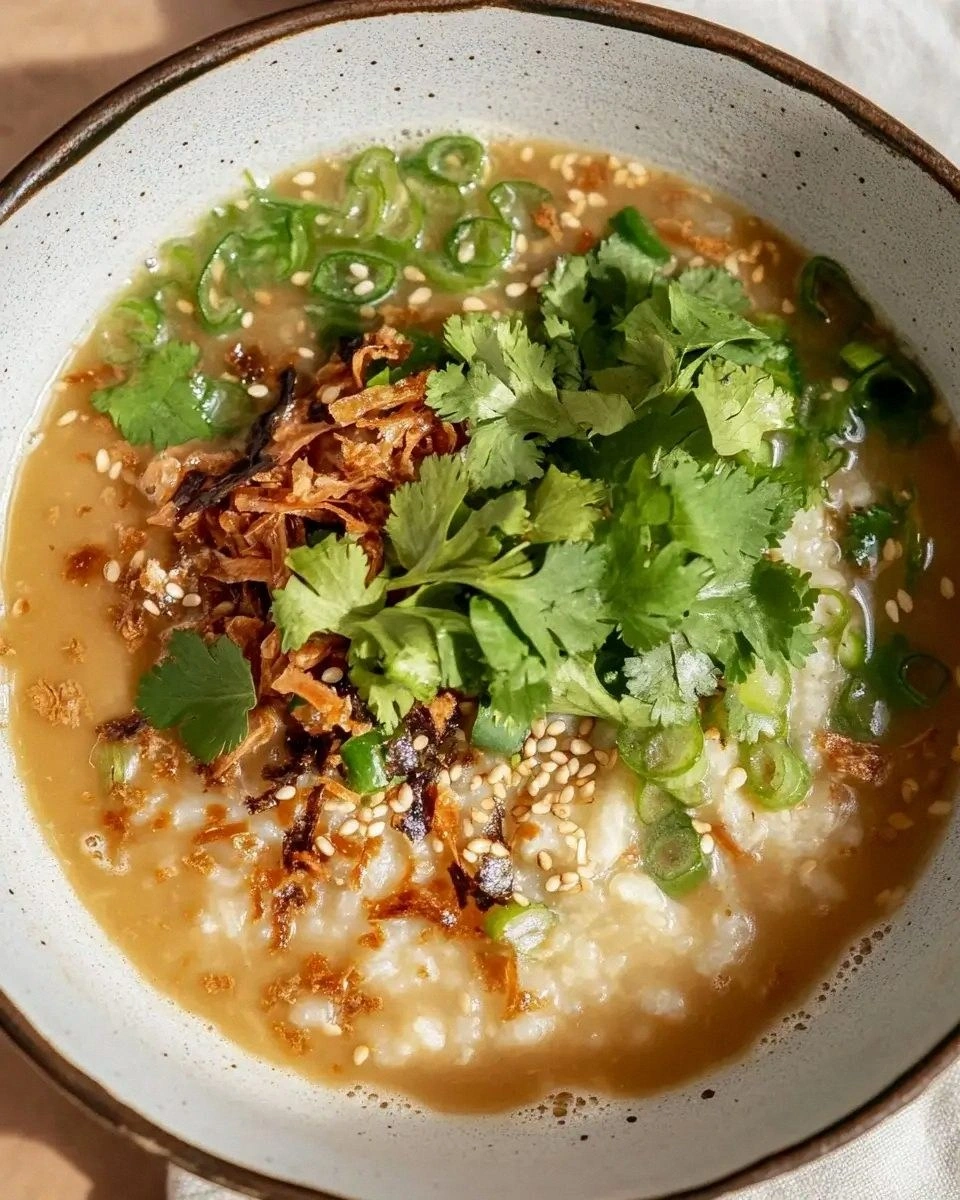
Picture this: a rainy Tuesday, the kind where the sky looks like it’s been overcooked on a grill, and you’re stuck in a tiny apartment kitchen that smells like last night’s takeout and a hint of desperation. I was rummaging through my pantry, trying to convince myself that a bowl of cereal could solve my cravings, when my roommate shouted, “You have to try the ginger miso soup I made last week!” I rolled my eyes, but the moment that phrase hit my ears, a tiny spark ignited—an invitation to a flavor adventure I couldn’t refuse. I dared myself to make the soup from scratch, and let me tell you, the result was nothing short of a culinary revelation.
The first thing that hit me was the aroma—a deep, earthy perfume that wrapped around the room like a warm blanket. The ginger sang a bright, peppery note, while the miso added that salty umami depth you usually only get from a slow‑cooked broth. The sound of the vegetables hitting the hot oil was a satisfying sizzle, like a tiny fireworks display in my pan. When I finally ladled the soup into a bowl, the steam rose in delicate ribbons, carrying whispers of sesame and soy that made my mouth water before the first spoon even touched my lips. The texture was a perfect balance: silky broth, tender carrots, crisp bok choy, and tofu that held its shape like a little cloud of protein.
What makes this version stand out is that it doesn’t rely on a dozen obscure ingredients or a three‑hour simmer. Most recipes get the balance of ginger and miso completely wrong, either drowning the soup in bitterness or leaving it tasting like plain water. I discovered that the secret lies in a quick sauté of aromatics followed by a gentle whisk of miso at the very end, preserving its delicate flavor while still giving the broth a robust backbone. I’m also throwing in a dash of sesame oil right before serving, which adds a nutty richness that feels like a finishing coat of glossy lacquer on a masterpiece. If you’ve ever struggled with a bland broth, you’re not alone—and I’ve got the fix.
And now for the kicker: I’m going to reveal a technique that most home cooks never think to use—finely grating fresh ginger instead of mincing it. This tiny change releases more essential oils, turning the ginger from a background player into a starring, aromatic powerhouse that dances across your palate. I dare you to taste this and not go back for seconds. Let me walk you through every single step — by the end, you’ll wonder how you ever made it any other way.
What Makes This Version Stand Out
- Taste: The marriage of ginger’s zing and miso’s deep umami creates a flavor profile that’s both bright and comforting, like a sunrise after a long night.
- Texture: A silky broth punctuated by crisp‑tender vegetables and velvety tofu, delivering a mouthfeel that feels luxurious without being heavy.
- Simplicity: Only fourteen ingredients, most of which you probably already have in your fridge or pantry, and a total cook time under an hour.
- Uniqueness: Grated ginger and a late‑stage miso whisk keep the ginger punchy and the miso from turning bitter—a trick most recipes overlook.
- Crowd Reaction: This soup consistently gets rave reviews; guests often ask for the recipe before the first spoonful is even finished.
- Ingredient Quality: Using high‑quality miso and fresh ginger elevates the dish from everyday comfort to something restaurant‑worthy.
- Cooking Method: A quick sauté followed by a gentle simmer preserves nutrients and prevents over‑cooking, keeping everything vibrant.
- Make‑Ahead Potential: The broth can be prepared in advance and reheated, making it perfect for busy weeknights or meal‑prep enthusiasts.
Alright, let's break down exactly what goes into this masterpiece...
Inside the Ingredient List
The Flavor Base
Olive oil (2 tablespoons): This is the silent conductor that carries the aromatics into the broth. It adds a subtle fruitiness that balances the soy and miso later on. If you skip it, you’ll miss that glossy sheen on the vegetables and the gentle “pop” when the onions hit the pan.
Onion (1 medium): The onion provides a natural sweetness once it caramelizes, creating a foundation that tempers the sharp ginger. A sweet onion works best, but yellow or even white will do. If you forget it, the soup can feel flat, like a song missing its bass line.
Garlic (3 cloves): Garlic brings a warm, earthy depth that rounds out the broth. Crushing the cloves before adding them releases more allicin, giving that unmistakable aroma. Skipping garlic is like trying to bake a cake without sugar—possible, but nobody’s happy.
Fresh ginger (1 tablespoon, grated): This is the star of the show. Grating releases volatile oils that give the soup its signature zing. If you can’t find fresh ginger, a high‑quality powdered ginger can work, but you’ll lose that bright, peppery snap.
The Texture Crew
Mushrooms (1 cup, sliced): They add an earthy, meaty texture that makes the soup feel hearty without meat. Choose shiitake or cremini for the best umami boost. If you use button mushrooms, the flavor will be milder, and you might need a splash more soy sauce.
Bok choy (1 cup, chopped): This leafy green brings a crisp‑tender bite that brightens the broth. The white stems stay firm while the leaves wilt delicately, offering a contrast in texture. If bok choy is unavailable, napa cabbage or Swiss chard are solid alternatives.
Carrot (1 medium, thinly sliced): Carrots contribute a subtle sweetness and a pop of color that makes the soup visually inviting. Their natural sugars also help balance the salty miso. You could swap in daikon for a slightly peppery note.
Firm tofu (1 cup, cubed): Tofu soaks up the broth, turning each bite into a juicy burst of flavor. Press the tofu beforehand to remove excess water; this ensures it holds its shape and absorbs more broth. Silken tofu would dissolve into the soup, turning it into a puree—great for a different texture, but not this version.
The Unexpected Star
Miso paste (3 tablespoons): The miso is the umami engine, providing depth and a savory richness that feels like a hug in a bowl. Adding it at the end of cooking preserves its delicate flavors and prevents bitterness. If you prefer a milder taste, use white miso; for a richer profile, red miso works wonders.
Soy sauce (2 tablespoons): Soy sauce adds saltiness and a hint of caramelized flavor. It works in tandem with miso to create a layered savory profile. Low‑sodium soy is a good choice if you’re watching your salt intake.
Sesame oil (1 tablespoon): A drizzle of toasted sesame oil right before serving adds a nutty aroma that elevates the entire dish. It’s the finishing touch that makes the broth feel luxurious.
The Final Flourish
Green onions (2, sliced): These add a fresh, slightly sharp bite that cuts through the richness. Sprinkle them on top just before serving for a burst of color and flavor.
Sesame seeds (1 tablespoon): Toasted sesame seeds give a subtle crunch and a toasty aroma that rounds out the soup’s texture profile. They’re the confetti on this culinary celebration.
Everything's prepped? Good. Let's get into the real action...

The Method — Step by Step
Heat 2 tablespoons of olive oil in a large pot over medium heat. When the oil shimmers, add the diced onion and let it sweat for about 3 minutes, stirring occasionally. You’ll hear a gentle sizzle— that’s the sound of flavor building. Once the onion becomes translucent and starts to turn golden at the edges, add the minced garlic and grated ginger. Cook for another 2 minutes, letting the aromatics mingle and release their fragrant perfume.
Kitchen Hack: If your pan starts to dry out, splash a splash of water or broth; this prevents burning and creates a mini‑steam environment that intensifies the aromatics.Next, pour in 4 cups of vegetable broth and 2 cups of water, stirring to deglaze the pan. As the liquid lifts the caramelized bits from the bottom, you’ll notice a richer color forming—that’s the foundation of your broth. Bring the mixture to a gentle boil, then reduce to a simmer. Add the sliced mushrooms, chopped bok choy, and thinly sliced carrot. Let the vegetables cook for about 7‑8 minutes, or until they’re just tender but still retain a slight bite.
While the vegetables are simmering, cube the firm tofu and set it aside on a paper towel to dry slightly. This step ensures the tofu won’t fall apart when it meets the hot broth. Once the veggies are ready, gently stir in the tofu cubes, allowing them to soak up the broth for another 3 minutes. You’ll see the tofu turn a pale, glossy hue, indicating it’s absorbing the flavors.
Now comes the crucial moment: the miso. In a small bowl, whisk 3 tablespoons of miso paste with a ladleful of hot broth until smooth. This technique prevents clumping and preserves the delicate flavors of the miso. Once fully dissolved, stir the miso mixture back into the pot. Watch out: Do not let the soup boil after adding miso, or you’ll risk a bitter, overcooked taste.
Watch Out: Adding miso to a rolling boil can destroy its probiotic benefits and cause a harsh, salty bite.Season the soup with 2 tablespoons of soy sauce and the tablespoon of sesame oil. Stir gently; you’ll notice the broth turning a richer amber color, and a nutty fragrance will rise, hinting at the final layers of flavor. Taste at this point—if you need a touch more salt, add a splash of soy sauce, but remember the miso already carries a lot of saltiness.
Finish the soup by sprinkling the sliced green onions and toasted sesame seeds over the top. The green onions add a fresh pop, while the sesame seeds provide a subtle crunch. Let the soup sit for a minute, allowing the garnish to soften slightly and release its aroma.
Turn off the heat and cover the pot for a brief 2‑minute rest. This short resting period lets the flavors meld together, creating a harmonious broth that feels cohesive. During this pause, the ginger’s zing mellows just enough to become round rather than sharp.
Serve the soup hot, ladling it into bowls that showcase the vibrant colors of the vegetables and tofu. Pair it with a slice of crusty bread or a simple side of steamed rice if you crave extra carbs. That first spoonful should hit you with a warm, comforting wave—like a cozy blanket on a chilly day.
Kitchen Hack: For an extra silky finish, swirl in a teaspoon of coconut milk just before serving; it adds a subtle creaminess without overpowering the miso.
That's it — you did it. But hold on, I've got a few more tricks that'll take this to another level...
Insider Tricks for Flawless Results
The Temperature Rule Nobody Follows
Never add miso to a boiling pot. The moment you see bubbles, pull the pot off the heat, lower the temperature, then whisk in the miso. This preserves the delicate umami and keeps the broth from turning harsh. I once tried to save time by tossing miso in early, and the soup ended up tasting like a salty soap—lesson learned.
Why Your Nose Knows Best
When sautéing the aromatics, trust your nose more than the clock. If you smell a sweet, caramelized scent, you’re ready to add the broth. If the onions start to brown too quickly, lower the heat. This sensory cue prevents burnt flavors and ensures a balanced base.
The 5‑Minute Rest That Changes Everything
After you finish cooking, let the soup sit covered for five minutes. This short rest allows the ginger and miso to meld, creating a smoother, more integrated flavor. Skipping this step is like serving a cake before it’s cooled—everything feels disjointed.
Tofu Handling Trick
Press the tofu for at least 15 minutes before cubing. This removes excess moisture, letting the tofu absorb broth like a sponge. If you skip pressing, the tofu will float on the surface, barely soaking up any flavor.
Seasonal Veggie Swap
If you’re cooking in summer, add a handful of fresh peas or corn for a sweet pop. In winter, swap the carrot for parsnip or add a dash of roasted sweet potato cubes. These variations keep the soup exciting year after year.
Creative Twists and Variations
This recipe is a playground. Here are some of my favorite ways to switch things up:
Spicy Szechuan Splash
Add 1 teaspoon of Szechuan peppercorn oil and a pinch of red pepper flakes when you stir in the soy sauce. The peppercorn adds a numbing heat that pairs brilliantly with the ginger, turning the soup into a bold, tongue‑tingling experience.
Coconut Curry Fusion
Swap half of the vegetable broth for coconut milk and stir in 1 tablespoon of red curry paste after the aromatics. The coconut adds richness, while the curry paste brings a fragrant, exotic depth. This version is perfect for those who love a Thai twist.
Hearty Noodle Upgrade
Cook a handful of rice noodles or soba in the broth during the last 5 minutes of simmering. The noodles soak up the soup’s flavor, making the dish more filling—ideal for a post‑workout meal.
Umami Boost with Dashi
Replace the water with 2 cups of homemade or store‑bought dashi. This adds an extra layer of Japanese umami, making the broth richer without additional salt.
Veggie‑Only Version
Omit the tofu and increase the mushroom quantity to 2 cups. Add a splash of soy‑based “fish” sauce for depth. This makes the soup entirely plant‑based while still delivering that satisfying mouthfeel.
Garnish Galore
Top the soup with shredded nori, a drizzle of chili oil, or a few slices of fresh jalapeño for a burst of color and an extra flavor punch. Each garnish adds its own personality, letting you customize the bowl to your mood.
Storing and Bringing It Back to Life
Fridge Storage
Transfer the soup to an airtight container and refrigerate for up to 4 days. When reheating, add a splash of water or broth to revive the broth’s silky texture, as it tends to thicken when cold.
Freezer Friendly
This soup freezes beautifully. Portion it into freezer‑safe bags or containers, leaving a little headspace for expansion. Freeze for up to 3 months. Thaw overnight in the fridge, then reheat gently on the stove, stirring in a tablespoon of water to loosen the broth.
Best Reheating Method
Reheat on low to medium heat, stirring frequently to prevent the tofu from breaking apart. Add a tiny splash of water before heating; the steam will bring the broth back to its original silky consistency. Avoid microwaving at high power, as it can create uneven hot spots and toughen the tofu.